As an Amazon Associate, we earn from qualifying purchases. Some links on this site are affiliate links at no extra cost to you. Our recommendations are based on thorough research and editorial judgment.

The Truth About Fabric Softener and Technical Clothing

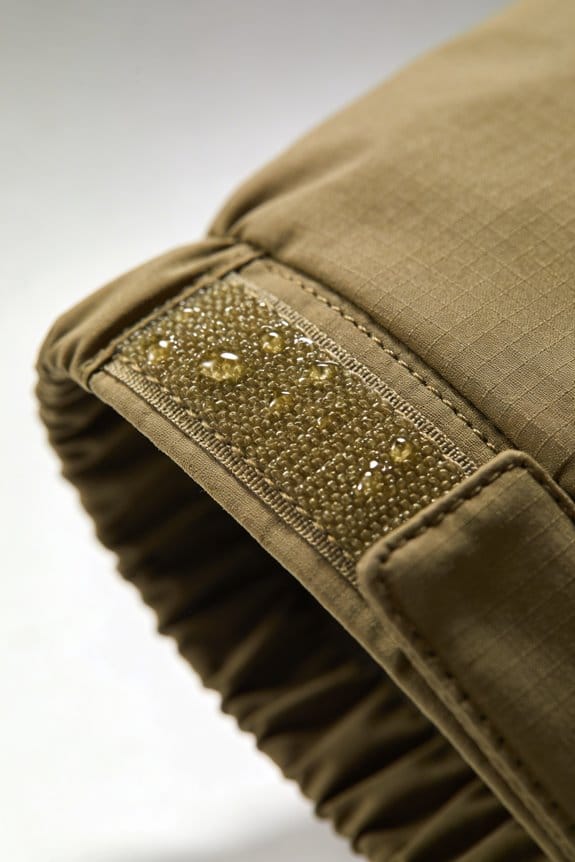
Fabric softeners and technical clothing really don’t mix well at all. If you’ve ever wondered why your favorite workout gear feels less breathable over time, it might be those softeners. They leave behind a waxy layer that clogs the fibers of your clothes, which can really hurt their ability to wick away moisture and let your skin breathe.
No one wants to feel sweaty and uncomfortable in their own gear!
On top of that, it’s worth considering the potential health risks tied to fabric softeners. They often contain chemicals that can lead to respiratory problems or skin allergies. So, what’s a fitness lover to do?
Try this: instead of fabric softener, consider using white vinegar in your wash. It’s a natural alternative that won’t compromise your gear’s performance.
And if you want to keep your clothes fresh and soft, hang drying them out in the open air is a solid move that helps maintain their longevity.
Understanding how to care for your activewear is crucial. You want them to last and work effectively—even after many washes.
So, next time you’re doing laundry, think about the impact fabric softeners might have on your favorite pieces.
By choosing smarter options, you can ensure your gear stays in top shape. What are your go-to laundry tips for keeping activewear fresh?
Key Takeaways
- Fabric softeners create a waxy coating that disrupts moisture-wicking properties in technical fabrics, compromising performance during physical activities.
- The residues left by fabric softeners can diminish the effectiveness of waterproof materials, potentially damaging water-resistant coatings.
- Traditional fabric softeners may pose health risks, triggering respiratory issues and skin allergies due to their chemical ingredients and fragrances.
- Alternatives like white vinegar and wool dryer balls are recommended for maintaining technical apparel without compromising fabric integrity.
- Following specific care guidelines from manufacturers is essential to preserve the breathability and longevity of technical clothing.
Understanding Fabric Softeners and Their Impact on Technical Apparel
Ever wonder why your high-performance gear never seems to perform as well as when you first bought it? A big culprit could be that innocent-looking bottle of fabric softener lurking in your laundry room. While it smells great and makes clothes feel soft, it creates a waxy coating on technical fabrics. This coating seriously gets in the way of the moisture-wicking properties that are so crucial for keeping you cool and comfortable.
If you’re using fabric softeners on your athletic or outdoor gear, listen up. The waxy residue can clog up those tiny pores in synthetic fibers, which can lead to discomfort when you’re trying to break a sweat. You definitely don’t want to compromise breathability, right?
So what should you do instead? Try using regular detergent for all your technical clothing. It gets the job done without leaving that annoying residue that can mess with performance and longevity. Your gear is designed to manage moisture and keep you feeling fresh, so don’t let fabric softeners ruin that.
The truth is, keeping the technical advantages of your gear intact means you can trust it to do its job when you need it most. Think of it this way: do you really want to risk overheating or feeling uncomfortable because of a little bit of softener? Stick with regular detergent, and your gear will thank you. Additionally, many technical garments use waterproof and windproof materials which can be compromised by fabric softeners.
Do you have any laundry tips that keep your activewear performing at its best?
Effects on Performance and Breathability of Technical Fabrics
Have you ever noticed your favorite workout gear feeling kind of off after washing? You’re not alone! Many people don’t realize how fabric softeners mess with technical fabrics, but it’s something worth paying attention to.
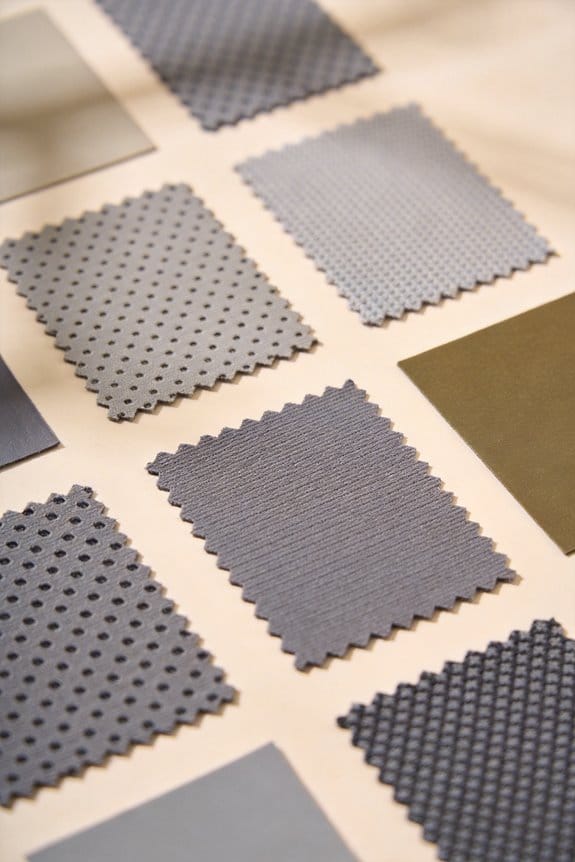
So, here’s the scoop: fabric softeners create a waxy layer that can really hinder moisture-wicking and breathability. This means your breathable fabrics, like microfiber, won’t keep you as dry and comfy, especially during intense workouts. You might end up feeling damp and clammy instead of fresh and cool. Plus, if you’re counting on wicking long underwear to manage sweat, it could fail you when you need it most, which means you’ll be overheating.
And don’t think waterproof materials are off the hook either. They can lose their ability to repel water if you use fabric softeners too. So, how can you make sure your gear stays in top shape?
Try this: always check the manufacturer’s guidelines, especially from brands like Gore-Tex, and skip the fabric softener entirely. That small change can keep your technical clothing performing well, letting you focus on your activities without discomfort.
It’s also important to remember that improper washing can damage water-resistant coatings, reducing the effectiveness of your outerwear.
In short, keeping your gear in good shape is easier than you might think. Next time you do laundry, remember—your fabrics deserve the best care. What do you do to keep your workout clothes performing at their best?
Recommended Products
DESIGNED FOR TECHNICAL & PERFORMANCE FABRICS - Specially formulated for heavily soiled athletic wear, base layers, jerseys, and race suits including Nomex. Ideal for active lifestyles across sports, from training sessions to competition days. Choose right laundry detergent for your lifestyle.
PACKAGE INCLUDES: You will have an exquisite california king size set includes: 1 Flat sheet(108" x 102"), 1 Fitted Sheet(72" x 84"+16"), 2 Pillow Shams(20" x 40"). The depth of the bedsheet is 16 inches, which can effectively secure the mattress.

Keeps gear cleaner and safer by resisting contaminants that can degrade fabric performance
Reasons to Avoid Fabric Softeners in Activewear
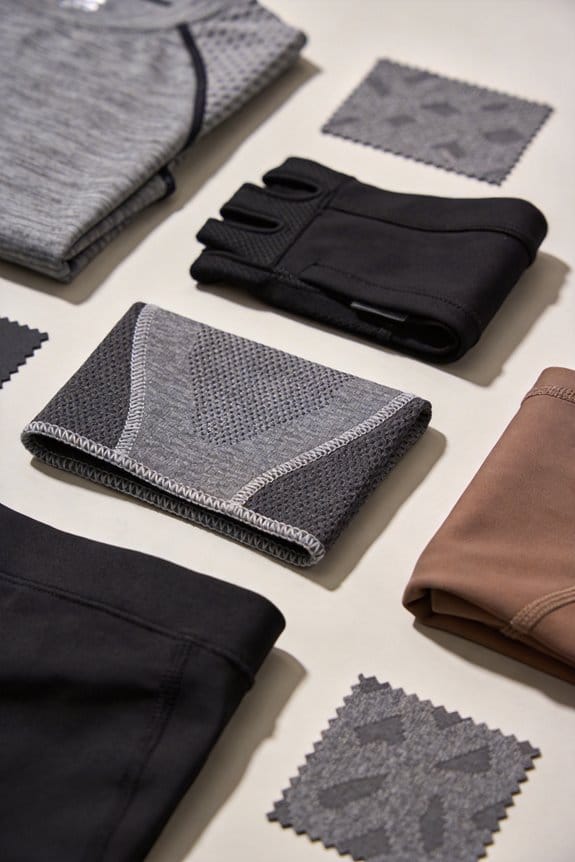
Ever wondered why your favorite workout clothes aren’t performing like they used to? Fabric softeners could be the hidden culprit. Though they seem harmless, using fabric softeners on activewear can seriously mess with its performance.
When you wash your activewear with fabric softeners, they leave behind a waxy residue on those technical fabrics. This coating can seriously impair moisture-wicking properties, making it harder for sweat to evaporate during your workouts. So, instead of staying dry and comfortable, your clothes might end up feeling heavy and cumbersome. It’s no wonder that many activewear brands specifically recommend skipping fabric softeners if you want to preserve the performance of your gear.
Using fabric softeners can also create a buildup that means you’ll need to wash your clothes more often, ultimately shortening the lifespan of your favorite pieces. Think about it—who wants to have to replace workout clothes sooner than necessary?
Instead of fabric softeners, try this: use a mild detergent made for technical fabrics. This way, your clothes will keep doing their job—wicking away moisture and keeping you comfy throughout your workout. Proper care such as avoiding fabric softeners is essential to maintain the moisture-wicking capabilities and longevity of synthetic base layers.
In short, ditch the fabric softeners for your activewear, and watch how much better your clothes perform. Are you ready to give your gear the best chance to keep you comfortable during your next sweat session?
Recommended Products

Size L - Average Height 5'10"-6'1" (178-186cm) - Chest 41"-43" (104-109cm) - Waist 34"-37" (87-94cm)
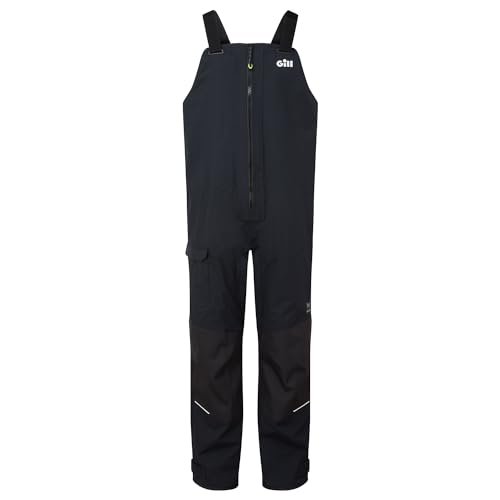
Size XS - Average Height 5'2"-5'4" (158-163cm ) - Chest 34"-36" (87-92cm) - Waist 28" (71cm)

What Health Risks Do Fabric Softeners Pose?
Did you know that your beloved fabric softener could actually be doing more harm than good? Many people don’t realize that the traditional stuff can carry some serious health risks. Ingredients like benzyl acetate and quaternary ammonium compounds are common in these products, and they’ve been linked to respiratory issues and skin allergies.
If you have sensitive skin, you might want to think twice before tossing those dryer sheets into your laundry. These products can trigger allergic reactions or even contact dermatitis. Plus, the chemical fragrances they use can make things worse.
Here’s the kicker: that waxy build-up from fabric softeners can trap dirt, dust, and allergens, making your laundry less friendly for your skin and lungs. And don’t overlook ethanol, a common ingredient that’s not just harmful—it’s hazardous for your central nervous system.
So, why does this matter? With every use, you’re increasing your exposure to these chemicals. Think about the long-term health effects, especially if you or someone in your home has sensitivities.
Instead of reaching for the same old softener, why not try some natural alternatives? You can keep your clothes feeling fresh without the added health risks. It could be time to switch things up for the sake of your health.
In short, fabric softeners may smell nice, but they can be a hidden hazard. Using improper treatments can also degrade waterproof fabrics and reduce their effectiveness.
What do you think? Are you ready to make the change?
Fabric Softeners: Top Alternatives for Technical Clothing Care
When it comes to taking care of your technical clothing, traditional fabric softeners are a big no-go. You might be wondering why that is, right? Fabric softeners can leave behind gunky residues that mess with the special properties of high-tech fabrics. Instead, try this: adding white vinegar during the rinse cycle can help break down detergent leftovers and keep your clothes feeling soft.
Now, for drying your clothes, consider using wool dryer balls. They’re a natural alternative that reduces static and speeds up drying time without leaving nasty residues. Plus, if you’re someone who struggles with odors in your clothes, a blend of baking soda and vinegar can work wonders as a pre-treatment before washing. Just mix ‘em up and treat those stinky spots!
Also, I can’t stress enough how line drying is the way to go for sensitive garments like fleece or long underwear. It helps retain their moisture-wicking abilities and keeps them looking fresh. Honestly, skipping fabric softeners is key to preserving the functionality of these high-tech fabrics—no one wants to deal with the buildup from that waxy residue that hinders breathability.
For ongoing care, choose cleaning methods that preserve fabric breathability and quick-dry capabilities to maintain the performance and comfort of your technical clothing.
Recommended Products

ORGANIC SHEET SET - Keep your clients comfortable and bring good karma to every session with Massage Table 100% Organic Cotton Flannel Sheet Sets by Body Linen.

𝙃𝙞𝙜𝙝𝙡𝙮 𝘾𝙤𝙣𝙘𝙚𝙣𝙧𝙖𝙩𝙚𝙙: This powerful vinegar concentrate is formulated with acetic acid 30, delivering industrial-grade strength in every drop. As a distilled white vinegar solution, it comes in a convenient vinegar gallon size and can be diluted into any concentration for flexible use.

CUSTOM SIZE: You can customized the 4 Piece Sheet Set according to your requirements. Just provide the details asked and we will make the custom size sheet set for you. Your Custom Size Cotton Giza Bedsheet Set includes 1 Customized Fitted Sheet, 1 Customized Flat Sheet and 2 Customized Pillowcases. Fully Elasticized Fitted Sheet Deep Pockets are Generously Sized to accommodate both deep and pillow-top mattresses. Flat sheet and pillowcases come with a tailored hem stitch.
Best Practices for Washing Technical Apparel Without Fabric Softeners
Caring for your technical apparel can feel a bit daunting, especially when you’re trying to keep it in top shape for all your adventures. If you’ve ever wondered why your moisture-wicking gear isn’t performing like it used to, the culprit might just be what’s in your laundry detergent.
It’s a good idea to stick with a regular detergent that doesn’t have any added fragrances or softeners. Why? Fabric softeners can leave behind a waxy residue that interferes with the garment’s ability to wick moisture. This is crucial for those high-performance synthetic fabrics since softeners can clog the fibers and limit airflow, making your gear less breathable.
Check out the care labels on your items too. Brands like Gore-Tex provide specific washing instructions that can guide you in maintaining their products effectively. For example, when it comes to long underwear or fleece jackets, try line drying them. This method is gentle and helps preserve their fit and function. But, if you’re dealing with rainwear, tossing it in the dryer can actually help refresh the durable water-repellent (DWR) coating, which is a nice bonus.
For optimal results, it’s important to understand how waterproof membranes work in your technical clothing to maintain their performance during cleaning.
Recommended Products
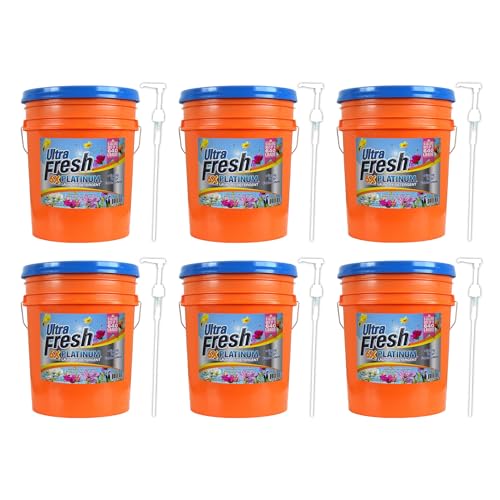
Unrivaled Cleaning Power: Experience the superior cleaning power of this 6-pack of laundry detergent, providing a profound 6X cleaning strength to guarantee your clothes achieve the utmost level of cleanliness and stain removal

Liquid Built Detergent that Breaks Up Tough Stains
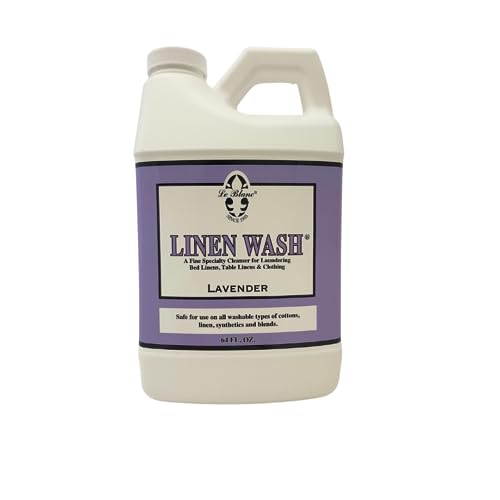
Lavender Fragrance: wild lavender, lily of the valley & warm cedar
Frequently Asked Questions
Is It True You Shouldn’t Use Fabric Softener?
Yes, it’s true—we shouldn’t use fabric softener with technical clothing. It hinders moisture-wicking properties and impacts garment lifespan. Let’s explore eco-friendly alternatives and share user experiences on effective laundry detergent comparisons for performance fabric maintenance.
What Clothes Should You Not Use Fabric Softener On?
We shouldn’t use fabric softener on delicate fabrics, athletic wear, moisture-wicking materials, waterproof garments, fire retardant clothing, microfiber towels, or insulated jackets, as it can hinder their performance and essential protective features.
Why Do Some Clothes Say Don’t Use Fabric Softeners?
Some clothes say don’t use fabric softeners because they can hinder moisture-wicking properties and reduce performance wear effectiveness. Let’s stick to washing tips that enhance garment care and clothing longevity while busting laundry myths together.
What Are the Long Term Effects of Softener?
Over time, we might find softener residue complicating our fabric experience, leading to performance issues like reduced breathability, elasticity loss, odor retention, stain setting, and an overall decline in fabric feel—along with environmental concerns.


