As an Amazon Associate, we earn from qualifying purchases. Some links on this site are affiliate links at no extra cost to you. Our recommendations are based on thorough research and editorial judgment.


Understanding Fabric Pilling: Causes and Prevention

Ever pulled a favorite sweater out of the closet only to find it’s covered in those pesky little fuzz balls? You’re not alone. Fabric pilling is one of those annoying problems that can make even the best-loved clothes look worn out.
It tends to happen more with fabrics like cotton and wool blends because their fibers are shorter. When you wear or wash these clothes, the friction causes the fibers to break and tangle, resulting in those unwanted pills.
So, how can you keep your clothes looking fresh? Here are some practical tips to help you fight back against pilling:
- Wash Inside Out: Turning your clothes inside out before washing can really cut down on friction, which helps prevent pilling.
- Gentle Cycles: Use a gentler washing cycle, especially for delicate fabrics.
- Air Dry: If you can, avoid the dryer. Air drying is much kinder to your clothes and works wonders in reducing wear and tear.
When you’re shopping for new clothes, consider sticking to tightly woven fabrics – they’re less likely to pill.
You might also want to check out synthetic options like nylon; they stand up better against those annoying fuzz balls.
Honestly, dealing with pilling can feel frustrating, but these small changes to how you take care of your clothes can really make a difference.
You’ll be surprised how much longer your favorite items last when you give them a little extra TLC.
Are there other clothing issues you’re dealing with? Let’s share some tips!
Key Takeaways
- Fabric pilling occurs from friction, wear, and washing, especially in loosely woven and short staple fiber fabrics like cotton and wool blends.
- Synthetic fibers tend to pill more than natural ones due to shorter lengths and a tendency to tangle.
- Washing clothes inside out and using gentle cycles can reduce mechanical stress and surface friction, minimizing pilling.
- Air drying and using low heat in dryers help prevent fiber weakening, which reduces the risk of pilling.
- Opt for high-quality, tightly woven fabrics and those with anti-pilling finishes to enhance durability and resistance to pilling.
Understanding Fabric Pilling: What You Need to Know
Ever notice those pesky little fuzz balls on your favorite sweater? That’s fabric pilling, and it’s something we all deal with at some point. So, what exactly causes it? Pilling happens when fibers break and get tangled together, creating those annoying little balls that can make even the prettiest fabric look worn out.
Friction, wear, and even washing are the main culprits behind pilling. You might be surprised to learn that materials with short staple fibers are more likely to pill compared to their longer, continuous filament counterparts. Have you ever noticed that looser weaves or knitted fabrics seem to show signs of pilling faster? Yup, that’s right! And while natural fibers usually have a fighting chance against pilling, synthetics like polyester and acrylic can be much more vulnerable.
Try this: to keep your clothes looking fresh, wash them gently and always turn them inside out. It’s a small step that can make a big difference. Sticking to durable fabrics during your shopping can also save you from future headaches. Selecting high-quality fabrics with a higher denier count can help reduce pilling and improve material durability.
Honestly, no one wants to look down and see their clothes covered in fuzz. By keeping these tips in mind, you can help extend the life of your favorite garments. Why not give them a try and see if your clothes stay looking newer for longer?
The Science Behind Fabric Pilling: Key Factors to Consider
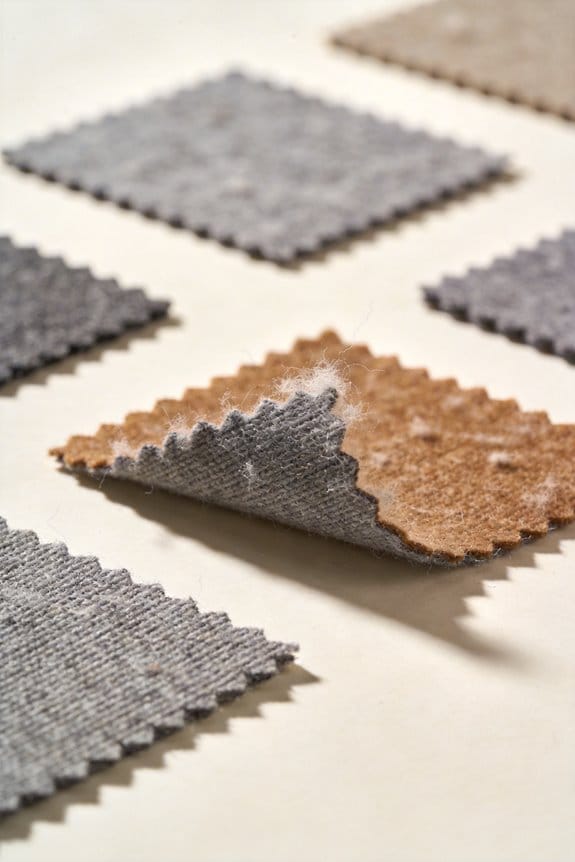
Ever looked at your favorite sweater and noticed those annoying little balls of fluff? Pilling can make even the best fabrics look worn out, and it’s not just a random occurrence. There are some specific things that lead to this pesky problem.
First, let’s talk about fiber damage. If you’re wearing clothes made from synthetic fibers, you might notice they tend to pill more. That’s because these fibers are shorter and can easily tangle. You might want to keep an eye out for this when shopping for clothes.
Next up is the yarn construction. Tightly twisted yarns are your friends here. They keep those fibers locked in place, which means less pilling. On the flip side, if the yarn is loosely twisted, you’re more likely to deal with those little fuzz balls. And speaking of construction, the weave of the fabric matters too. Looser weaves let fibers shift around more freely, leading to increased pilling. Fabrics that are tightly woven tend to hold their shape better and resist that annoying wear and tear.
Don’t overlook your environment either. Humidity and friction play a huge role in how your fabrics hold up. If you live in a place where your clothes rub against each other a lot, you’re likely to see more pilling.
Another important consideration is choosing fabrics with durable fabric quality, as this ensures longevity and less disruption from wear-related issues like pilling.
So, why does this all matter? Understanding these factors can help you make smarter choices when picking out fabrics. Consider investing in well-constructed items that will last longer and look fresh.
Fabric Types That Are Most Prone to Pilling
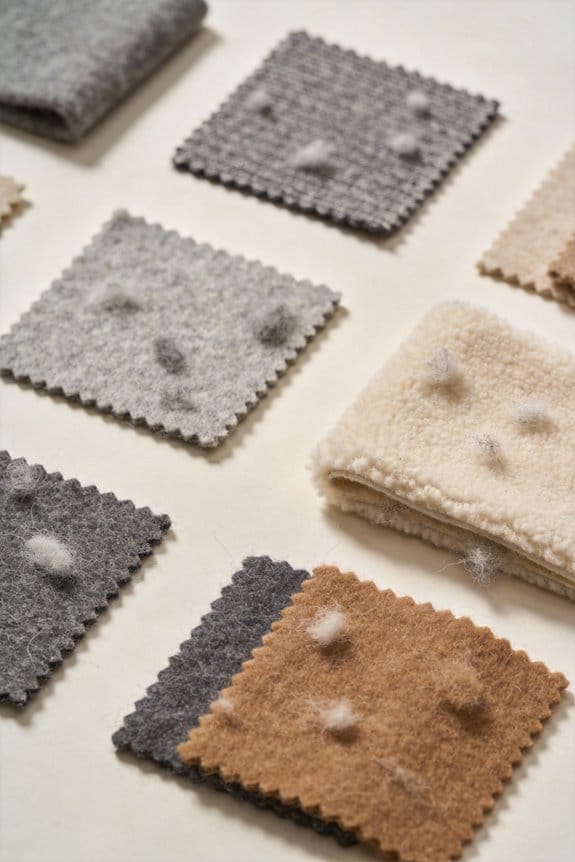
Have you ever noticed that your favorite sweater looks a bit worse for wear after just a few washes? Pilling can be such a frustrating issue. It’s all about the fabric you’re dealing with, and some are way more prone to pilling than others.
Fabrics that use short staple fibers, especially some cotton and wool blends, really struggle with pilling. So, if you see that mix in the tags, be prepared for some fuzz bomb action. Synthetic fibers, like polyester and acrylic, are also culprits. They have smooth surfaces that make tangling easier, leading to those pesky pills.
Think about how your clothes are made. Loosely woven fabrics can let yarns move around too much, increasing the chances of pilling over time. Knitted materials, particularly those with shorter fibers, tend to pill more compared to tightly woven options because the structure creates more friction.
And let’s not forget about fleece. It’s warm and cozy, but it’s largely synthetic and notorious for piling up after washing. Is there anything worse than pulling your go-to fleece out of the dryer only to find it looks like a fuzzy mess?
To keep pilling to a minimum, you might want to choose fabrics thoughtfully when shopping. Keeping an eye out for tightly woven and longer fiber materials could save you from that unwanted fuzz down the line.
In short, knowing which fabric types are prone to pilling can help you make smarter choices for your wardrobe. What fabric do you reach for the most, and have you noticed any pilling issues?
For added durability and comfort, many high-quality fleece jackets incorporate durable filament-fleece fabric that can better resist pilling and wear.
Recommended Products

50% cotton, 50% polyester

Finest Single Region Cashmere: Crafted from exclusive extra-long staple fibers sourced only from Inner Mongolia, providing superior softness, purity and consistency

100% High quality Cashmere: This 100% Cashmere knitted scarf wrap is super soft warm and light weight, suitable for all season to wear. It could be a warm sweater during winter or a light Pashmina in summer
How Friction Causes Pilling: Insights on Wear and Tear
Have you ever noticed those tiny balls of fabric popping up on your clothes? It’s super frustrating, right? Well, the main culprit behind those pesky pills is friction. As you wear your clothes, especially in those high-contact areas like underarms and sides, fibers loosen and get tangled. Every movement sends those fibers shifting, leading to the formation of those annoying little pills.
So, why does this matter? Fabrics with shorter or loosely woven fibers tend to tangle more easily. That means they’re more likely to pill over time. If you want to keep your clothes looking fresh and new, pay attention to the type of fabric you choose. Here’s the trick: opt for tightly woven fabrics. They resist wear and tear better, which can help you dodge pilling.
Now, let’s talk laundry. It’s not just about getting everything clean; the way you wash your clothes can make a big difference, too. Gentle washing methods create less friction overall, which is a win for fabric longevity. Also, consider washing similar fabrics together—this helps reduce the risk of pilling even more.
Honestly, being mindful of wear and tear can really prolong the life of your clothing. Taking a few extra steps can help keep your outfits looking their best. So next time you’re doing laundry, think about these tips. What’s your go-to strategy for preventing pilling? Choosing outerwear made from durable materials like DuraCanvas can also minimize fabric damage and pilling.
Effective Washing Techniques to Prevent Fabric Pilling
Are your favorite shirts and sweaters starting to look a little fuzzy? It’s frustrating when pilling makes our clothes look worn out before their time. The good news is, washing techniques can make a huge difference in keeping them looking fresh.
First off, try washing your clothes inside out. It’s a simple trick that really helps reduce the friction on the fabric’s surface, leading to less pilling. Next, opt for gentle wash cycles. These cycles cause less mechanical stress, which helps to keep your fibers intact. And when it comes to sorting your laundry, don’t just toss everything in together. Group similar fabric types to protect delicate items from getting rough treatment against heavier materials.
Here’s a tip you might find helpful: use cold water instead of hot. It preserves the fabric strength and decreases the chances of breakage in the fibers. If you want to go the extra mile, look into cellulosic fabric care products. They can improve moisture management and keep your clothes more pliable, which can further fend off pilling. Using moisture-wicking technology in fabrics also helps reduce abrasion caused by sweat during wear.
Recommended Products
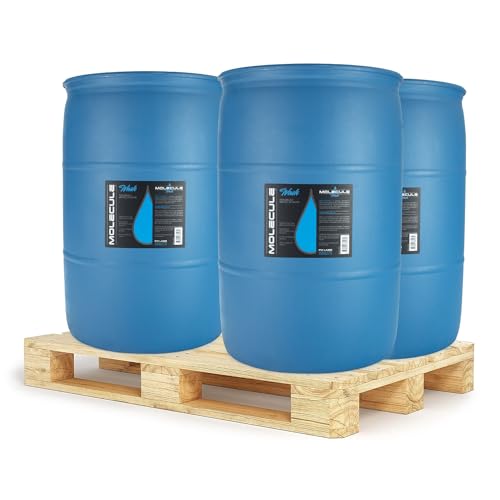
DESIGNED FOR TECHNICAL & PERFORMANCE FABRICS - Specially formulated for heavily soiled athletic wear, base layers, jerseys, and race suits including Nomex. Ideal for active lifestyles across sports, from training sessions to competition days. Choose right laundry detergent for your lifestyle.

Ideal alternative to electric or gas washers and dryers

Tough Action for Tough Stains: Our top load clothes washer features a Triple Action Impeller to tackle your toughest loads in three powerful ways: Spraying Action to attack dirt from every angle with a concentrated detergent mix, Wash Basket Action to move the wash basket back and forth, and Impeller Action to move clothes in a circular pattern
How Do Detergents Affect Pilling?
When it comes to washing your clothes, you might not realize how much the type of detergent you choose can influence pilling. If you’ve ever pulled a sweater out of the wash and noticed those annoying little balls of fuzz, you know it’s frustrating. So, what can you do about it?
Detergents with cellulase enzymes are a solid option for combating pilling. These enzymes work by breaking down loose fibers before they have a chance to tangle into those pesky pills. On the flip side, harsh detergents can actually damage the fibers in your fabrics, leaving you with a higher chance of pilling. You might be thinking, “Isn’t all detergent pretty much the same?” Not quite!
Also, keep an eye on how much detergent you’re using. Too much can create extra suds, which makes rinsing less effective. This can leave behind residue that contributes to pilling too. For delicate fabrics, going for milder detergents is a smart move; they maintain the integrity of the fibers better.
Here’s the trick: washing in cooler water with the right detergent can preserve the durability of your fabrics. It’s a simple change that can greatly reduce the risk of pilling. Additionally, choosing fabrics made with reinforced stitching can enhance resistance to fiber damage and reduce pilling over time.
Recommended Products

Effective on hard-to-reach surfaces like corners, cracks, tile grouting, and other crevices, cleaner is a safe and environmentally-friendly alternative to harsh chemicals without sacrificing cleaning power

The Ultimate Pet Family Laundry Sheets Detergent: With more enzymes & larger size specially made to repel pet hair & fur from clothes, while washing away set dirt and neutralizing pet odors, without harsh chemicals!

ELIMINATE TOUGH STAINS: Our natural laundry detergent removes the toughest stains from virtually detergent liquid very type of fabric. Use it in the washing machine for a load of activewear or spot clean by applying it to individual stains. Make the stress that’s caused by stains a thing of the past.
Drying Tips to Minimize Fabric Pilling
Ever notice those annoying little pills forming on your favorite sweaters and shirts? It’s frustrating to see your clothes lose their smooth look. Luckily, with the right drying techniques, you can help minimize fabric pilling and keep your wardrobe looking fresh longer.
Try air drying when you can. It makes a huge difference by reducing friction and exposure to heat, both of which can lead to more pilling. If you decide to use the dryer, keep it on low heat. High temperatures can weaken the fibers, making them more prone to damage.
Another tip? Don’t overload the dryer. When clothes bump against each other, it ramps up the friction and leads to lots of pilling. Plus, make sure you’re pulling your items out promptly once they’re dry. Leaving them in too long exposes them to heat, which can cause fibers to shrink and tangle.
Here’s the trick: using dryer balls can really help. They separate your clothes and allow for better airflow, which reduces friction even further.
In addition, selecting fabrics with moisture-wicking capabilities can also reduce pilling by keeping fibers dry and less prone to damage.
Truth is, following these simple tips not only helps extend the life of your fabrics but also keeps them looking their best. So, why not give it a shot? What drying techniques have you tried, and how have they worked for you?
Identifying Fabrics Resistant to Pilling
Ever looked down at your favorite sweater or pair of pants and noticed those annoying little balls of fabric? Pilling can be such a hassle, but there are smart ways to choose fabrics that stand up to it.
When you’re shopping, keep an eye out for materials made from continuous filament fibers, like polyester and nylon. These synthetic fibers tend to lay flat and don’t tangle easily, which means they resist pilling better. And don’t overlook tightly woven cotton and wool; their dense construction helps keep fibers securely in place, cutting down on that fuzzy problem.
Want some extra tips? Consider blends that combine strong materials, such as nylon mixed with cotton. These mixes not only add durability but also make it less likely that you’ll see those pesky pills pop up. High-quality cashmere and Merino wool can also be resistant if they’re crafted from long, tightly twisted fibers. Plus, check if any fabrics have been treated with anti-pilling finishes for an added layer of defense.
So, why does this matter? If you’re investing in clothes, you want them to last! Pay attention to your fabric choices—taking a moment to read labels can really pay off in the long run. Choosing fabrics with superior moisture-wicking capabilities also helps maintain fabric integrity and reduces pilling caused by trapped moisture.
Want to avoid the frustration of pilling in the future? Keep these fabric tips in mind for your next shopping spree. What other tricks have you found to keep your clothes looking fresh?
Quick Tips for Removing Fabric Pilling From Garments
Dealing with fabric pilling can be super annoying, right? But it doesn’t have to be a hassle. Start by grabbing a fabric shaver. This nifty little tool can quickly refresh your favorite sweaters or shirts without damaging them.
For lighter touch-ups, lint rollers or even some sticky tape will do the trick. Just roll or press it against the fabric to lift those pesky pills right off. If you’re looking for a gentler method, consider using a fabric comb to manually tease them out. It’s a bit more hands-on, but it keeps the fabric intact.
Now, when it comes to stubborn pills on high-quality fabrics, a pair of scissors can be your best friend. Just trim them carefully to avoid cutting the fabric itself. Truth is, maintaining your clothes is a bit easier if you wash them inside out and stick to the right care settings.
Additionally, choosing garments made from high-quality polyester fibers can reduce the likelihood of pilling since these fibers maintain their integrity better over time.
With these simple tips, you’ll keep your garments looking fresh and new. What’s your go-to method for tackling pilling?
Recommended Products

LUXURY GARMENT BRUSH - 10.5" x 2" x 1.75" - This luxury portable lint remover is ideal for softer fabrics such as wool, cashmere, and silk. Also ideal as a pet hair remover, lint remover for clothes, and suede shoe brush.

✂️ [12 Times Removal Efficiency] Cleaning A sweater only takes ONE minute with TORRAS rechargeable fabric shaver. The turbine design increases the suction power of lint by 2 times. Six 45° blades increase the cutting efficiency by 3 times. The 11000 RPM motor doubled the cleaning speed. Each electric lint remover rechargeable contains numerous exquisite designs.
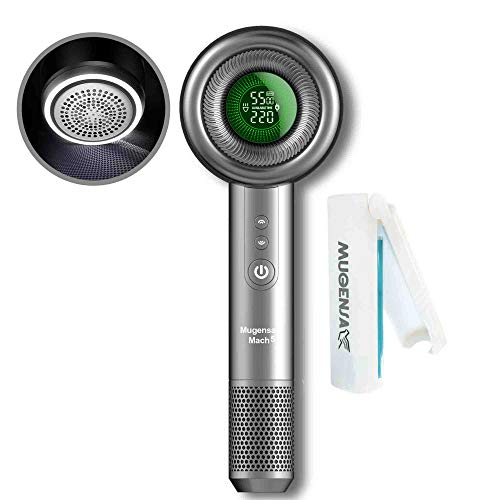
POWERFUL YET GENTLE SHAVING & SUCTION - Thanks to its jet engine design and vortex blade system, this clothes shaver simultaneously shaves and removes pill, lint, and fuzz without snagging or causing damage. Fuzz balls won’t collect on the surface for uninhibited shaving. This makes giving new life to your favorite sweaters or blankets quick and easy. Specs: 390 induction motor, 18W, 7500 r/min max speed
Long-Term Care Strategies for Preventing Pilling
To keep your clothes looking sharp and prevent fabric pilling, you really need to adopt some smart long-term care strategies. Have you ever pulled your favorite sweater from the closet only to find it all fuzzy and worn out? It’s such a bummer!
Start by storing your delicate items on padded hangers. Seriously, it makes a difference. Overcrowding drawers can cause friction that leads to pilling, so give your clothes room to breathe. Consider rotating your garments to help spread out the wear and tear—just like you’d rotate your tires!
Here’s the trick: use a fabric conditioner that has cellulose in it. This helps keep your fabrics moist and flexible, lowering the chance of pilling. While you’re at it, don’t forget to clean your washing machine regularly. A tidy machine means your clothes get a better wash.
When washing those delicate pieces, toss them into mesh laundry bags. This little tip cuts down on the friction that causes pilling from the other clothes in the wash. And when you’re done washing, air drying is the way to go. It prevents high dryer heat from weakening your fibers—plus, it’s a great excuse to hang clothes outside on a sunny day.
Choosing fabrics with high-quality insulation and durable materials can also reduce wear and tear, helping prevent pilling on your outerwear, especially items like 800 fill down jackets.
Honestly, taking these steps can really boost the lifespan of your clothes. So, why not give them a try? Your wardrobe will thank you, and you’ll feel good about extending the life of those favorite pieces!
Frequently Asked Questions
Can Pilling Affect the Resale Value of Clothing?
Yes, pilling can considerably affect resale value. As fabric condition deteriorates, consumer perception shifts negatively. We should consider maintaining our clothing to preserve its quality and guarantee the best resale impact possible.
Is Fabric Pilling More Common in Certain Climates?
Isn’t it frustrating when our favorite clothes pill? Fabric pilling’s definitely more common in climates with high humidity levels and temperature variations, which can exacerbate wear and tear on our garments. Let’s take care of them!
How Does Pilling Differ Between Natural and Synthetic Fibers?
Natural fibers tend to pill less than synthetic fibers due to their structure, but when they do, the pilling characteristics may be softer. Synthetic fibers often create more visible and aggressive pilling that’s harder to remove.
Are There Specific Brands Known for High Pilling Fabrics?
We’ve noticed some brands repeatedly receiving low marks for pilling. By analyzing consumer feedback trends and brand quality comparisons, we can pinpoint pilling resistance techniques that truly make a difference in fabric longevity.
Does the Color of Fabric Influence Pilling Occurrence?
Yes, the color of fabric can influence pilling occurrence. Certain dyes may affect dye stability, and how a color interacts with fabric texture can either enhance or diminish pilling. We should choose wisely!


