As an Amazon Associate, we earn from qualifying purchases. Some links on this site are affiliate links at no extra cost to you. Our recommendations are based on thorough research and editorial judgment.


How to Properly Wash and Dry Technical Outdoor Clothing

Ever find yourself with a muddy jacket or stinky hiking pants and wonder how to make them fresh again? Technical outdoor clothing can be a bit tricky to clean if you want to keep it performing at its best. Here’s a simple guide to help you wash and dry your gear without damaging it.
First things first, always check the care label on your clothing. It might seem tedious, but it’s crucial. After that, give your gear a pre-rinse in cold water to get rid of any dirt or grime.
When it’s time to wash, go for a front-loading washer and use a delicate cycle with a specialized detergent meant for technical fabrics.
Try to wash your outdoor gear separately. Mixing it with your regular laundry can lead to some big problems, like snagging. Only wash your items when they’re visibly dirty or have a noticeable odor—don’t just do it after every use.
Once the wash is done, remove your gear promptly. You don’t want it sitting in the washer, soaking up moisture longer than necessary.
For jackets, toss them in the tumble dryer on a low heat setting. But if you’ve got waterproof gear, line dry it to maintain its waterproofing.
After everything’s cleaned and dried, store your gear in a ventilated area. That way, it can breathe and avoid musty smells.
And here’s a pro tip: regularly reapply a water repellent treatment to keep your gear performing like it should.
Washing and caring for technical outdoor clothing doesn’t have to be a hassle. With these straightforward steps, you can keep your gear in great shape.
What other tips do you have for caring for outdoor gear?
Key Takeaways
- Check the care label on your technical clothing for specific washing instructions before cleaning.
- Pre-rinse garments in cold water to eliminate surface dirt before washing with specialized detergent.
- Wash technical gear separately using a front-loading washer on a delicate cycle to prevent damage.
- Tumble dry down jackets on low heat with tennis balls or line dry Gore-Tex materials for best results.
- Reapply water repellency when needed, using specialized DWR products, and test effectiveness by checking if water beads.
Understanding the Importance of Regular Washing for Technical Gear
Washing your technical outdoor clothing regularly is super important if you want to keep it performing at its best. Letting dirt, sweat, and oils build up can really mess with the waterproofing and insulation. You don’t want to be halfway up a mountain and realize your gear isn’t keeping you warm or dry, right?
Here’s the trick: a bit of routine cleaning not only extends the life of your gear but also brings back that durable water repellent (DWR) coating. This is what keeps your fabrics water-resistant when the weather takes a turn. So, keep that in mind next time you think about skipping the wash.
Truth is, if you don’t wash your gear regularly, you could end up with reduced breathability and moisture management. This means discomfort when you’re out on your adventures. Not exactly the experience you want when you’re trying to enjoy nature.
Try this: make a habit of washing them after a couple of uses or after a particularly sweaty day. It’s a small effort that goes a long way. Besides, clean gear not only performs better; it also cuts down on waste, supporting sustainability.
Additionally, using the right detergents and avoiding fabric softeners help preserve your gear’s moisture-wicking technology and insulation properties.
In short, taking care of your technical outdoor clothing is key to keeping it functional and comfy. So, how will you approach your gear care next time?
Washing Your Technical Clothing: A Step-by-Step Guide
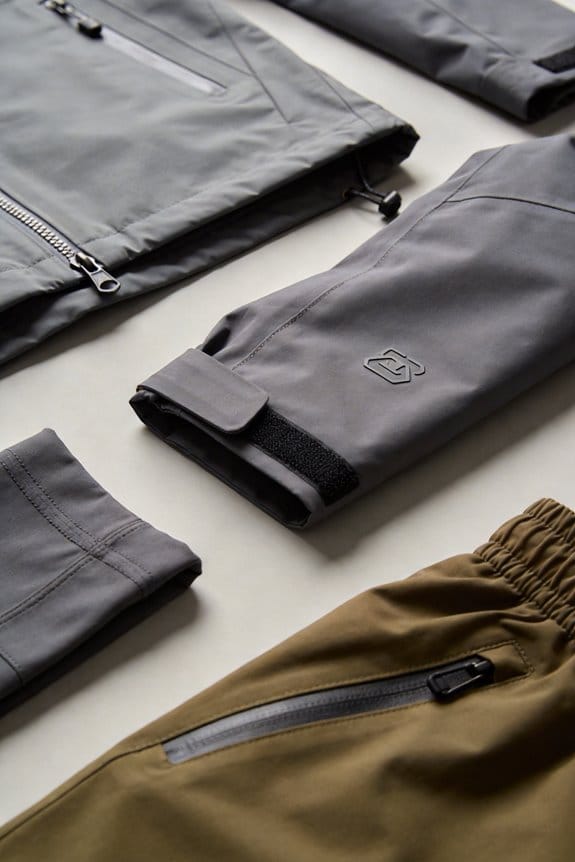
Ever looked at your favorite outdoor gear and wondered how to keep it fresh and functional? It can be a bit overwhelming, but cleaning your technical clothing isn’t as tricky as it seems. To kick things off, check the care label on your garments for specific washing instructions. It’s a little detail that can make a big difference.
Start by pre-rinsing your clothes in cold water. This will help wash away any surface dirt that’s built up over time. After that, pop them into a front-loading washing machine. Set it on a delicate cycle, and don’t forget to use a specialized detergent like Nikwax Tech Wash®. You’ll want to wash them alone—no mixing with other clothes, trust me on this one.
Once you’ve gone through the wash cycle, it’s crucial to dry the items properly. You can throw them in the dryer on low heat to reactivate the DWR (Durable Water Repellent) coatings. If you prefer, line drying works too; just give your clothes a little boost with an iron if needed. So, what’s the takeaway here? Only wash your gear when it’s visibly dirty, smells funky, or has been contaminated with oils. This not only maintains its performance but also extends its life.
Keeping your technical clothing clean and ready for your next adventure isn’t just about aesthetics; it’s about making sure you’re prepared for whatever the great outdoors throws your way. Remember that using PFAS-free formulations in detergents can protect your gear’s water repellency without harmful chemicals. What’s your go-to method for keeping your gear in check?
Recommended Products

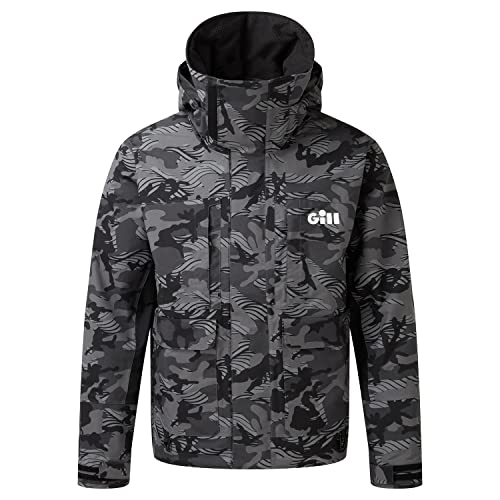
RAIN JACKET FOR WOMEN: Prois’ Dionla Jacket is the ultimate waterproof jacket made with the most innovative fabrics available with two direction adjustment zippers to keep the hood in place during windy conditions while zippered hand pockets provide added waterproof storage.

Size L - Average Height 5'10"-6'1" (178-186cm) - Chest 41"-43" (104-109cm) - Waist 34"-37" (87-94cm)
Top Washing Mistakes to Avoid With Technical Apparel
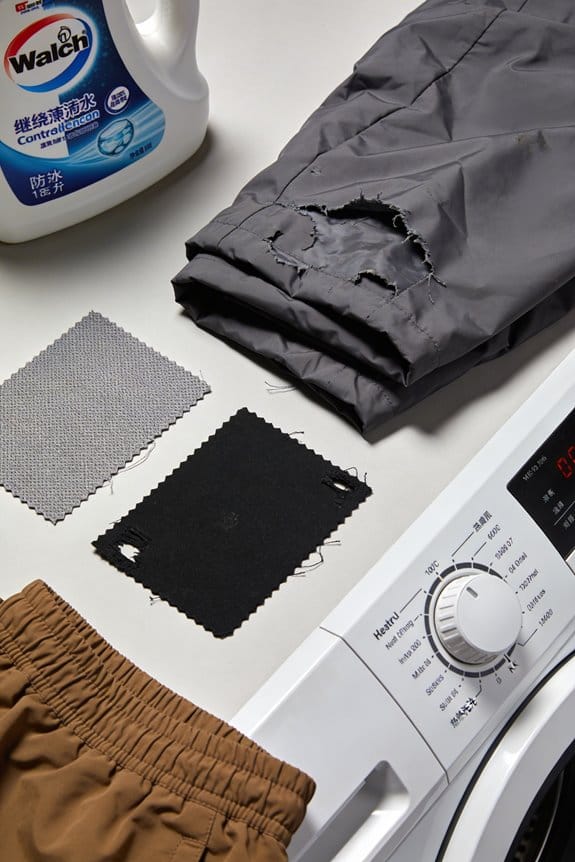
Taking care of your technical apparel is crucial, but it’s easy to make a few common mistakes. Have you ever used regular detergent on your favorite jacket? That could leave behind a residue that messes with your garment’s waterproof layer. And while it might feel tempting to toss your down jacket into hot water, it’s a no-go; that heat can ruin the fabric.
Here’s the trick: always wash your technical clothing separately from regular laundry. Those zippers and hooks? They can snag on delicate materials, leading to some serious damage. It’s also smart to select a delicate cycle when you’re washing. Don’t forget to skip the high spin options, as they can tear up your gear.
Before you hit that start button, make sure all zippers are closed. You don’t want your outdoor clothing getting tangled up in a wash cycle gone wrong. A little attention during laundry time can keep your gear performing well on your next adventure. Additionally, it’s important to reapply waterproof treatments periodically to maintain the functionality of your gear.
Recommended Products
Best Drying Tips to Keep Your Gear Performing Well
Drying your technical outdoor clothing the right way is essential if you want it to last. Ever taken your favorite jacket out of the washer, only to find the insulation has clumped together? To avoid that, take your gear out right after the wash cycle is done. For your down jackets, you can toss them in the dryer on low heat, and a few tennis balls will help fluff them back up.
When it comes to Gore-Tex or other waterproof materials, you might want to line dry them. But if you’re set on using the dryer, keeping it on a low to medium setting can help reactivate the durable water repellent (DWR) treatment. Here’s a tip: consider pulling your clothes out of the dryer halfway through to boost their water repellency. Once everything’s dry, store it somewhere cool and well-ventilated. Regularly checking and reapplying waterproof treatments is crucial to maintain the gear’s performance and longevity.
Recommended Products

Anti Wrinkle and Anti Static: these wool dryer balls for dryer have anti wrinkle and anti static effects, making clothes soft and helping to catch lint, pet hair, etc.; Put dryer balls in the dryer to help clothes dry faster and prevent entanglement


Package Included: you will get 54 wool dryer balls about 2.8 inches in diameter, 20 each in gray and white, and 2 canvas drawstring pockets for your use and storage needs; Rolled into tight without chlorin bleaching, filler and synthetic fiber
When and How to Reapply Water Repellency?
When outdoor clothing starts to soak up water instead of repelling it, you know it’s time to act. Have you noticed water no longer beading off when you’re out in the rain? That’s a good sign it’s time for some maintenance.
First things first, wash your gear in cold water with a gentle detergent. This isn’t just about getting rid of dirt; it helps maintain that all-important DWR coating. After it’s clean, you’ll want to reapply the water repellency. You can choose from specialized DWR products, which come in either wash-in treatments or sprays.
Here’s the trick: after washing, tumble dry your clothing on a low or warm setting. This step is crucial because it reactivates the DWR coating. If the fabric can handle it, using an iron on a low setting works wonders, too.
To check if it worked, sprinkle a few drops of water on the surface. If the water beads up nicely, you’re in good shape!
So, why does this matter? Keeping your gear water-repellent can make a big difference when you’re out hiking or camping. Trust me, being dry and comfortable is worth the effort. Choosing rain gear with a waterproof rating of at least 10,000 mm ensures effective protection after maintaining the DWR coating.
In recap, don’t wait too long to reapply water repellency—keep an eye out for those signs and take action. Have you tried any of these methods before? What’s your go-to for maintaining your outdoor gear?
Recommended Products

Waterproof & Windproof Fabric for Harsh Winter Conditions: Crafted from durable polyester softshell fabric with a 20,000mm waterproof rating, these men’s ski pants / waterproof snow pants keep you dry in heavy snow and slushy conditions. The windproof outer layer blocks cold gusts, making them ideal winter outdoor pants, snowboarding pants, and ski trousers for men during extreme weather.
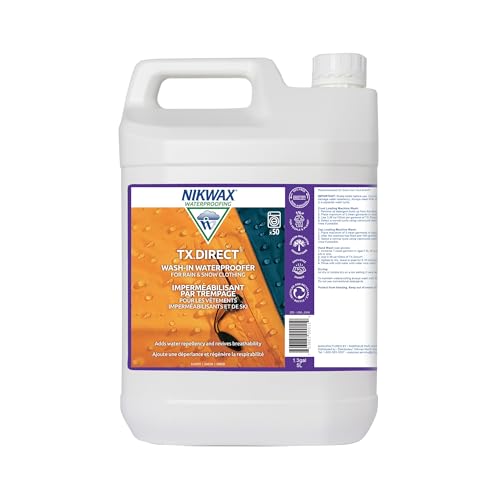
High performance waterproofer designed to enhance performance and revitalize the breathability of waterproof clothing, keeping you warmer and drier

ENHANCED FABRIC PROTECTION - Adds water repellency to a range of fabrics, ideal for clothing and personal accessories, safeguarding against elements and extending their use and lifespan
Frequently Asked Questions
How to Wash Outdoor Clothing?
When washing our outdoor gear, let’s embrace fabric care! We’ll choose gentle detergents, adjust temperature settings, and use proper stain removal methods. Regular washing guarantees water repellency, and proper drying techniques keep odors at bay.
Can I Dry My Hunting Clothes in the Dryer?
Yes, we can dry our hunting gear in the dryer using low temperature settings. However, let’s remember air drying maintains waterproof materials better and is key for odor removal and overall fabric care for garment longevity.
How to Wash a Rain Jacket With Tech Wash?
To wash our rain jackets with tech wash, we should use a front-loading washing machine, add the recommended tech wash, avoid regular detergent, and consider proper drying techniques to maintain our outdoor gear’s performance.
Can Waterproof Jackets Go Through the Dryer?
Yes, we can use the dryer for waterproof jackets on low settings, following manufacturer guidelines. Heat damage’s a concern; we should consider drying alternatives to preserve garment longevity while maintaining moisture retention for various fabric types.


