As an Amazon Associate, we earn from qualifying purchases. Some links on this site are affiliate links at no extra cost to you. Our recommendations are based on thorough research and editorial judgment.


How to Choose the Right Sock Weight for Different Hiking Conditions

Choosing the right sock weight for hiking can make a big difference in your comfort on the trail. It all comes down to matching your socks with the weather and terrain. So, what should you look for?
First, if you’re out on a warm day, lightweight socks are the way to go. Go for Merino wool or quick-dry synthetics that keep your feet cool and comfortable as you explore.
You’ll appreciate the breathability and moisture-wicking properties when the sun’s blazing down.
Now, if you’re into multi-day backpacking trips, you might want to consider midweight socks. These provide that sweet spot of cushioning and moisture management, keeping your feet fresh even after hours of hiking.
You don’t want to end up with blisters halfway through your adventure, right?
When winter rolls around and you’re headed into the cold, heavyweight socks come into play. Look for options with extra insulation and a higher Merino wool content.
It’s all about staying warm and cozy as you trek through snowy trails or chilly mornings. Staying comfortable lets you focus on the nature around you instead of your freezing toes.
So, the next time you’re gearing up for a hike, remember to choose your sock weight wisely. It’s a small detail that can have a big impact on your experience outdoors.
What socks are you planning to take on your next adventure?
Key Takeaways
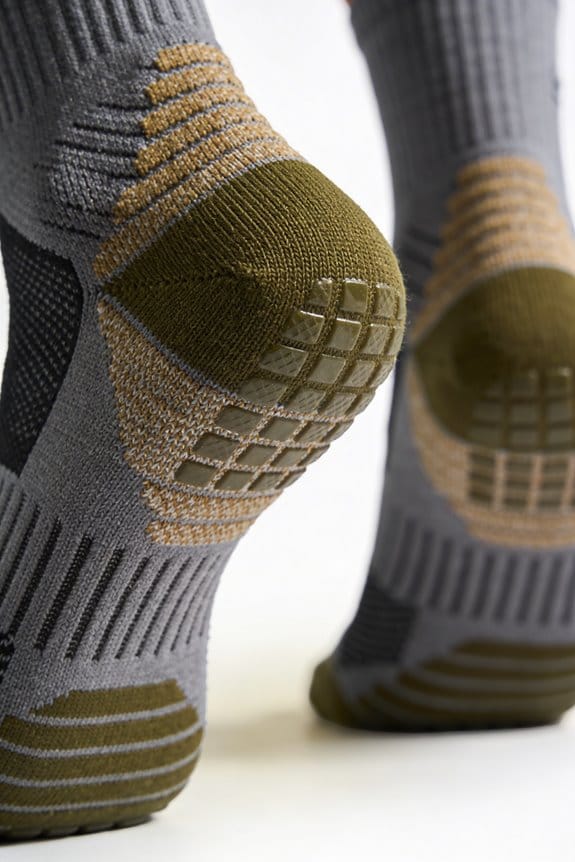
- Choose lightweight socks for warm weather; opt for moisture-wicking materials and breathable designs to keep feet cool and dry.
- Select midweight socks for moderate temperatures and multi-day hikes, providing cushioning and effective moisture management with a snug fit.
- Use heavyweight socks in cold weather, focusing on extra insulation and high Merino wool content for warmth and moisture-wicking properties.
- Ensure all sock types have seamless toe designs and reinforced heels to enhance durability and comfort during hikes.
- Match sock height with footwear; crew or over-the-calf styles protect against boot rubbing while providing additional support.
How to Choose the Right Sock Weight for Your Hike?
When it comes to hiking, picking the right sock weight can make a huge difference in how your feet feel after a long trek. Nobody wants to end a day of exploration with sore feet or blisters, right? Start by thinking about the weather. If you’re heading out on a warm day, lightweight socks are your best bet. Merino wool or quick-dry synthetics are great materials since they wick moisture away and keep your feet cool.
For those hikes where the air is a bit crisper, midweight socks strike a solid balance. They offer extra cushioning and support, making them a good choice for moderate terrain. But when temperatures really drop, you’ll want to reach for heavyweight socks for maximum insulation. They’ll help keep your feet warm and toasty.
Now, let’s talk about fit. It’s crucial to have snug-fitting socks; they reduce slippage and help prevent blisters, which is a must no matter what sock weight you choose. You might also want to consider pairing crew socks or over-the-calf styles with your heavier socks for some added warmth. Truth is, lightweight socks go best with low-cut footwear, which can make your hikes much more enjoyable and blister-free. Choosing socks made with moisture-wicking fabric is also key to managing sweat and keeping your feet comfortable on the trail.
Recommended Products

Iconic Heritage Design: Men’s leather boots with the unmistakable Iron Ranger look, featuring a classic cap toe, premium hardware, and timeless 6-inch profile built for standout style and long-term wear

Freeze Guard 400 insulation provides reliable 400-gram warmth, providing maximum warmth in frigid environments. Made from 100% post-consumer recycled polyester, it keeps feet comfortable in cold conditions.
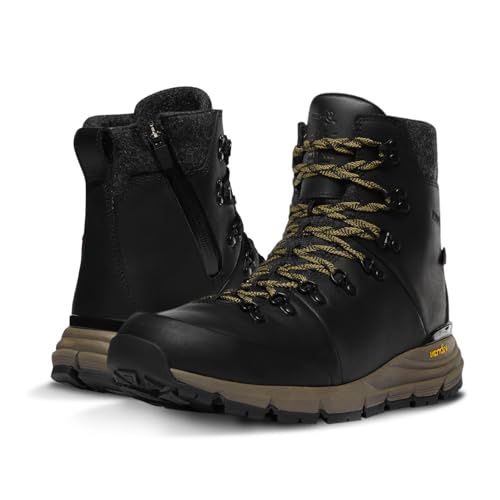
SIDE-ZIP DESIGN for easy access and convenience in any environment with this waterproof hiking boot
Essential Features to Maximize Comfort in Hiking Socks
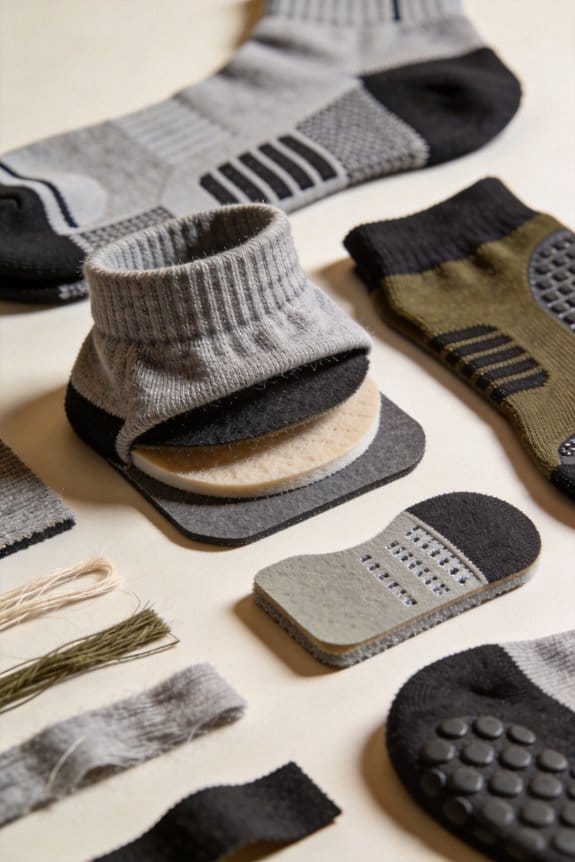
Ever set out on a hike only to end up with sore, sweaty feet? It’s the worst, right? Choosing the right sock weight is only the starting point. If you want comfy feet while trekking, pay attention to some essential features.
Moisture-wicking materials are a must. They keep your feet dry, which is crucial whether you’re on a short stroll or a long trek. Cushioning matters too. For shorter trails, lightweight options will do just fine. But if you’re tackling longer hikes in moderate terrain, go for midweight socks. And, if you’re heading into colder weather, heavyweight cushioning can keep your toes warm and toasty.
Don’t overlook sock height either. Crew or over-the-calf styles can offer extra protection against boot rubbing. A snug fit is key, as it helps cut down on bunching and blisters. Honestly, nobody wants to deal with sore spots on their feet while they’re trying to enjoy nature.
Look for features like seamless toe designs that take away those annoying friction spots, and reinforced heel areas that promise extra durability. Plus, think about arch support—this can make a big difference in comfort on long hikes. And let’s not forget about merino wool socks; they’re fantastic for both comfort and performance.
For optimal comfort, consider socks made from moisture-wicking and quick-drying fabrics similar to those used in top-rated hiking pants to keep your feet dry throughout the day.
Recommended Products
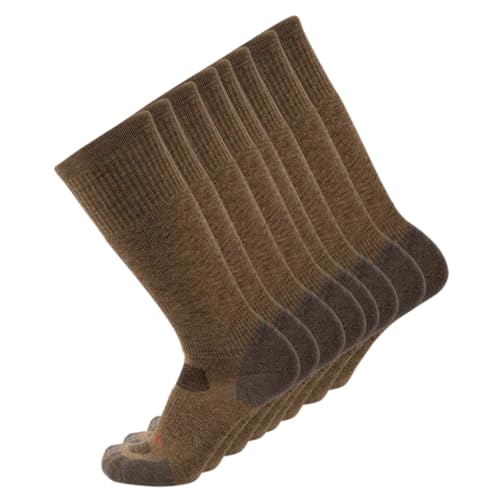
Versatile "Four Season" Design: These thick socks offer a full terry bottom for comfort while eliminating terry in the upper foot and leg, providing a lightweight feel suitable for both shoes and boots. These premium warm socks are warm enough for your winter gear as well as lightweight enough for your summer camping gear
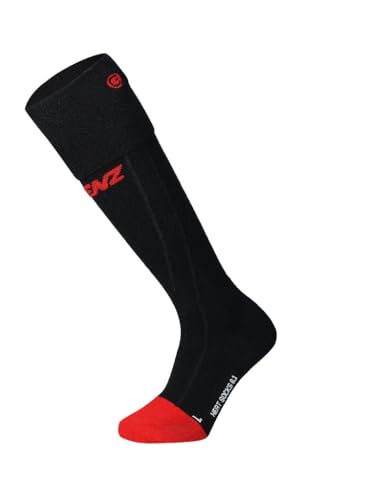
Heat sock with compression and merino wool

Versatile "Four Season" Design: These thick socks offer a full terry bottom for comfort while still creating a lightweight feel. These premium warm socks are warm enough for your winter gear as well as lightweight enough for your summer camping gear
Lightweight Socks for Warm Weather

Lightweight socks are a must-have for those warm weather hikes, right? If you’ve ever been out on the trail when the heat cranks up, you know how crucial it is to keep your feet cool and dry. Look for socks that have moisture-wicking properties so your feet can breathe and stay comfortable even on those blistering days.
When you’re shopping for socks, pay attention to breathable designs. Options with mesh and vented panels can really improve airflow, helping to reduce the sweat that can make your hike uncomfortable. A little cushioning can go a long way—to balance comfort and performance, choose socks that pair well with both sneakers and trail shoes.
And honestly, the right materials matter. I’ve found that a Merino/silk blend can make a difference, cutting down on friction and helping prevent those pesky blisters. Try to look for performance yarns like COOLMAX®; they’re great at managing moisture effectively.
The best part is that lightweight socks can really enhance your hiking experience. Happy feet mean happy trails. So, next time you’re gearing up for your adventure, think about the socks you’ll wear. What have your best hiking socks taught you about comfort? Also, consider pairing your socks with breathable, lightweight hiking pants to maintain overall comfort and stay cool on the trail.
Recommended Products
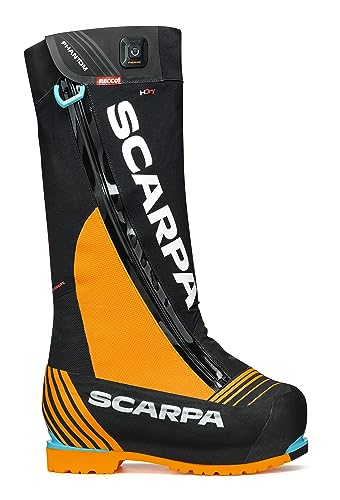
EU Size: 42 – US Size: 10 Women/9 Men | Warmest for the Highest | SCARPA’s warmest, most protective mountaineering boot built for 8000-meter ascents.
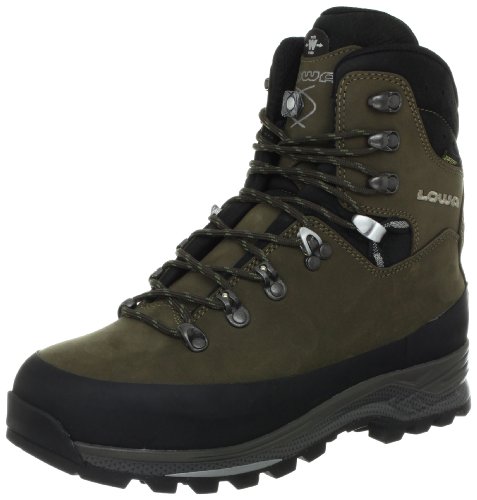
Waterproof GORE-TEX lining

10" tall leather uppers made from 2.8 mm full grain leather feature double and triple stitching throughout for added durability
Midweight Socks for Multi-Day Backpacking
When you’re out on the trail with a loaded backpack, have you ever noticed how important your socks can be? You want to find that sweet spot between cushioning and breathability. Midweight socks are often the perfect choice for those multi-day backpacking trips. They give you the comfort and support needed to tackle all sorts of terrain, while also keeping your feet in good shape.
The materials used, like Merino wool and nylon, are what make these socks stand out. They manage moisture really well and stay breathable throughout your hike. This is key because dry feet equal a happier experience on long hikes. Nobody wants to deal with damp, smelly socks when tackling miles of nature.
One of the best parts about midweight socks is their insulation. They do a great job keeping your feet warm when it’s cool outside and cool when it’s warm. Plus, they have added cushioning that helps reduce pressure, minimizing the chance of blisters. Think about it—who wants to be sidelined by sore feet? With a snug fit and reinforced areas, these socks are made to last through your adventures. Choosing socks with moisture-wicking technology helps sweat evaporate rapidly, enhancing comfort on long hikes.
Recommended Products

Pay for 5 and get the 6th Free | Made In the USA: Every pair of socks is knit in Northfield, Vermont - the perfect testing ground for the finest premium all weather performance socks.

Pay for 5 and get the 6th Free | Made In the USA: Every pair of socks is knit in Northfield, Vermont - the perfect testing ground for the finest premium all weather performance socks.

Midweight with Full Cushion - A Midweight sock with high density cushioning throughout the entire sock for full on comfort and performance. True Seamless technology allows for an undetectable seam fusion for an Ultra-smooth, invisible feel.
Heavyweight Socks for Cold Weather Adventures
When you’re gearing up for cold weather hikes, heavyweight socks should be one of your top priorities. You might wonder, what’s so special about them? It’s simple: they deliver extra insulation that’s a must-have for any winter trek.
Look for socks with a high percentage of Merino wool. Why? This fantastic material is known for its excellent moisture-wicking abilities and natural odor resistance, which helps keep your feet dry and fresh. Bonus points for the extra cushioning—they’ll really enhance your comfort while hiking. Plus, you’ll want to find pairs with reinforced heel and toe areas. These features are essential if you’re navigating rugged terrains; they hold up over time and keep those socks in the game longer.
Another perk of heavyweight socks is their thermoregulating capabilities. They trap warmth while allowing moisture to escape. This is a game-changer for keeping your feet cozy without feeling sweaty. Trust me, there’s nothing worse than cold, damp feet when you’re out in nature.
To further enhance your comfort and performance, consider pairing your socks with moisture-wicking fabrics that help maintain dryness in any activity.
So, when you’re shopping for your next pair, keep these points in mind:
- Opt for Merino wool for moisture control and odor resistance.
- Look for added cushioning for comfort.
- Choose designs with reinforced areas for durability.
By investing in quality heavyweight socks, you’re basically setting yourself up for a better hiking experience. It’s all about making sure your feet are warm and comfortable, right?
Recommended Products

60 PAIRS OF MEN MERINO WOOL THERMAL INSULATING SOCKS: Be ready for your next trip or this upcoming winter with high quality merino wool socks. These sturdy socks are made for rough conditions and feature cushioned soles for maximum comfort. Features thermo-insulating technology keeps heat close to the body.

Magic Layer | These ¾ length-insulating baselayer bottoms deliver unparalleled warmth and versatility on frigid days.

QUALITY EXPEDITION BASELAYER: 100% Merino Wool is super soft and extremely comfortable. This merino wool crew neck thermal has the versatility and warmth to make this an essential part of your outdoor gear. ENVIRONMENTALLY FRIENDLY: The best in easy care technology means your merino wool is machine washable and dryable. Our 100% Merino Wool is a renewable fabric. Its moisture-wicking properties mean you won't have to wash it as often so you'll use even less water.
Frequently Asked Questions
Can I Wear Cotton Socks for Hiking?
They say, “Cotton’s for comfort,” but on hikes, cotton socks have drawbacks. They trap moisture, causing blisters. Let’s choose moisture-wicking synthetics for temperature regulation, cushioning, and odor control—layering’s the secret to keeping our feet happy!
How Often Should I Replace My Hiking Socks?
We should replace our hiking socks every 6-12 months, depending on hiking frequency. Watch for signs like wear patterns, odor, or reduced cushioning. Balancing sock lifespan with budget can help maintain blister prevention and fabric durability.
Do Thicker Socks Always Provide More Comfort?
Thicker socks don’t always mean comfort. We’ve found comfort factors include fit, sock materials, and moisture management. Thicker advantages like cushioning effects help with blister prevention, but breathable fabrics might suit diverse hiking conditions better.
What’s the Best Way to Care for Hiking Socks?
To care for our hiking socks, we should wash them gently, dry with low heat, choose durable materials, and store them properly. These practices enhance fabric longevity, prevent odor, and minimize blister risks, keeping our gear fresh.
Should I Wear Two Pairs of Socks for Hiking?
When we say “two’s company, three’s a crowd,” it applies to socks too! Wearing two pairs can enhance heat retention, moisture management, and blister prevention, but ultimately, it’s our personal preference and sock fitting that matters most.