As an Amazon Associate, we earn from qualifying purchases. Some links on this site are affiliate links at no extra cost to you. Our recommendations are based on thorough research and editorial judgment.


Taped Seams vs. Sealed Seams: What’s the Difference?

Ever found yourself caught in a downpour, wishing you had better gear? That’s where knowing the difference between taped seams and sealed seams comes into play.
Taped seams use waterproof tape along the needle holes to keep water at bay. On the flip side, sealed seams apply adhesive on the stitched areas to create a waterproof barrier. If you’re facing heavy rain, taped seams are your best bet—especially with thicker fabrics.
But for lighter showers or a broader range of materials, sealed seams do just fine.
So, which should you choose? When the weather’s really rough, go for taped seams. They offer the kind of protection you need in harsh conditions.
However, if you’re looking for something that’s easier to repair and works well for moderate weather, sealed seams are a solid option.
Don’t forget about maintenance! Make it a habit to check your seams regularly; this can save you some headaches down the road. Honestly, understanding the benefits of each can really impact your outdoor experience.
So, what’s your next adventure? Are you ready to tackle it with the right gear?
Key Takeaways
- Taped seams use waterproof tape under stitched areas, while sealed seams apply adhesive over stitch lines for waterproofing.
- Fully taped seams provide superior protection against heavy rain compared to critically taped seams.
- Taped seams are better suited for heavier fabrics, whereas sealed seams perform well with various materials.
- Regular maintenance is crucial; sealed seams may require user application of sealants for older gear, unlike factory-applied taped seams.
- Consider expected weather conditions when choosing between taped and sealed seams for optimal waterproof performance.
What Are Taped Seams and Their Benefits?
Have you ever set up your tent only to discover leaks when the rain starts pouring? It’s tough to enjoy the great outdoors when you’re worried about staying dry. That’s where taped seams come into play, and they can truly make a difference.
Taped seams are essential for keeping your tent water-resistant. These seams feature a waterproof tape, usually made of polyurethane, that’s applied under stitched areas. This tape acts like a barrier, preventing water from sneaking in through tiny holes created by the needle during the sewing process. Getting this right involves specialized machinery and some serious attention to detail. When done well, you often won’t even see the tape, but it significantly boosts the tent’s durability.
If you’re considering a new tent, look for one with taped seams, especially if it’s made from heavier fabrics, like those 68 Denier or thicker. For lighter materials, the performance may drop, especially in harsh weather conditions. Plus, keep in mind that over time, heat and moisture can degrade the seam tape. This can lead to leaks, so regular maintenance is key to keeping that waterproof barrier intact.
Thinking about the longevity of your tent? Make a habit of checking those seams after each trip. It’s an easy way to prevent bigger problems down the line. Also, using tear-resistant materials can help improve the lifespan and durability of your tent’s fabric.
So, the next time you’re shopping for a tent, remember that those taped seams are more than just a detail—they’re your first line of defense against the elements.
In the end, a little attention to your tent’s seams might be the difference between a wet night in the wilderness or a cozy sleep under the stars. What do you think—ready to check those seams before your next adventure?
Recommended Products

【Spacious Home for Family & Groups】Planning a weekend at the national park or with friends? DRACO becomes a true home outdoors with a flexible T-shaped divider. The main curtain separates a private sleeping wing from an open living area. Inside the sleeping wing, an extra divider creates two bedrooms or opens into one large sleep space. Use the living area for dining, games, or relaxing. Close curtains for privacy at night, and change the setup anytime to fit your group.

Premium Metal Carport: Thickened galvanized metal roof has strong snow bearing capacity: 10 PSF, which is suitable for year-round outdoor use.We have matching seam taped for connection part of each roof panel to prevent water leaking

PREMIUM MATERIAL FOR ULTIMATE PROTECTION: Crafted from high-quality 210g TC cotton canvas, our luxury tent offers superior breathability and a robust waterproof coating, ensuring optimal water resistance. Additionally, the unique double-stitched seams feature cotton-wrapped polyester core threads that expand when exposed to water, effectively sealing stitch gaps and enhancing waterproof performance. This provides a secure and dry shelter for your outdoor adventures.
Understanding Sealed Seams: What They Are and Their Benefits?

When you’re out camping, the last thing you want is a leaky tent. So, let’s talk about sealed seams. These seams are made by putting an adhesive or seam sealant over the areas where the fabric is stitched together. This creates a strong waterproof barrier that really helps keep water out. Certain tents, like select models from MSR, already come with factory-sealed seams, so you can hit the ground running without worrying about getting wet right off the bat.
If you’ve got an older tent, you might want to look into seam sealing as part of your maintenance routine. It’s a simple way to extend its life and take down the risk of leaks, especially when the weather turns rough. The key is to always apply that sealant on the shiny side of the fabric to get the best waterproofing results.
Wondering which sealants work best? I’d recommend checking out Gear Aid’s Seam Grip +WP or Seam Grip +FC Fast Cure; they’re great for keeping your tent in shape and ensuring those rainy nights stay dry. Additionally, choosing fabrics with seam-sealed construction can significantly improve overall waterproof performance and durability.
Recommended Products
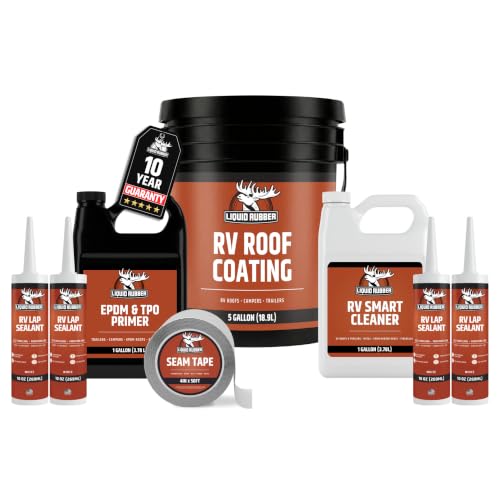
FLEXIBLE WATERPROOF MEMBRANE: Our professional-grade RV roof sealant creates a flexible seal, preventing leaks and water damage while maintaining flexibility in all temperatures - perfect for travel trailers, campers, pop up campers, rv’s, and for keeping your trailer’s interior dry all year long

HOME OR BUSINESS USES - General repair, sealing hot and cold air ducts (excellent HVAC tape), duct insulation systems, sealing aluminum, stainless and plastic seams or joints, temporary repair of metal surfaces, copper pipe fixing, and protects and extends durability to a HEXAYURT SHELTER or HEXAYURT TAPE.
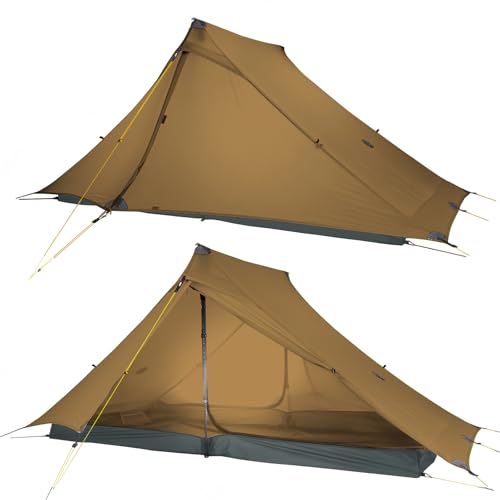
ULTRALIGHT BUT DURABLE: Weighing at only 1.74 pounds for 1 person LANSHAN 1 PRO tent and 2.21 pounds for 2-person LANSHAN 2 PRO tent. LANSHAN PRO tent is 0.5-0.6 pounds less than the Lanshan while providing you with the same protection. Compact in size allows your backpack to be smaller and lighter in overall size and weight. Small packed with 13.8in*5.9in, so you can carry it easily on backpacking or camping trips
Key Differences Between Taped and Sealed Seams

Ever stood in the pouring rain, hoping your tent holds up? It’s a real worry for campers! When it comes to keeping your tent dry, knowledge about seams can make all the difference. Let’s break down the differences between taped and sealed seams so you can make an informed choice.
Taped seams are pretty straightforward. They use waterproof tape applied underneath the sewn seams, blocking water from getting in. A lot of the time, this tape is applied in the factory, giving your tent a nice, clean look. On the flip side, sealed seams involve covering the seams with glue or sealant to form a waterproof barrier. It’s like adding an extra layer of protection where water might sneak through.
Here’s the thing: fully taped seams are the gold standard. They cover all seams and provide maximum waterproofing. If you’re planning to camp in heavy rain, this is what you want. Critically taped seams, however, just seal the key stress points. They offer a nice balance between being flexible and durable, which can be really helpful in various camping situations.
So, why does this matter? Well, if you’ve got an older tent, seam sealing can be a lifesaver. It helps prevent leaks through those stitching holes that can develop over time.
Keep in mind the fabric type when deciding between taped and sealed seams. Taped seams usually do better on heavier materials. If you want your tent to last through the elements, pick your seams wisely.
Additionally, choosing materials with lightweight and breathable fabrics can enhance your overall outdoor experience by improving comfort and durability.
In a nutshell, understanding the seam differences can lead to dryer, more enjoyable camping trips. Which kind of seam do you think fits your camping style better?
Recommended Products

Premium Metal Carport: Thickened galvanized metal roof has strong snow bearing capacity: 10 PSF, which is suitable for year-round outdoor use.We have matching seam taped for connection part of each roof panel to prevent water leaking
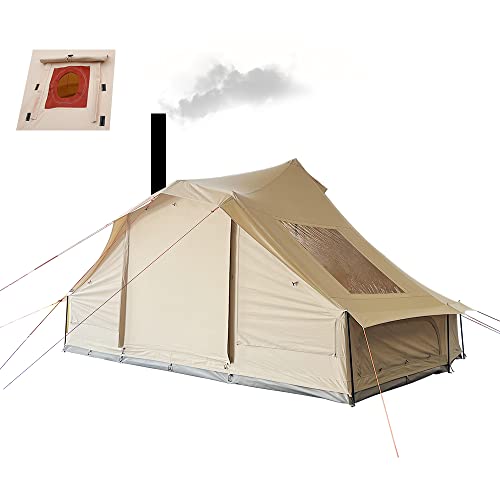
【DIMENSION: 】height-9.84ft(300cm), floor-16ft x 15ft(490*460cm), door-6.5ft x 6.5ft(200x200cm). It's high enough to make you stand upright and walk around in this cabin tent.

PRESS POLISHED GLASS - MasterTop uses Press Polished ultra-clear windows that are DOT compliant. Unlike "Rolled" glass, these windows do not distort your view and the 40 mil thickness ensures the glass lasts longer
Choosing the Right Seam Type for Your Gear
Choosing the right seam type for your gear is super important if you want to stay dry and comfy during your outdoor adventures. Think about the weather conditions you’ll be facing. Do you expect extreme rain or snow? If so, gear with fully taped seams is your best bet. It seals every seam and creates a strong waterproof barrier, keeping you protected.
But what if the forecast isn’t so harsh? If you’re dealing with milder weather, you might find that critically taped seams offer solid performance without breaking the bank. These seams focus on key stress points, so you won’t have to sacrifice too much comfort for cost.
When it comes to tents, don’t overlook seam sealing. This little extra step can keep leaks out and will help your tent last longer over time, though it does require some maintenance. It’s good to remember that taped seams use factory-applied polyurethane film, while sealed seams rely on user-friendly glue or sealant. So, which one will work best for you?
Ultimately, making informed decisions about seam types can make a huge difference in how effective your waterproof protection is during adventures. Additionally, choosing gear with taped seams and waterproof ratings above 20,000mm can ensure superior protection against harsh outdoor elements. What’s on your outdoor agenda next?
Recommended Products

DAKINE: Since 1979, DAKINE has built athlete-proven outerwear that blends mountain performance, durability, and purpose-driven design—trusted by snowboarders, skiers, and adventurers worldwide

Marmot NanoPro for reliable waterproof and breathable protection

Advantages of Taped Seams for Your Gear
Are you tired of your outdoor gear falling short when the weather turns nasty? Taped seams might just be the solution you’re looking for. They seal up your gear’s seams with a polyurethane film that’s heat-bonded, making it tough against water. This isn’t something you have to worry about doing yourself; it’s all set up right at the factory for you.
So, what do fully taped seams really bring to the table? First, they offer top-notch waterproof protection. If you’re planning on tackling some serious rain or snow, this feature is a must-have. And let’s talk durability for a moment—these taped seams work wonders on heavier fabrics, which means your gear can take a beating in tougher conditions and still hold up well. It’s like giving your gear a better fighting chance against the elements.
Here’s the trick: with taped seams, maintenance becomes a breeze. There’s no need to keep reapplying sealants, which not only saves you time but helps your gear last longer. Frankly, investing in gear with taped seams means you can focus on your adventure instead of worrying about leaks and dampness. Additionally, seams that are well sealed are essential for achieving a high waterproof rating that keeps moisture out effectively.
Recommended Products

Wind- and water-proof breathable shell with taped seams

Wind- and water-proof breathable shell with taped seams

STYLE: Draw cord System in Front Hand Pockets and hook inside cuff for gloves
Impact of Taped vs. Sealed Seams on Performance?
When you’re out enjoying the great outdoors, there’s nothing worse than dealing with leaks in your gear. That’s why understanding the difference between taped and sealed seams is so important. Taped seams work by sealing off those tiny holes made from stitching with a waterproof polyurethane film. This helps keep moisture from coming in. On the flip side, seam sealing applies a layer of glue or sealant to the seams, giving an extra level of protection, which can be especially useful for older tents that might be showing some wear.
So, what’s the real difference in performance? Well, it really depends on the fabric you’re working with. Taped seams are often better on heavier fabrics (think 68 Denier and up). You might find that lighter materials struggle to stay waterproof over time. Fully taped seams are your best bet for maximum waterproofing, while critically taped seams focus on those key stress points that take the most wear and tear.
Here’s the trick: when you’re picking out gear, consider what conditions you’ll be facing and how often you’ll be using it. This choice impacts not just how durable your outdoor gear will be but also how well it’ll perform against harsh weather. Want your gear to last? Make an informed decision on seam types for the best results. Additionally, jackets with fully taped seams and durable water repellent (DWR) treatments offer superior protection against moisture over time.
Maintenance Tips for Taped and Sealed Seams
Are you tired of finding leaks in your outdoor gear after a rainy day? You’re not alone. Taking care of taped and sealed seams is crucial for keeping your camping equipment waterproof.
Make it a habit to inspect those seams, especially after they’ve been exposed to moisture. You might spot signs of wear or damage that need attention. Keeping things clean is super important too; use a gentle soap and water solution to wash the area before applying any sealant. This will make it easier for the sealant to stick and do its job.
If your taped seams look a little worse for wear, it’s time to re-tape them. Trust me, using high-quality seam tape is key to maintaining performance. You’ll want to apply seam sealant to the fabric’s underside, making sure to cover those stitching holes completely—this really reinforces the waterproof barrier.
Here’s another tip: how you store your gear matters. Make sure to keep your tents and other equipment in a dry, cool place. Humidity and heat can really speed up the degradation of both seam tape and sealant. Using fabrics with fully taped seams can dramatically improve your gear’s resistance to leaks over time.
Frequently Asked Questions
What Do Taped Seams Mean?
Taped seams refer to waterproof technology used in outdoor gear, where seam finishes involve adding tape to stitching. This enhances weather resistance and seam durability, ensuring ideal garment performance across various material types and fabrication methods.
What Do Sealed Seams Mean?
Sealed seams enhance seam durability by using waterproof materials and innovative fabric technology. This technique maintains seam integrity in outdoor gear, like hiking jackets and sports apparel, through effective manufacturing processes and advanced stitching techniques.
What Are the Three Types of Seams?
When it comes to seam types, we’ve got plain, flat-felled, and French seams! Each one’s a sewing technique marvel, tailored for durability factors, comfort levels, and even those tricky design considerations for various fabric weights.
What Is Seam Taping?
Seam taping involves applying materials like polyurethane film to enhance waterproofing, especially for outdoor gear. Its benefits include durability and effective sealing. We appreciate its applications in tents and even in fashion through innovative techniques.


