As an Amazon Associate, we earn from qualifying purchases. Some links on this site are affiliate links at no extra cost to you. Our recommendations are based on thorough research and editorial judgment.

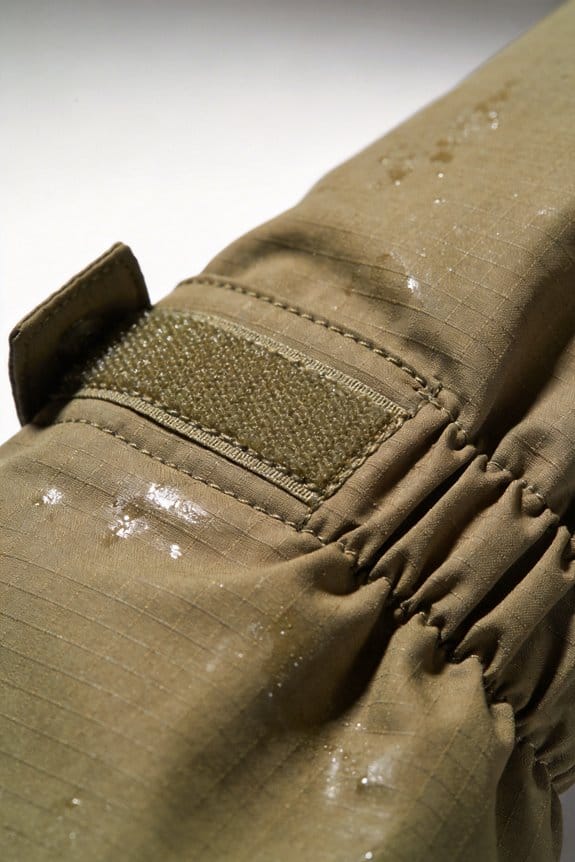
The Rise of Technical Workwear: Blending Durability With Performance

Have you ever tried to navigate a tough workday in clothes that just can’t keep up? It can be pretty frustrating when you’re juggling comfort, durability, and performance all at once. That’s where technical workwear comes in. These aren’t just your run-of-the-mill clothes; they sneak in some serious tech to help you get through your day.
What you’ll love about these garments is the advanced materials. Think of tough stuff like Cordura and Dyneema, which are made to last. You’ll also find they’re tailored for movement, so you won’t feel restricted while you’re on the job.
If you’re worried about staying fresh, many of these pieces include moisture-wicking and antimicrobial features that not only keep you cool but also help fight odors.
The best part is that some pieces come with built-in safety sensors. These little gadgets can actually track important signs, offering you an extra layer of protection. Pretty cool, right?
So, why does this matter? With the right workwear, you’re not just investing in clothes; you’re investing in your comfort and safety while you work.
If you’re looking to step up your work wardrobe, consider checking out options that fit your job requirements. The right choices can make a big difference in how you feel throughout the day. Honestly, it’s worth taking a closer look at what’s available on the market.
In a nutshell, blending your need for durability and performance can lead to a much better work experience. Have you tried technical workwear yet, or is it something you might want to explore?
Key Takeaways
- Technical workwear has evolved from basic essentials to stylish, ergonomic garments that enhance durability and comfort in demanding environments.
- Advanced materials like Cordura and Dyneema provide superior durability, while flame-resistant fabrics ensure safety in high-risk occupations.
- Ergonomic designs prioritize freedom of movement and posture, reducing fatigue during long work shifts.
- Innovations in wearable technology enable real-time monitoring of health metrics for enhanced worker safety and comfort.
- Sustainability is a growing trend, with eco-friendly materials and manufacturing methods being incorporated into modern technical workwear.
The Evolution of Workwear: How Technical Fashion Has Changed
What’s the deal with workwear these days? It used to be all about just getting the job done, right? But now, there’s so much more to it than just function. Today’s workwear doesn’t just hold up; it looks good doing it.
Think about the fit: ergonomic designs are the norm now, which means you’ll have way more freedom of movement while you’re on the clock. No one wants to be stuck in clothes that feel restrictive. Plus, advanced fabrics like moisture-wicking and odor-resistant materials are a huge plus. They help keep your clothes fresh, adding to their lifespan—so it feels like your clothes are really working for you.
And let’s not forget about high-visibility gear. Gone are the days of boring, bright orange outfits. Now, you can find vibrant designs that still meet safety requirements. You can stand out while staying safe without sacrificing style.
Sustainability is also a big deal in the world of workwear. More brands are leaning into eco-friendly materials and methods, which is a win for both you and the planet. We all want to feel good about what we’re wearing, right?
Incorporating moisture-wicking and quick-dry fabrics into workwear enhances comfort and performance during long hours, much like advances seen in travel and outdoor pants.
In short, workwear has transformed from basic function into a stylish, durable choice that’s also smart for the environment. So, why does this matter? Because when you look good and feel comfortable at work, you’re more likely to showcase your best self. Are you ready to upgrade your work wardrobe?
Key Benefits of Technical Workwear: Durability Meets Performance
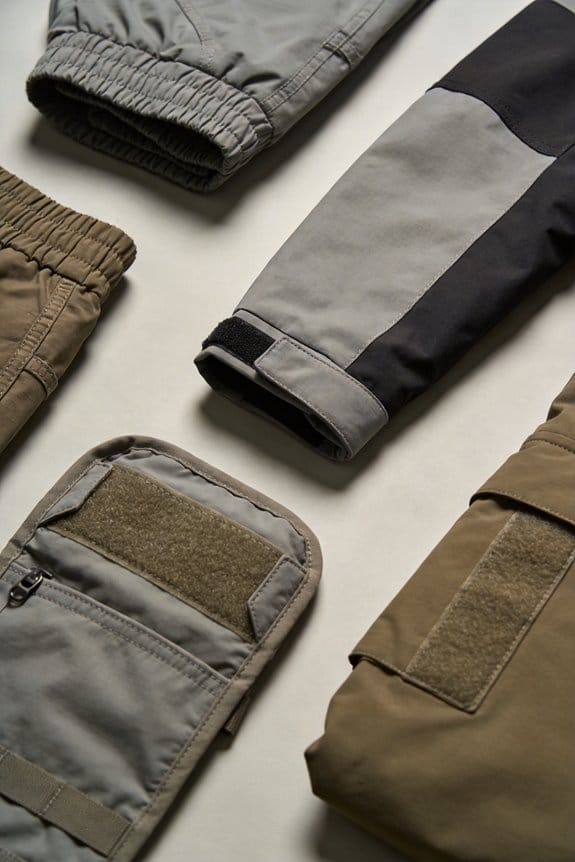
Have you ever found yourself working long hours in tough conditions, and wished your clothing would just keep up with you? Technical workwear can really make a difference. It’s designed to endure, which means you can focus on your job instead of worrying about your gear.
The materials used in this kind of workwear are no joke. Think Cordura and Kevlar® – these fabrics are tough and set to handle the rigors of demanding jobs. You’ll appreciate how they enhance both durability and safety. Imagine not having to constantly replace your work clothes because they just can’t take the heat anymore; it saves both time and money.
Comfort is also a big deal with technical workwear. Moisture-wicking fabrics are lifesavers, especially during those long shifts when you’re working up a sweat. You need to feel cool and breathable, right? And those ergonomic features, like stretch panels, really help you move around freely. They support better posture too, which can reduce fatigue when you’re working hard.
So, why does this matter? Well, it’s crucial for keeping you safe at work. Some of these advanced garments even have built-in safety sensors. They monitor hazards in real-time by tracking vital signs such as heart rate and body temperature. That’s a pretty neat way to enhance your safety while you’re on the job.
Don’t overlook additional benefits like anti-abrasion and anti-UV protection. These features ensure that you’re protected from various industrial hazards. The best part is, you’re not just getting something that lasts; you’re investing in a level of performance that keeps you safe and comfortable.
Many technical workwear designs now incorporate functional pockets to add convenience and practicality during work.
In short, if you’re spending your days in tough work environments, consider technical workwear. It’s the smart choice for durability and performance. What’s holding you back from making the switch today?
Innovations in Fabric Technology: How Advanced Materials Are Driving Change
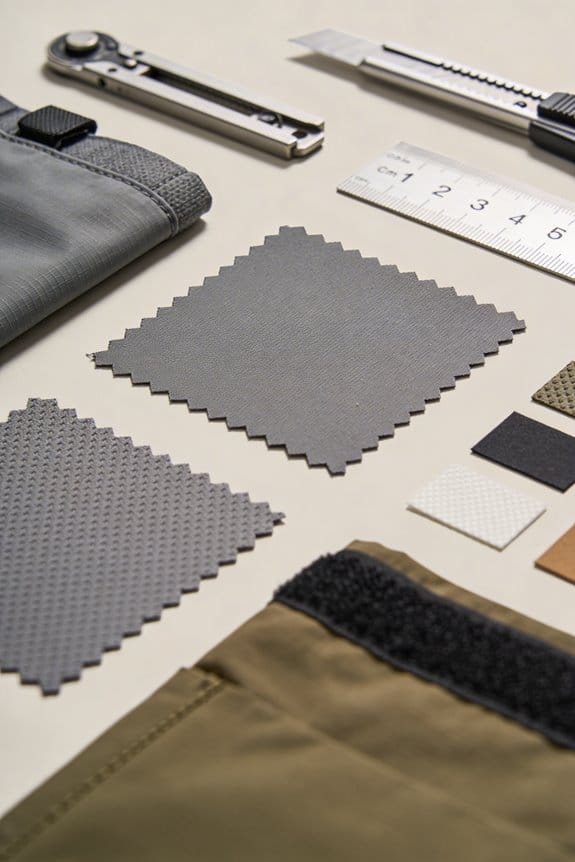
Have you ever found yourself uncomfortable at work just because of what you’re wearing? It’s a real struggle. Luckily, fabric technology has come a long way, and it’s actually changing how we think about workwear.
You might have heard of materials like Cordura and Dyneema. These aren’t just fancy names; they enhance durability and comfort, making a real difference in long workdays. Performance-driven fabrics, like flame-resistant and cut-resistant options, can keep you safe when things get tricky. With so many potential hazards in the workplace, how can you afford not to consider your safety gear?
There are some innovative textiles out there too, featuring antimicrobial properties like silver-ion technology. This is especially helpful in healthcare settings, where hygiene is crucial. And if you want to take it a step further, smart fabrics with biometric sensors can even monitor workers’ health in real-time.
On the sustainability front, eco-friendly materials like recycled polyester and biodegradable blends are worth a look. These are crucial to support sustainability in our industry, and using them gives you peace of mind alongside performance.
Just as outdoor apparel incorporates breathable and moisture-wicking fabrics for comfort, technical workwear is adopting similar materials to enhance wearability during demanding tasks.
Embracing these advancements in fabric technology isn’t just about staying comfortable. It aligns your workwear with the modern demands and values we all care about. So, why not give your work attire an upgrade?
How Ergonomic Design Enhances Comfort and Functionality
Have you ever felt drained after a long day at work? It’s frustrating when your clothes feel stiff and don’t let you move freely. That’s where ergonomic design comes in. It’s all about making sure your workwear fits right and supports you instead of holding you back.
Look for clothing that’s tailored and made with stretchy materials. These help you maintain good posture, which can keep you comfortable for hours. Some key features to keep an eye out for include:
- Reinforced joints for extra strength.
- Breathable linings to keep you cool.
- Flexible fits that move with you.
These elements not only boost your mobility but also add durability. You may find that, with the right choices, you can work longer without feeling as tired.
Speaking of comfort, consider fabrics that wick away moisture and resist odors. They can make a huge difference, especially during those demanding shifts. It’s not just about looking good; smart workwear can actually help lower the chances of workplace injuries. So, you’re reducing strain on your body while you tackle your tasks.
Here’s the trick: when you’re choosing workwear, think about how it feels during a busy day. With ergonomic designs in your corner, you can enhance both comfort and functionality every step of the way. Choosing pants with gusseted construction can especially improve mobility and reduce seam stress.
In the end, making smart choices in your workwear can really pay off. What comfort features are you looking for in your next outfit?
What Wearable Technology Brings to Workwear Performance?
Have you ever wondered how wearable technology can make workwear safer and more comfortable? It’s really interesting to see how this tech is changing the game across industries. For instance, safety sensors can keep an eye on things like your heart rate and fatigue levels. That’s huge for protecting workers, right?
Then there are smart textiles that adapt to temperature. If you’ve ever worked in extreme conditions, you know how important comfort is for performance. When you’re not sweating bullets or freezing, you can focus better on your tasks.
Think about it: real-time monitoring features in connected clothing mean you can track your physical parameters as you work. This way, if something seems off, you can respond quickly. Does that sound like a smart idea?
For those in medical fields, certain fabrics come with antimicrobial properties that minimize bacterial growth. That’s a straightforward way to boost hygiene in places where it’s crucial.
One of the best parts of integrating IoT in workwear is the valuable data it provides. This info can lead to better working conditions and keep everyone safer on the job.
Additionally, using water-resistant fabrics helps maintain comfort and protection by keeping workers dry in challenging environments.
Sustainability in Technical Workwear: Our Commitment to the Planet
Have you ever thought about the clothes you wear while working? It’s easy to overlook how our choices impact the environment, but that’s changing. These days, many people are becoming more aware of sustainability, and it’s about time we consider what goes into our workwear.
Here’s a real tip: You can find work clothes made from recycled polyester and organic cotton. This little swap can help reduce your footprint on the planet. Brands are also starting to use eco-friendly production methods. This means they use less water and fewer chemicals to make the textiles we wear every day.
And what about materials? Some companies are integrating innovative options like bio-based Dyneema® and 30% Bio-MEG. This might sound fancy, but it simply means fewer carbon emissions compared to the regular materials like virgin PET. Have you ever wondered how your choices can create a ripple effect?
Supporting circular economy initiatives is another way to make a difference. Look for brands that offer recycling programs or take-back options—that’s another smart move to help reduce waste. Customers are starting to expect this kind of accountability from companies, and they’re right to do so.
Truth is, sustainability isn’t just a passing trend; it’s becoming a necessity. You deserve workwear that not only performs well but also aligns with caring for our planet. By making thoughtful choices, you’re part of the change for a better tomorrow. Furthermore, selecting workwear with durable materials ensures longer use, reducing the need for frequent replacements and minimizing waste.
Industry-Specific Applications of Technical Workwear: Tailored Solutions
What do you wear when your job demands both safety and comfort? Technical workwear is designed to tackle this challenge head-on, offering you tailored solutions for different industries.
For those in construction, it’s crucial to have gear that meets safety regulations while standing up to the elements. You’ll find high-visibility fabrics and reinforced stitching that help ensure you’re seen and stay safe on the job site. In the healthcare field, comfort is key. Moisture-wicking and antimicrobial materials keep you feeling fresh—even during long shifts when you’re on your feet.
If manufacturing is your gig, you want flame-resistant fabrics that don’t restrict your movement. Think ergonomic designs that allow for better flexibility while keeping you safe. Retail and hospitality workers, on the other hand, often need something more fashion-forward yet functional. Look for options with anti-wrinkle and stretchable materials that strike that perfect balance between looking professional and feeling comfortable.
Logistics jobs have their own unique requirements. Some garments even come with safety sensors to track body temperature and fatigue. This tech helps ensure you’re performing at your best—safety really matters in those fast-paced environments. Choosing workwear made from breathable fabrics can enhance comfort by managing sweat effectively in demanding conditions. So, why does this matter? Knowing what to look for in technical workwear can make a big difference in your daily experience at work.
The best part is, no matter where you work, there’s technical gear out there to meet your needs. Remember to assess what’s essential for your job, and you’ll find the right pieces. Are you ready to upgrade your workwear to fit your unique demands?
What’s Next for Technical Workwear? Trends to Watch
What if your work clothes could do more than just keep you covered? The world of technical workwear is changing fast, and it’s all about making your life easier and safer on the job.
You might be hearing a lot about smart textiles soon. These aren’t just fancy fabrics; they come with biometric sensors and materials that can adjust to your body’s temperature, giving you comfort and safety when you’re working hard. Alongside this, ergonomic fits and stretchable materials are becoming the norm, promoting better posture and, in turn, boosting productivity.
Sustainability should be on your radar too. There’s a big push for using recycled and biodegradable materials in workwear, which is not only good for the planet but also ideal for long-lasting use. Honestly, wouldn’t it be great if your clothes could clean themselves? Well, innovations like self-cleaning and self-repairing fabrics are coming our way, cutting down on maintenance and extending the lifespan of your outfits.
Now, let’s not forget about technology. Imagine wearing a work shirt that has built-in safety sensors connected to the Internet. This integration could aid in real-time monitoring and performance measures, changing how we approach safety in the workplace. So, why does this matter? Because it sets higher standards for what we should expect from our workwear.
Additionally, just as water aerobics apparel prioritizes durability and longevity to withstand frequent use, technical workwear is evolving to combine robust materials with high performance for everyday demands.
How to Choose the Right Technical Workwear for Your Needs
How can you find the right technical workwear for your specific needs? It really starts with understanding what your job demands. Depending on your role, you might need clothes that wick away moisture, are high-visibility, or even flame-resistant. Don’t overlook the importance of good reviews and size guides either—comfort is key to keeping you productive on the job.
When you’re shopping, think about the fabrics that breathe well and stand up to wear and tear. If safety is a priority, look for workwear that incorporates the latest protection technologies. So, why does this matter? Because the right gear can not only keep you safe, but it can also make your workday a lot more comfortable.
Also, shopping with a focus on sustainability can pay off. Brands that choose eco-friendly materials often have better performance and a smaller impact on the planet. The best part is you can often find customizable options that fit various body types, which can really make a difference in your daily comfort.
Wrap all that up, and you’re on your way to finding workwear that truly fits your needs. And remember, verified compliance certifications are crucial to ensure your protective gear meets safety standards. So, what are you waiting for? Make your work routine a little easier by picking the right gear for you.
Frequently Asked Questions
How Do I Properly Care for Technical Workwear Garments?
To care for our technical workwear, we need to follow proper fabric care. Always pre-treat stains, use gentle washing techniques, air-dry when possible, and store in a cool, dry place to guarantee longevity.
What Are the Ideal Uses for Technical Workwear Outside Traditional Settings?
We can wear technical workwear for outdoor adventures, travel excursions, urban exploration, DIY projects, and recreational activities. After all, who wouldn’t want durability and style while conquering the world outside our front doors?
Can Technical Workwear Be Customized for Branding or Personal Style?
Absolutely, technical workwear can be customized with brand logos and unique designs to reflect personal styles. By blending fashion trends with performance features, we can create functional yet stylish attire for any occasion.
Are There Any Age Restrictions for Wearing Technical Workwear?
There aren’t age restrictions for wearing technical workwear. It suits various work environments, aligning with youth fashion and style trends while meeting safety standards. Its versatility appeal makes it a popular choice for all ages.
How Often Should I Replace My Technical Workwear Clothing?
While we aren’t living in the Stone Age, we should replace our technical workwear every 6-12 months, depending on wear frequency, usage signs, fabric longevity, maintenance schedule, and our budget considerations.


