As an Amazon Associate, we earn from qualifying purchases. Some links on this site are affiliate links at no extra cost to you. Our recommendations are based on thorough research and editorial judgment.

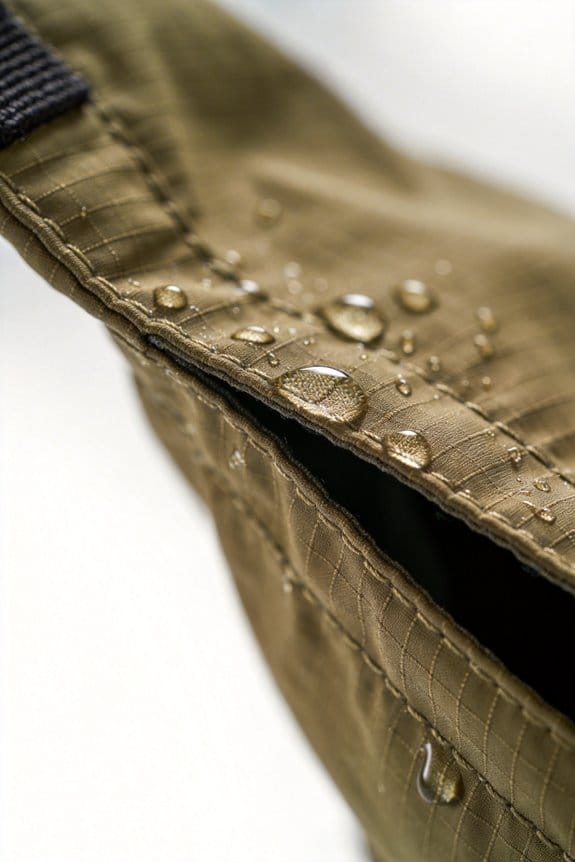
The Science of Moisture-Wicking: How Performance Fabrics Work

Moisture-wicking fabrics can be a lifesaver if you’ve ever felt the discomfort of a sweaty workout. Imagine this: you’re exercising hard, and instead of feeling drenched, you’re actually dry and comfortable. That’s the magic of moisture-wicking materials, usually made from synthetic fibers like polyester and nylon.
These fabrics use capillary action to draw sweat away from your skin, allowing it to evaporate quickly. The structure of the fibers is key here. Round fibers create channels that move moisture, while fibers with irregular shapes increase the surface area for better absorption. Plus, some manufacturers treat these fabrics with special chemicals that improve their moisture management.
Whether you’re sweating it out at the gym or enjoying a morning jog, these materials are perfect for keeping you cool.
So, how do you choose the right moisture-wicking fabric? First, consider the type of activity you’ll be doing. For high-intensity workouts, look for options with more breathability.
When caring for these fabrics, wash them in cold water and avoid fabric softeners—this helps maintain their moisture-wicking properties. Honestly, investing in a good moisture-wicking shirt or pair of shorts can make a big difference in your comfort level.
You might be surprised at how much better you feel during and after your workouts. The best part is, staying dry can also help enhance your performance.
Remember, it’s all about what works for you and finding those fabrics that suit your needs. Have you ever tried these types of fabrics? What did you think?
Key Takeaways
- Moisture-wicking fabrics, made from synthetic fibers like polyester and nylon, utilize capillary action to effectively move sweat away from the skin.
- The fiber structure in these fabrics, including rounded and irregular fibers, enhances moisture transport and quick evaporation during physical activities.
- Chemical treatments applied to the fabrics improve water repellency and odor control by altering their interaction with moisture.
- Unlike cotton, moisture-wicking fabrics dry faster, reduce bacterial growth, and minimize discomfort during workouts, enhancing overall performance.
- For optimal use, choose lightweight, snug-fitting moisture-wicking gear and follow proper cleaning and maintenance practices to maintain efficiency.
What Are Moisture-Wicking Fabrics and How Do They Work?
Have you ever finished a workout only to find yourself drenched in sweat, feeling sticky and uncomfortable? It’s a common problem for many of us, but moisture-wicking fabrics can make a big difference.
These fabrics are typically made from synthetic fibers like polyester and nylon, which have a unique way of managing moisture. They’re designed with hydrophobic properties that help pull sweat away from your skin through something called capillary action. Essentially, the hydrophilic fibers absorb moisture, while the hydrophobic ones push it to the surface where it can evaporate quickly.
Think about the fabric’s design too. Tighter weaves tend to hold moisture close, while looser weaves can improve airflow and help transfer moisture better. So, if you’re serious about comfort during exercise, consider what style of moisture-wicking fabric you opt for.
Here’s the trick: check for fabrics that have additional chemical treatments or blended fibers. These advancements in fabric technology have really boosted moisture-wicking capabilities. The best part is that they remain effective even after multiple washes, so you can keep feeling cool and dry during your workouts.
For optimal performance, choosing fabrics with quick-dry technology ensures moisture evaporates efficiently, enhancing overall comfort.
Why Does Capillary Action Matter in Wicking Fabrics?

When you’re pushing yourself in a workout, feeling sweaty can be uncomfortable. That’s where capillary action in wicking fabrics comes in handy. This process allows sweat to move through tiny channels in the fibers of your clothes, so it travels from your skin to the outer surface. This means you can stay drier and more comfortable while you work out.
Synthetic fabrics like polyester and nylon are designed with this capillary action in mind. They actually repel water while also helping moisture move away from your skin. You might not think about it, but those little channels in the fabric are doing a lot of heavy lifting! They help evaporate sweat quickly, which prevents you from feeling bogged down during your most intense moments.
Try this: when shopping for workout gear, consider fabrics that have low moisture regain. This means they won’t get waterlogged even when you’re sweating buckets during your activities. Instead, they’ll keep you feeling fresh and dry.
So, why does this matter? Imagine being in the middle of a run or a tough workout and suddenly feeling drenched. That’s not just annoying; it can distract you from your goals.
The best part is, with moisture-wicking technology, you can focus on your workout without worrying about feeling damp or uncomfortable. Frankly, nothing beats that feeling of freedom while you push through your fitness journey.
In short, finding the right wicking fabrics can make a big difference in how you feel while exercising. Next time you’re picking out your workout clothes, keep capillary action in mind! What’s your go-to fabric for those sweat sessions?
Additionally, synthetic materials like polyester and nylon are preferred because of their quick-drying properties, which enhance moisture management significantly during outdoor activities.
How Fiber Structure Influences Wicking Efficiency

When you’re working up a sweat, the last thing you want is that uncomfortable feeling of soaking wet fabric clinging to your skin. Ever wondered why some workout clothes seem to make that moisture disappear while others don’t? It all boils down to the structure of the fibers used in those clothes.
Round fibers tend to create straightforward channels that let moisture move easily. But if you really want to kick it up a notch, look for irregular or multi-lobed fibers. These fibers not only have a larger surface area but also create more intricate paths for moisture to travel. That’s why the weave of the fabric matters too. If you opt for looser weaves, you’re allowing better capillary action, which means more efficient moisture wicking compared to tighter weaves that can trap sweat.
So, what’s the deal with fiber types? Hydrophilic fibers attract moisture, pulling it closer to help it evaporate faster. On the flip side, hydrophobic fibers do the opposite, pushing the moisture away. If you really want to maximize performance, blends of polyester and nylon can give you the best of both worlds—absorption and durability.
Another tip: thinner fibers can actually transport moisture quicker, which translates to faster drying times. If you’re often in and out of workouts, think about your fiber choices carefully. Choosing the right combination can really make a big difference in how you feel during and after your exercise.
Every little detail counts when it comes to gear that helps keep you dry and comfortable. So, next time you’re shopping for workout clothes, remember these tips. What do you look for in your activewear?
Additionally, many synthetic hiking shirts incorporate moisture-wicking fabrics like polyester or nylon to ensure dryness during outdoor activities.
How Chemical Treatments Boost Wicking Power
Have you ever finished a workout only to realize your clothes are drenched in sweat? It’s super uncomfortable and can really put a damper on your post-gym plans. That’s where the science behind moisture-wicking fabrics comes in, and it’s pretty cool.
Chemical treatments can seriously boost how well your workout gear performs when it comes to staying dry. These treatments change the way the fabric interacts with water, making it more repellent. Think about it: when your gear can push sweat away instead of soaking it in, you’ll feel way more comfortable during those intense sessions. Plus, they can lower how much moisture synthetic fabrics like polyester absorb, helping keep you light and dry.
Here’s the trick: advanced treatments create a capillary effect, which helps sweat move faster away from your skin. Some fabrics even get extra treatments that fight off bacteria, which means controlling odor during those long runs or gym classes. So, why does this matter? It’s all about finding gear that not only performs well but feels good too.
When you’re shopping for workout clothes, keep these enhancements in mind. Sure, it might take a little extra time to check labels or do some research, but it’s worth it to invest in gear that supports you in your fitness journey. The best part is, with the right fabric, you can stay focused on crushing your goals instead of worrying about how you smell or feel.
In addition, selecting fabrics with high breathability ratings ensures moisture escapes efficiently, which enhances comfort during prolonged activity.
In the end, choosing the right moisture-wicking fabric is key to a better workout experience. So, what’s stopping you from looking for those smart fabric choices next time you shop?
Recommended Products

CUSTOM PRINT YOUR LOGO, NAME, OR DESIGN - Personalize this dry-fit performance t-shirt with your company logo, business name, team name, slogan, or custom text. Professionally DTF-printed with vivid, long-lasting color that won't crack or fade wash after wash. Perfect for company uniforms, sports teams, events, and personalized gifts.

DTF DIRECT-TO-FILM CUSTOM PRINT - Personalize this long sleeve performance shirt with your company logo, business name, team name, slogan, or custom text using our advanced Direct-to-Film (DTF) printing technology. Vivid, long-lasting color that won't crack or fade wash after wash - perfect for company uniforms, sports teams, events, and personalized gifts.

Overview: This is a long-sleeved thermal base layer top for men, designed with a quarter zip for versatile wear; ideal for warmth and comfort during outdoor activities.
Benefits of Moisture-Wicking Fabrics for Athletic Performance
Choosing the right clothes for your workouts can make a big difference in how you feel and perform. Ever notice how uncomfortable it gets when sweat clings to your skin? Moisture-wicking fabrics can help with that. They do an amazing job at managing sweat by pulling it away from your body, which can help you avoid annoying blisters and chafing that can sidetrack you from hitting your goals.
So, what’s the deal with these materials? Fabrics like polyester and nylon dry a lot faster than cotton. This means whether you’re running on a hot day or hitting the gym in a humid space, you can stay comfy. And don’t forget about temperature control. Moisture-wicking textiles help keep your body cool, preventing you from overheating during those intense workouts.
There’s also the hygiene factor. Truth is, these fabrics help reduce bacterial growth, which means less odor when you’re sweating it out. Who doesn’t want to feel fresh while training? It’s such a relief not to worry about smelling after a good sweat session.
When you’ve got the right gear, you can truly focus on improving your performance and enjoying your fitness journey. Choosing fabrics with moisture-wicking capability ensures sweat is pulled away effectively to regulate your temperature and keep you dry. So next time you shop for workout clothes, consider adding some moisture-wicking options to your wardrobe. What’s your go-to fabric for workouts?
Recommended Products

Sustainable Fabric: 95% recycled polyester, 5% elastane

UA Base 4.0 Extreme Baselayer is our warmest yet, delivering extreme warmth in the extreme cold

NB DRY fast-drying technology wicks moisture away from your body to help you work out with ease
Synthetic vs. Natural Wicking Fibers
When you’re sweating it out, whether at the gym or on a hike, have you ever noticed how some clothes make you feel like you’re in a sauna? The fabric you choose can make all the difference. Here’s what you need to know about moisture-wicking materials.
Synthetic fibers such as polyester and nylon are popular for a reason: they work fast. These fabrics pull moisture away from your skin and dry incredibly quick—often in under 15 minutes. So, if you’re in a hot spot, they’re a solid choice. But, they come with another twist: they don’t absorb water because of their hydrophobic nature. This can be a blessing when you’re trying to stay dry.
Now, let’s talk about natural fibers. Merino wool, for example, is a unique player in the moisture-wicking game. It wicks moisture effectively by having hydrophobic surfaces and hydrophilic interiors, which help keep you cool when the temperature rises. Cotton? It tends to hold onto moisture, which isn’t great for an active lifestyle.
So, what’s the best way to combine the two? Consider trying blended fabrics that mix spandex, polyester, or wool. This combo often gives you better stretchability and moisture management, especially during intense workouts.
Truth is, picking the right moisture-wicking material can seriously impact your comfort and performance. You want to stay dry and focused, right? Next time you shop, keep these fiber differences in mind, and you might just find the perfect fit for your active life. Rash guards made from these fabrics typically feature quick-drying properties that enhance comfort during outdoor activities.
Recommended Products

LEGENDARY EXPEDITION HOODIE: 95% Merino Wool 5% Spandex means your hoodie is super soft and extremely comfortable. The best in easy care technology means your merino wool is machine washable and dryable. Maximum insulation and awesome style makes the Minus33 merino wool full-zip hoodie an essential part of your everyday go-to-gear.


Preserves your heat
The Drawbacks of Cotton in Athletic Apparel
Ever had that moment during a workout where your shirt feels like it’s drenched? If you’ve been relying on cotton for your athletic gear, you’re not alone, but it might be time to rethink that choice. While cotton may feel great for lounging around, it can seriously cramp your style when you’re trying to break a sweat.
So, what’s the deal with cotton? It absorbs moisture—up to 7% of its weight to be exact—which means your shirt stays soggy long after you’ve finished your run or workout. When this fabric gets wet, it loses its ability to keep you warm, making you feel colder and putting you at risk for hypothermia if you’re exercising in cooler weather. Unlike moisture-wicking materials that draw sweat away from your skin, cotton just traps it. This leads to a higher chance of chafing and blisters, which no one wants to deal with mid-workout.
And here’s another kicker: drying your cotton gear can take ages. It can take hours to dry, while synthetic fabrics can dry in under 15 minutes. That’s a huge difference when you’re trying to get ready for your next session. On top of that, cotton can encourage bacteria growth, which means you might end up smelling less than fresh during and after your workout.
For optimal performance, synthetic fibers like polyester and elastarell are preferred because of their superior moisture-wicking capabilities.
So, why does this matter? If you care about comfort, performance, and hygiene while you’re working out, it’s time to look for options that are specifically designed for that purpose.
Recommended Products
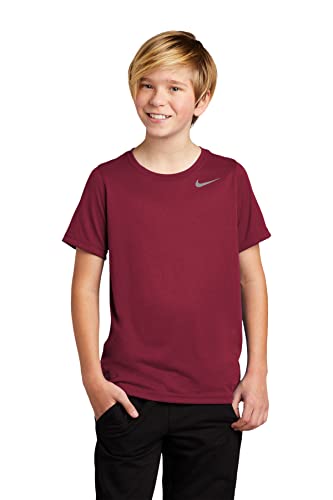

RISE TO THE OCCASION: Be ready to perform your very best with this women's shirt designed with stain release, odor-fighting and moisture-wicking technologies.

Classic Fit - A tailored cut inspired by sport ski style
Choosing the Right Moisture-Wicking Gear
Ever finish a workout drenched in sweat and wishing you’d picked better gear? It’s frustrating when your clothes stick to you and make it hard to focus on your routine. The right moisture-wicking gear can make all the difference in keeping you dry and comfortable.
Start by looking for lightweight materials like polyester or nylon. These fabrics do a great job of pushing moisture away from your body. You want performance materials that boast capillary action features, which help move sweat away from your skin and encourage evaporation. So, why does this matter? Staying dry means more comfort, allowing you to enjoy your workout rather than feeling weighed down.
When you’re selecting your gear, think about the kind of activity you’re doing. If you’re hitting the gym for a high-intensity session, polyester blends are your best bet; they do well in keeping moisture at bay. For outdoor adventures in cooler weather, consider merino wool, as it provides warmth while still managing moisture. And don’t forget about fit—make sure your gear is snug but still comfy. Tighter base layers improve moisture transfer, making your workout a lot more pleasant.
The best part is that making these small choices can seriously enhance your performance and overall experience. A little thought ahead of time can prevent discomfort later. So, next time you’re gearing up for a session, keep these tips in mind and get ready to tackle whatever workout comes your way!
How do you ensure your workout clothes are up to the task? It might be time to rethink your gear and set yourself up for success!
Recommended Products

UA Storm technology repels water without sacrificing breathability Wind-resistant bonded construction for lightweight protection Translucent bonded mesh membrane upper panel is light, stretchy, breathable & water resistant Cotton-faced lower panel is soft, stretchy, breathable & water resistant Built-in bill hood construction for added rain & sun protection Secure zip chest pockets Cuffs have a bonded face for a clean finish

DTF DIRECT-TO-FILM CUSTOM PRINT - Personalize this long sleeve performance shirt with your company logo, business name, team name, slogan, or custom text using our advanced Direct-to-Film (DTF) printing technology. Vivid, long-lasting color that won't crack or fade wash after wash - perfect for company uniforms, sports teams, events, and personalized gifts.
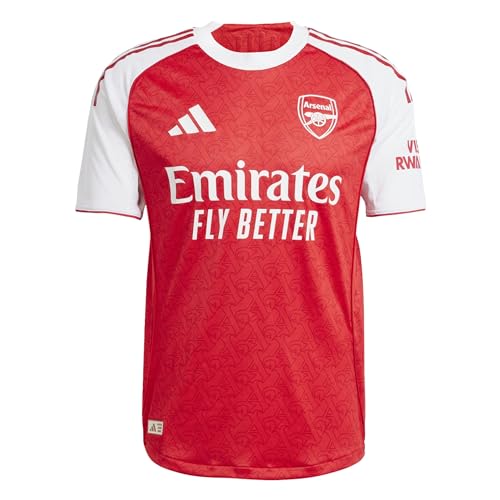
adidas Arsenal Home Men's Authentic Soccer Jersey 25/26 (US, Alpha, XX-Large, Regular, Regular, Red)
Authentic on-field version worn by professional players
Tips for Maintaining Moisture-Wicking Effectiveness
Are you tired of your moisture-wicking gear losing its effectiveness? It can be frustrating when your favorite workout clothes don’t perform like they used to. But there are some easy ways to keep them in top shape!
Start by washing your moisture-wicking fabrics in cold water with similar colors. It’s important to use a mild detergent because harsh chemicals can break down the material over time. And, here’s the thing: skip the fabric softener! It leaves a residue that messes with moisture management, making those clothes less effective.
When it comes to drying, air drying is the gold standard. If that’s not possible, using a dryer on low heat works too—just remember to protect that fabric! Keep an eye on the care labels as different moisture-wicking materials have unique needs.
So, do you tend to store your activewear haphazardly? Try keeping your garments in a cool, dry place. This can help prevent any moisture buildup that leads to mildew or odors. By following these simple tips, your moisture-wicking apparel will last longer and do its job well. Choosing shirts with quick-dry technologies also helps maintain comfort and effectiveness during use.
Frequently Asked Questions
Can Moisture-Wicking Fabrics Be Recycled?
Like a sturdy tree regrowing, moisture-wicking fabrics can be recycled through specific recycling processes. By embracing these practices, we can lessen environmental impact and promote sustainability, creating a healthier planet for future generations together.
How Do I Know if a Fabric Is Moisture-Wicking?
To know if a fabric’s moisture-wicking, look for moisture indicators like “wicking,” check fabric testing results, or consider its performance in sweat management. We can guarantee it keeps us dry and comfortable during activities.
Are Moisture-Wicking Fabrics Safe for Sensitive Skin?
Moisture-wicking fabrics can be safe for sensitive skin, but we’ve got to evaluate fabric composition differences. Testing methods for safety reveal some may cause reactions, so we should always choose wisely and test first.
Do All Performance Fabrics Wick Moisture Equally?
Not all performance fabrics wick moisture equally. We’ve noticed that different fabric types manage moisture levels variably, affecting overall comfort and performance. A careful performance comparison can help us choose the best option for our needs.
How Long Do Moisture-Wicking Properties Last?
Moisture-wicking properties typically last several washes, but we should consider fabric treatment durability and moisture retention lifespan. The effect of washing can diminish these properties, so proper care is essential for longevity.


