As an Amazon Associate, we earn from qualifying purchases. Some links on this site are affiliate links at no extra cost to you. Our recommendations are based on thorough research and editorial judgment.

Understanding Synthetic vs. Down Insulation for Hiking

When it comes to hiking, choosing the right insulation can feel like a tricky puzzle. Have you ever been out on the trail, feeling cold and damp, and wondered if there was a better option for your gear?
Let’s break down the differences between down and synthetic insulation to help you make the best decision for your next adventure.
Down insulation is a popular choice among many hikers. It’s super warm and packs down really small, which is great for saving space in your backpack.
But here’s the catch: down loses its insulation power when it gets wet. If you’re planning to hike in dry, cold weather, down could be your best friend. Just remember to keep it dry, or it won’t perform as well.
On the flip side, synthetic insulation is made from polyester fibers and has its own set of advantages. You don’t have to worry as much about moisture because synthetic insulation retains warmth even when damp and dries quickly.
This makes it a solid choice for those humid hikes. One downside is that it can be bulkier than down, but the comfort it provides in damp conditions makes it a worthy contender.
So, what should you choose? If you expect low temperatures and dry weather, down might be your go-to.
But if you anticipate sweaty hikes or unexpected rain, definitely reach for synthetic. Think about your typical hiking conditions and choose the insulation that best suits them.
To sum it up, down is best for cold and dry, while synthetic shines in the wet and sweaty. What’s your next hike looking like?
Key Takeaways
- Down insulation is ideal for cold, dry hiking conditions due to its lightweight and exceptional warmth-to-weight ratio.
- Synthetic insulation excels in wet or humid conditions, retaining most of its warmth even when damp.
- For high-intensity hikes, synthetic insulation is better, as it reduces moisture buildup and improves comfort.
- Down insulation requires specialized care to maintain its loft, while synthetic insulation is easier to clean and maintain.
- Budget-conscious hikers may prefer synthetic options, as they are more affordable and still provide effective insulation.
Comparing Down and Synthetic Insulation
When it comes to choosing the right insulation for your outdoor adventures, have you ever found yourself stuck between down and synthetic options? Down insulation is known for its impressive warmth and fill power, which can range from 650 to 1,000. It’s a fantastic choice if you’re gearing up for cold weather. But here’s the catch: when down gets wet, it can quickly lose its loft and warmth, leaving you feeling chilly.
Now, let’s talk about synthetic insulation. It’s like a trusty friend in damp conditions, retaining 80-95% of its insulation capabilities even when the weather isn’t cooperating. If you’re caught in the rain or sleet, synthetic gear can keep you warm when things get tough. Remember that while down is super lightweight and packs down to almost nothing, synthetic options tend to be a little bulkier.
You might be wondering about durability too, right? Honestly, both types have their quirks. Down jackets can tear easily, while synthetic gear may break down over time if you’re not careful. So, what’s the best choice for you?
Here’s the trick: consider where and how you’ll be using the insulation most. If you’re in a dry, cold environment, down might be the ticket. But if you’re venturing out in wet conditions, synthetic insulation could be your best bet.
To wrap it all up, both down and synthetic insulation have pros and cons. Think about the conditions you’ll face on your adventures. Are you more likely to encounter damp weather or dry cold? Making this decision can help keep you warm and comfortable on your outings. What’s your go-to choice for insulation?
Additionally, choosing waterproof materials is crucial to complement the insulation and ensure warmth and dryness in variable weather conditions.
Recommended Products

Down parka features added coverage and insulation for frigid outings

Model number: F84131-550

Durable recycled polyamide with a waterproof and breathable Hydratic liner.
What’s Inside Down Insulation?
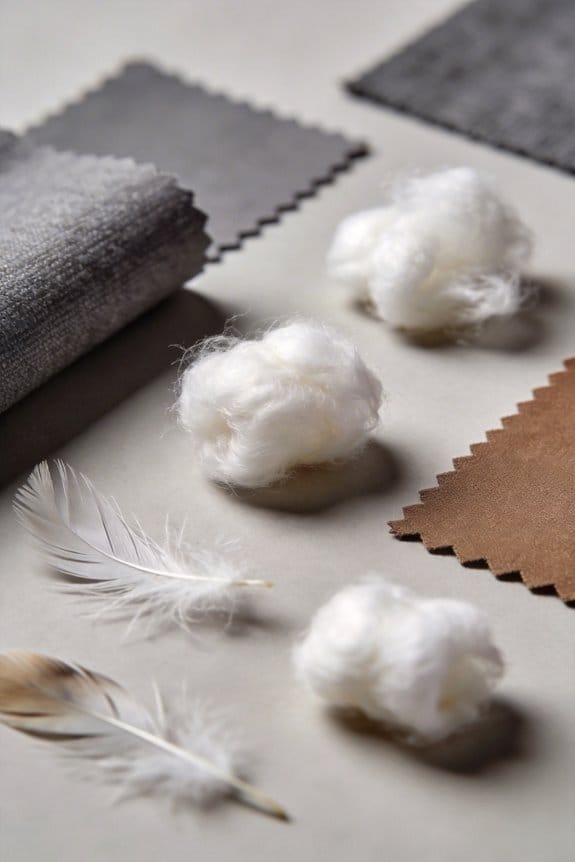
Ever wonder what’s really inside that cozy down insulation? It’s fascinating stuff that comes from the fluffy undercoats of ducks and geese. This soft material is what makes it such a popular choice for warmth and comfort in jackets and bedding.
When you dive into down insulation, you’ll come across something called fill power. This measures how effective the insulation is, usually ranging from 650 to 1,000. It indicates how much space one ounce of down occupies, which plays a big role in how warm you’ll feel. The best part? Down consists of clusters of fine feathers that trap warmth, forming an effective thermal barrier. This property is why down is often praised for its remarkable insulation and compressibility.
So, why does this matter? Unlike regular feathers that have long quills, down is super soft and fluffy. This lack of quills allows it to compress nicely, making it easier to pack away when you’re not using it. To keep your down items performing at their best, proper care is key. With a little attention, you can maintain its loft and insulating power for years to come. It really shines when you compare its warmth-to-weight ratio with synthetic options.
If you’re considering down insulation, just know that you’re investing in something that has stood the test of time for keeping folks warm. Truth is, it’s not just about staying warm—it’s about comfort and weight savings, especially in colder weather. Additionally, choosing ethically sourced down ensures higher quality insulation and moisture resistance. What do you think—are you ready to give down a try?
Recommended Products

PREMIUM WARMTH & COMFORT – The OBERMEYER Womens Resort Warm Outdoor Ski Snowboard Katze Suit One Piece features 550 fill power duck down for unmatched insulation in cold weather.

WATERPROOF WINTER JACKET: Bringing you the warmest and waterproof winter protection, this insulated parka keeps the heat lock inside and snow out. With its insulated hood, your head and ears wouldn’t feel the winter chill.

UNIQUE STYLE & PERFORMANCE – Experience unmatched warmth and style with the OBERMEYER Womens Resort Warm Outdoor Ski Snowboard Circe Down Jacket in Black, designed for ultimate winter comfort.
How Does Synthetic Insulation Work?
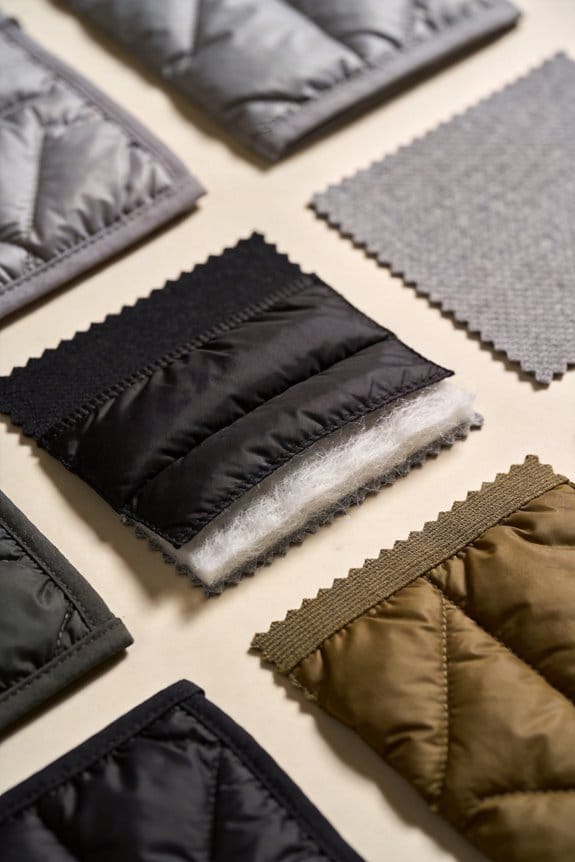
Have you ever found yourself freezing while out in the cold, only to realize your jacket isn’t doing much to keep you warm? That’s where synthetic insulation can come to the rescue. It uses specially designed polyester fibers that mimic the fluffy structure of natural down, helping trap air and retain heat effectively.
What’s really cool about synthetic insulation is how it holds up even when damp. If you get caught in the rain, this stuff can still manage to keep you warm, retaining about 80-95% of its insulating power when wet. So, why does this matter? It means you don’t have to worry as much about getting chilly when the weather takes a turn.
When choosing a jacket or gear, look for brands like ThermoBall or PrimaLoft. They really excel at creating materials that are not only warm but also breathable. You know how uncomfortable it can be to feel all sweaty after a hike—this insulation helps keep you from overheating while still being cozy. Not to mention, synthetic materials dry way faster than down, which is a big plus for those lively outdoor adventures.
Here’s the trick: if you’re after something that can withstand various weather conditions without losing its insulating properties, synthetic insulation is a solid choice. You’ll benefit from both its water resistance and reliable warmth on those chilly mornings. Additionally, many synthetic insulated layers feature moisture-wicking capabilities to keep skin dry and comfortable during active use.
Pros and Cons of Down Insulation
Ever find yourself shivering on a chilly hike? If you’re in the market for some serious warmth without the weight, down insulation might catch your attention. It’s super lightweight and packs a serious punch when it comes to keeping you cozy. High-quality down is known for its incredible warmth-to-weight ratio. You’ll notice it holds its shape and insulation properties over time, which is a real bonus for those long treks.
But let’s be real for a second—down isn’t all sunshine and rainbows. One major drawback is its performance in wet conditions. If your gear gets damp, down can lose its insulating power pretty quickly. That’s not something you want to deal with when you’re out in the elements. Plus, cleaning and taking care of down gear can be a little tricky. Unlike synthetic options, which you can throw in the wash without a second thought, down requires more specialized care.
Still, for those willing to navigate the care and wet weather quirks of down insulation, it can be a fantastic choice thanks to its durability and long-lasting warmth. When selecting hiking pants or gear, considering waterproof materials can help mitigate down’s moisture issues in wet climates. So, what’s the take-home here? Weighing both the pros and cons can help you decide what’s the best fit for your hiking adventures. Are you ready to make a thoughtful choice for your next trip?
Recommended Products

The iconic Expedition Down Jacket with an updated fit.

Made from G-1000 and padded with ethically produced down.

Pure Goose Down Fill: Premium natural down delivers exceptional lightweight loft and luxurious softness for high-end bedding applications
Pros and Cons of Synthetic Insulation
When you’re out there hiking and the temperatures drop, choosing the right insulation can be a real challenge. Synthetic insulation is something worth checking out. This material keeps you warm even when it’s wet and humid, holding on to about 80-95% of its thermal properties. Unlike down insulation, it doesn’t soak up moisture and dries much quicker, making it easier to clean and a solid option for those damp conditions we all hate.
So, why does this matter? If you’re looking for something budget-friendly, synthetic insulation could be your go-to choice. It’s perfect for hikers who don’t want to shell out big bucks for high-performance gear. You’ll find it’s usually bulkier and heavier than down options, but that comes with a perk. Its durability means it’s more resistant to snags and tears, which is essential when you’re navigating through rough terrain. Plus, it’s hypoallergenic, so if you’ve got sensitivities to natural materials, this might be the best fit for you.
Want to know the best part? You can really count on synthetic insulation to keep you warm despite the weather. It’s practical, reliable, and has a lot of advantages for a variety of hiking situations. If you’re gearing up for your next adventure, consider how synthetic insulation could work for you. After all, every hiker deserves to stay warm and comfortable out there. What factors do you think matter most when selecting your hiking gear? For instance, understanding the differences in insulation efficiency between synthetic and down can help you make an informed choice.
Recommended Products

Lightly padded jacket in G-1000 filled with PrimaLoft Black Insulation RISE with P.U.R.E. Technology.

Beta SV Jacket: Durable all-mountain hardshell for severe conditions

Gut isolierter Parka für Arktisbedingungen
When to Use Down vs. Synthetic Insulation?
How do you know which insulation to pack for your hike? If you’re heading into cold, dry weather, down insulation is a solid choice. It’s super lightweight and packs down small, so it’s easy to carry. But here’s the catch: if the forecast calls for humidity or wet conditions, skip the down. Synthetic insulation is your best bet here since it still keeps you warm even when it’s damp out and dries off quickly.
Planning on doing some intense activities? Here’s the trick: go with synthetic insulation. It breathes well and wicks away moisture, keeping you comfortable as you sweat it out. If you’re not sure what the weather will throw your way, consider looking into hybrid jackets that combine both down and synthetic insulation. They give you the best of both worlds!
Got a budget in mind? No worries. Synthetic options typically cost less but still offer the warmth you need. Truth is, picking the right insulation is key to staying cozy and enjoying your adventures. So, what will you choose for your next hike? Remember that synthetic insulation also maintains its durability and efficiency even after washing.
Recommended Products

High multi-functionality thanks to elastic 2-layer Venturi clothing

Made from G-1000 and padded with ethically produced down.

Fair Trade Certified: We proudly produce one of the best winter jackets for men in a Fair Trade Certified facility. Building worker well-being into our product DNA.
Frequently Asked Questions
Can I Wash Down Insulation Without Damaging It?
Of course, a gentle touch works wonders! We should follow care instructions, using special detergent with proper machine settings. Drying methods are key—adding tennis balls helps maintain loft. Regular maintenance tips keep it fresh and fluffy!
How Should I Store My Insulation Gear?
We should store our insulation gear in storage bags, emphasizing gear organization for seasonal rotation. Maintaining temperature control, moisture prevention, and humidity management protects insulation fluffing while minimizing UV exposure guarantees long-term care in a cool, dry location.
What Environmental Factors Affect Insulation Performance?
Temperature fluctuations impact insulation performance, with effective heat retention dropping by 30% during high humidity. We must consider wind chill, insulation thickness, and layering techniques based on our activity level and altitudes to guarantee ideal moisture management.
How Long Does Insulation Last Before Needing Replacement?
Insulation typically lasts five to ten years, depending on material durability and usage frequency. We should look for replacement signs like performance decay, wear and tear, and guarantee proper product care to maintain insulation efficiency.
Are There Hybrid Insulation Options Available?
Yes, there’re hybrid insulation types blending synthetic and down. These offer pros like moisture resistance and durability, while compromising on weight and cost. We can explore warmth efficiency and compressibility comparison for our next adventure!