As an Amazon Associate, we earn from qualifying purchases. Some links on this site are affiliate links at no extra cost to you. Our recommendations are based on thorough research and editorial judgment.


Why Do Rain Jackets Wet Out? Common Causes and Solutions

Ever had your rain jacket fail you right when you needed it most? It’s frustrating to get caught in the rain only to realize your jacket’s just not holding up. This happens when the Durable Water Repellent (DWR) coating starts to wear off, and you might be surprised at how easily it can happen.
Dirt, body oils, and the general wear and tear from your gear can all take a toll on that protective layer. So, what’s the fix? Start by giving your jacket a good wash with a specialized cleaner designed for technical fabrics. After that, you need to reapply a DWR treatment. Trust me, this step is crucial if you want your jacket to perform well.
And here’s a helpful tip: steer clear of fabric softeners. They can actually ruin that much-needed coating, making your jacket even more vulnerable to wetting out.
While you’re at it, check those high-wear areas, like the shoulders and sleeves. If you start noticing any signs of wetting out there, don’t put off cleaning and treating it.
So, why does keeping your rain jacket in top shape matter? Well, it means staying dry and comfortable during all those adventures, whether you’re biking to work or hiking in unpredictable weather. Keeping up with regular maintenance can really extend the life of your jacket.
In short, taking these simple steps can keep your jacket working for you when you need it most.
Have you ever had to deal with a wet jacket? What did you do about it?
Key Takeaways
- Wet out happens when the Durable Water Repellent (DWR) coating fails, causing fabrics to absorb water, especially in high-friction areas.
- The DWR coating can wear off due to body oils, dirt, frequent washing, or mechanical wear from backpack straps.
- Cleaning jackets with specialized products like Nikwax Tech Wash helps remove contaminants that degrade the DWR coating.
- Reapplying DWR treatments periodically after washing ensures effective water resistance and prevents wet out.
- Inspect high-use areas regularly for signs of wetting out and refresh the DWR finish whenever water absorption occurs.
What Is Wet Out and Why Does It Matter?
Wet out is something every outdoor enthusiast should be aware of, especially if you rely on a good rain jacket. It happens when the Durable Water Repellent (DWR) coating starts to fail, causing your jacket fabric to soak up water instead of sending it packing. This is particularly annoying in high-friction spots like your shoulders and cuffs, where the wear and tear can be most noticeable.
When wet out hits, not only does your jacket feel heavy and soggy, but it’s also way less breathable. So, why does this matter? Well, all the dirt and oils from your body can also clog those waterproof membranes, which means moisture has a harder time escaping. Nobody wants to end up feeling all damp and uncomfortable on a hike or during a rainy commute.
Here’s the trick: keeping that DWR coating in good shape is key. Regular washing and re-proofing can make a big difference. After a good wash, adding some DWR treatment helps ensure your jacket is ready to face the elements, keeping you dry whether you’re hitting the trails or just dodging raindrops. Choosing jackets with fully sealed seams also plays a crucial role in preventing water leakage and maintaining overall waterproof performance.
What Causes Rain Jacket Wetting Out and How Can You Address It?
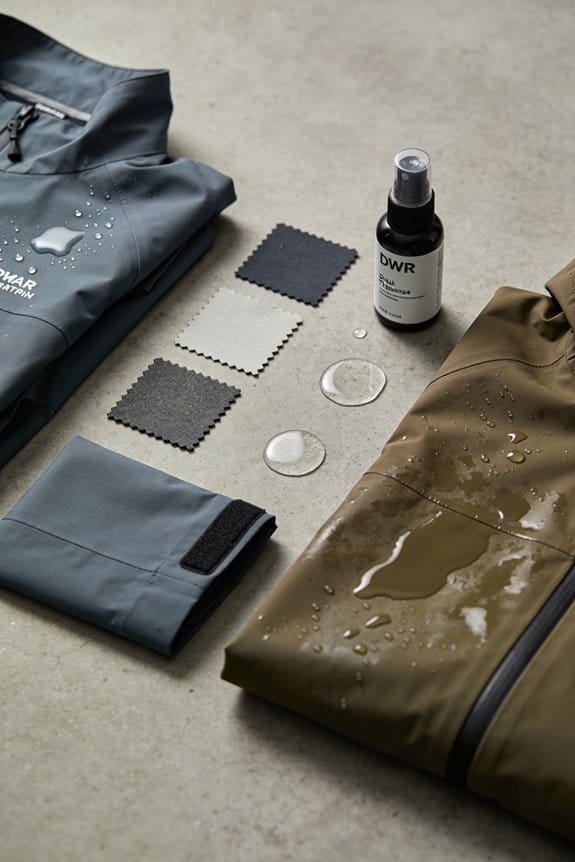
Ever wonder why your rain jacket seems to fail you just when you need it most? It’s all about that Durable Water Repellent (DWR) coating. Wetting out occurs when this important layer wears off, often thanks to body oils and dirt that build up over time.
To keep your waterproof gear working effectively, it’s a good idea to clean it regularly. Try using Nikwax Tech Wash; it’ll get rid of contaminants and help maintain the breathable membranes. It’s simple but can make a big difference.
Here’s the trick: don’t forget to reapply DWR whenever it starts to lose its effectiveness. Products like Nikwax TX.Direct can enhance water repellency and extend the life of your jacket.
And let’s not overlook ventilation! If you’re out there sweating it out, options like armpit zips can help manage internal moisture. Why let all that body heat contribute to wetting out?
Additionally, choosing rain jackets with breathable fabrics allows moisture to escape while maintaining dryness, reducing the likelihood of wetting out during physical activity.
Recommended Products

Die cast aluminum body, aluminum tank and stainless steel needle

Waterproof & Windproof Fabric for Harsh Winter Conditions: Crafted from durable polyester softshell fabric with a 20,000mm waterproof rating, these men’s ski pants / waterproof snow pants keep you dry in heavy snow and slushy conditions. The windproof outer layer blocks cold gusts, making them ideal winter outdoor pants, snowboarding pants, and ski trousers for men during extreme weather.

WATER REPELLENCY: Recommended by Sunbrella, a leading outdoor fabric manufacturer, 303 Fabric Guard restores waterproof fabric to factory new levels when applied to clean & dry fabrics while also defending against spills.
How DWR Coating Affects Your Jacket’s Wet Out Resistance
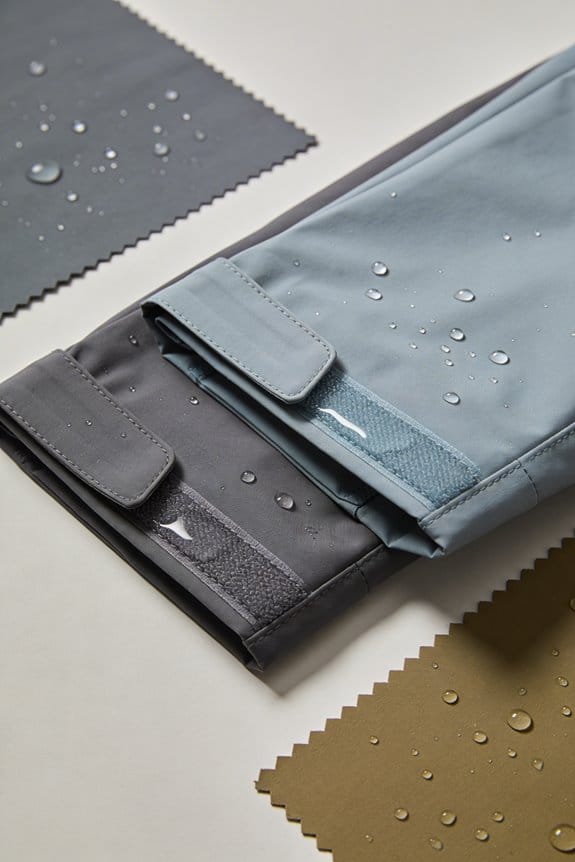
Ever find yourself caught in a drizzle, wishing your jacket was still doing its job? That’s where the Durable Water Repellent (DWR) coating comes into play. This coating helps water bead right off the surface, keeping your jacket from getting saturated and you feeling dry. But here’s the catch: over time, the DWR can start to wear down.
So, what causes this degradation? A few common culprits are washing, rubbing against your backpack straps, and even body oils. That’s why regular maintenance is essential for keeping your jacket in peak condition. When you wash it, steer clear of fabric softeners; they can wreck the DWR. Instead, try using specialized products like Nikwax TX-Direct to breathe new life into your jacket’s water repellency.
It’s also good to keep an eye on those high-friction areas, like the shoulders and cuffs. They tend to wet out faster since they take on more wear and tear.
So, how do you keep your DWR coating effective? Here are a few tips:
- Wash your jacket with care, avoiding fabric softeners.
- Treat it with a good DWR product when needed.
- Check those high-use spots regularly for signs of wetting out.
In addition, choosing jackets with advanced waterproofing features can help maintain water resistance even as coatings degrade.
Truth is, keeping your DWR in check means you’ll enjoy better waterproofing and breathability on your outdoor adventures. You want your jacket to keep up with you, after all! So, when’s the last time you gave your gear some TLC?
Recommended Products
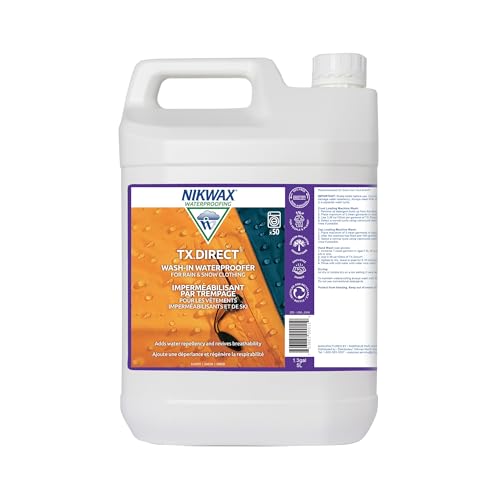
High performance waterproofer designed to enhance performance and revitalize the breathability of waterproof clothing, keeping you warmer and drier
Helps keep your surfaces looking newer longer with powerful cleaning action

Rugged and Waterproof - Durable nylon fabric with a new, upgraded and more rugged, 10K/5K PU Film Lamination make these pants even tougher and more comfortable than the original. (Made with PFAS chemicals for durability.)
The Impact of Clogged Membranes on Breathability
Clogged membranes can really mess with your jacket’s breathability, and trust me, that can make outdoor adventures pretty uncomfortable. When the tiny pores in your jacket get blocked by dirt, sweat, and oils, moisture vapor can’t escape. This results in a clammy feeling and internal wetness that nobody wants to deal with. So, why does this matter? Maintaining comfort is key, and washing your jacket regularly with cleaners designed for breathable fabrics helps keep those pores free.
If you overlook this maintenance step, you might find that buildup can drop your jacket’s breathability ratings. That means during those high-energy activities, you’ll be at risk for condensation inside the jacket, and no one likes that feeling. To avoid this, aim for jackets with breathability ratings of at least 10K. This ensures you’re getting effective moisture management.
Try this: make it a habit to keep your jacket clean. Washing it regularly will not only enhance comfort but boost performance as well, letting you enjoy your time outdoors without feeling bogged down by dampness. It’s a simple step that can make all the difference.
In short, keeping those membranes clear is essential for a great outdoor experience. So, the next time you’re about to head out, give your gear a quick check. Are you ready to beat the clammy feelings? For optimal protection and comfort, consider jackets that combine waterproof ratings and breathable materials for balanced performance.
Recommended Products

Developed with pro-racers for optimal mobility and the ultimate protection from ocean elements.
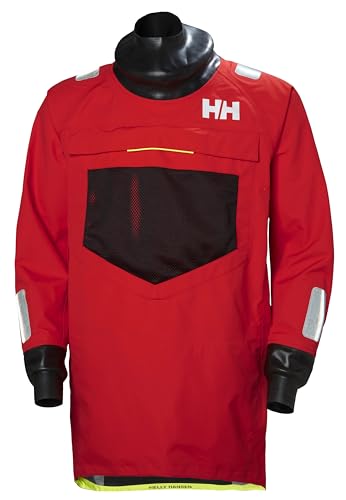
An extremely waterproof, breathable smock top for Ocean Races – maximum protection and minimalist design.

Developed together with ocean pro-racers, this hardy sailing jacket gives seasoned sailors and racers maximum protection.
Why Does Condensation Matter for Wetting Out Your Jacket?
Have you ever put on your rain jacket only to end up feeling damp and uncomfortable inside? That’s a real struggle when high condensation levels turn your cozy gear into a soggy prison. When the warm air from your body meets the cooler surface inside the jacket, it creates water droplets. This not only makes things uncomfortable but can also feel just as clammy as if you were standing out in the rain.
So, why does this matter? If your jacket’s breathable fabric is clogged up or it’s missing some key venting features like pit zips, you’re in for a miserable experience. Here’s the trick: managing moisture is crucial. Opt for jackets made with effective breathable materials and don’t forget to use those venting options. You might be surprised at how much of a difference they make.
Think about it — when you’re active, high body heat and humidity only make condensation worse. As your sweat condenses inside the jacket, it creates a situation where staying dry feels nearly impossible. The best part is that with the right jacket and moisture management strategies, you can stay comfortable even during the most challenging conditions.
To recap, focus on finding a rain jacket that breathes well and comes with venting options. Keeping in mind the potential for condensation will help you better prepare for whatever weather comes your way. Choosing a rain jacket with lightweight, breathable materials is especially effective at reducing internal dampness. Are you ready to tackle the elements?
Common Structural Failures: How Membrane and Seam Problems Cause Wet Out
Ever had your rain jacket let you down in the middle of a downpour? It’s a frustrating experience when you expect to stay dry, but instead, you end up soaked. Structural failures in your jacket can cause these unwanted wet out situations.
One big issue to watch out for is membrane failure. Over time, the waterproof breathable membrane can start to break down, which means less protection from moisture. Then there’s the seam seal failure, which happens when the seam tape either degrades or peels away. This can allow water to sneak through tiny needle holes, and if you’ve spent any time in harsh weather, you know how quickly that can happen.
You might notice these signs in your jacket:
- Peeling or cracked seam tape.
- A general feeling of dampness inside.
- Discoloration on the fabric.
If you notice these issues cropping up, it might be time to think about replacing your jacket. But don’t panic just yet! For smaller problems, applying a brush-on seam sealer can serve as a temporary fix.
So, why does this matter? It’s all about making informed choices when you’re investing in outdoor gear. Understanding these common failures can help extend the life of your jacket and keep you dry for those unexpected rainstorms. The best part is, with a little upkeep, you can keep your gear in top shape.
In the end, just take some time to inspect your gear regularly. Have you checked your jacket lately? It’s worth it to stay dry on your next adventure! And remember, fully sealed seams are crucial to preventing water infiltration and maintaining waterproof performance.
Effective Maintenance Tips to Prevent Wet Out
Have you ever found yourself soaked to the bone despite wearing a rain jacket? It’s frustrating when your gear doesn’t hold up, especially when you expect it to keep you dry. To help you avoid that soggy scenario, there are some straightforward maintenance habits that can keep your rain jackets performing their best.
Start with washing your rain gear. Using a technical wash like Nikwax Tech Wash does wonders. It helps remove dirt and oils that can clog up those breathable membranes. Don’t overlook this step—keeping your jacket clean is crucial for maintaining its performance.
Next, you want to keep an eye on your jacket’s DWR, or Durable Water Repellent finish. This is what makes the surface of your jacket repel water, and reapplying it regularly helps maintain that waterproof barrier. Products like Nikwax TX.Direct are great for this.
Here’s the trick: when you’re out and about, use the ventilation features like pit zips, especially during intense activity. It helps reduce that pesky internal humidity that can make you feel damp even when you’re dry on the outside.
Don’t forget to inspect the seams on your jacket regularly. If you notice any peeling, a brush-on seam sealer can be a simple fix to prevent leaks. It’s those little details that can make all the difference when the rain starts pouring.
When you get to the washing and drying phase, always stick to the manufacturer’s care instructions. Doing this will keep both your jacket’s waterproof and breathable features intact for a longer time.
For the best protection, pairing your rain jacket with well-maintained waterproof rain pants ensures you stay fully dry from head to toe during wet weather.
So why does this matter? Well, taking the time to maintain your gear means you can tackle your adventures without the worry of getting soaked.
In short, keeping your rain jacket in top shape takes just a few simple steps. How do you keep your outdoor gear ready for action?
Recommended Products

Waterproof midlayer jacket with LIFALOFT in a clean and technical all purpose marine design.

SIZING: Castelli products have a close-to-the-body fit to maximize aerodynamics and performance. For a less compressive feel, or if your measurements fall between sizes, we recommend that you size up.
Waterproof midlayer jacket with LIFALOFT in a clean and technical all purpose marine design.
Refreshing DWR: Tips for Effective Reapplication
Is your rain jacket starting to let in water? If so, it might be time to refresh that Durable Water Repellent (DWR) finish. Keeping your jacket waterproof isn’t just about staying dry; it can make your outdoor adventures a lot more enjoyable.
First, you’ll want to clean the fabric. Grab a gentle detergent and give it a good wash to remove dirt and oils that can mess with the water repellency. It sounds simple, but this step is crucial. Once you’re done washing, it’s time to bring back the DWR treatment. I recommend options like Nikwax TX.Direct Wash-In or Spray-On. Make sure to check the manufacturer’s instructions carefully—getting that even coverage is important.
After applying the treatment, follow the drying guidelines. This is when the DWR layer kicks into action. You might be wondering how often you need to do this. Frankly, you should aim for a reapplication every few washes or whenever you notice water soaking into the fabric. Selecting a rain jacket made from weather-resistant materials can also enhance the effectiveness and longevity of your DWR treatment.
Ventilation Strategies to Reduce Internal Moisture
Ever been stuck outside in the rain, feeling like a soggy sponge in your jacket? It’s pretty uncomfortable, right? One of the best ways to tackle moisture build-up is through clever ventilation strategies. Think about features like pit zips or adjustable vents – they really make a difference. These little openings help let out body heat and that pesky excess moisture, keeping you dry inside your gear.
Sure, you might worry about waterproofing when you unzip during a hike or a run, but the comfort you get from letting that sweat escape is usually worth it. Just make sure your jacket has a breathable layer or a mesh lining for better airflow. And don’t forget the maintenance! Regularly check and clean your ventilation systems; dirt can easily clog mesh or zippers, which can mess with their effectiveness. For outdoor work, combining ventilation with breathable materials can significantly improve comfort during extended wear in wet conditions.
Choosing Quality Rain Jackets: Key Features to Look For
When you’re out searching for a rain jacket, it’s easy to feel overwhelmed by all the options out there. Nobody wants to get soaked during a weekend hike or a sudden downpour, right? So, let’s break down what to look for to make sure you stay dry and comfy.
First up, consider the waterproof rating. You want something with at least a 10,000 mm rating. This means it can handle some serious rain without letting you down. On top of that, look for a breathability rating around 20,000 g/m²/24h; this will help moisture escape so you don’t feel like you’re wearing a soggy sponge inside your jacket.
Try this: check if the jacket has a 3-layer system. These jackets tend to be more durable and they’re less likely to get soaked through. Also, make sure it has waterproof seams because those little details can make a big difference in keeping leaks at bay. Features like adjustable hoods and pit zips can really elevate your comfort level. So, why does this matter? Because when it’s pouring outside, you’ll want that extra bit of airflow and flexibility.
You’ll find that brands like REI and Patagonia typically offer solid options. They also have warranties or satisfaction guarantees, which gives you that peace of mind when buying. The best part is that investing in these features not only keeps you dry but enhances your outdoor experience overall.
In addition, selecting rain gear with a PFC-free Durable Water Repellent coating helps reduce environmental impact while maintaining effective water resistance.
To recap, when searching for a quality rain jacket, focus on waterproof ratings, breathability, and durability features. Pay attention to details like seams and ventilation options. What’s your biggest frustration when it comes to staying dry?
Recommended Products

Waterproof to 10,000mm fabric with fully taped seams

STAY DRY IN COLD & WET CONDITIONS - Named after the only place on equator with snow cover, ‘Cayambe’ is designed for highly athletic, aerobic activities in cold and wet conditions. The water proof, wind proof fabric easily handles winter showers or wet snow. Water proof, wind proof 3 layer 4-way stretch fabric, Fabric Waterproof rating – 10,000 mm, Durable Water Repellant finish (DWR), Water resistant seam tape - Seams pass rain test AATCC 35

Regular fit is just right: Not too tight or too baggy
Frequently Asked Questions
What Does It Mean When a Rain Jacket Wets Out?
Wetting out, we notice, means our waterproof fabric fails, compromising moisture management and fabric breathability. Effective hydrophobic treatment and jacket maintenance are essential, highlighting our role in preserving waterproof technology and ensuring best user care.
Why Does My Rain Jacket Get Wet Inside?
Our rain jackets get wet inside due to moisture barriers failing, sweat buildup, condensation issues, and environmental factors. Proper layering and regular jacket maintenance are key to maintaining fabric breathability and keeping us dry.
How to Stop Sweating in a Waterproof Jacket?
As the saying goes, “An ounce of prevention is worth a pound of cure.” We can stop sweating in waterproof jackets by investing in breathable fabrics, using ventilation options, and employing smart layering techniques for moisture control during active outdoor activities.
How to Make a Jacket Water-Repellent Again?
To make our jackets water-repellent again, we can use wash-in solutions or spray treatments. Regular maintenance tips, like re-waterproofing and proper fabric care, keep the durable water repellent finish working effectively for longer.


