As an Amazon Associate, we earn from qualifying purchases. Some links on this site are affiliate links at no extra cost to you. Our recommendations are based on thorough research and editorial judgment.

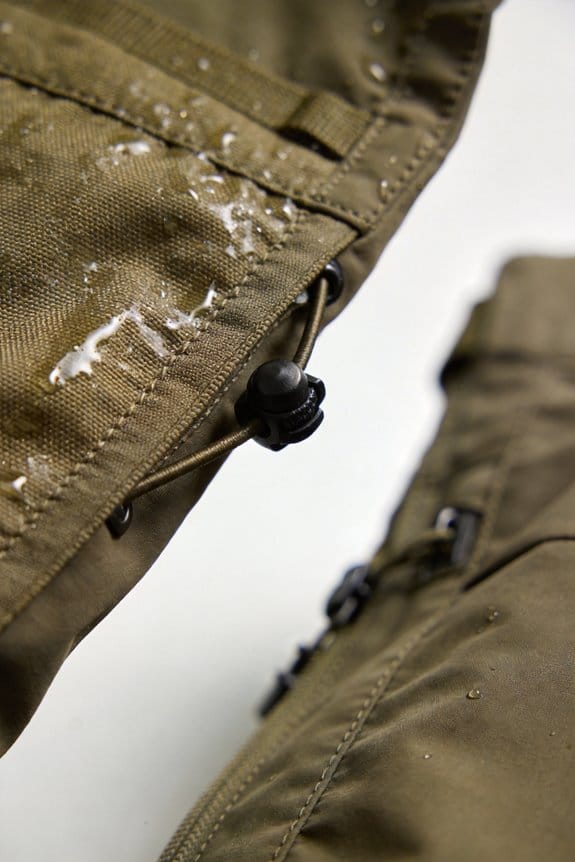
How Your Activity Level Should Influence Your Layering Strategy

Your activity level plays a big role in how you should layer your clothes for outdoor adventures. If you’re planning on an action-packed day, lightweight base layers made from materials like polyester or merino wool are your best bet—they wick away moisture and keep you comfortable.
For a mid-layer, go for thin insulation that won’t restrict your movement. A breathable outer shell is key to keep the wind and rain at bay.
On days when you’re doing lower-intensity activities, it might be a good idea to wear thicker insulating layers. Staying warm is crucial when you’re not breaking a sweat. So, why does this matter? It’s all about finding the right balance between warmth and mobility based on your activity level.
To make it easy, consider these tips:
- High-energy activities: Lightweight base, thin mid-layer, breathable outer shell.
- Lower-intensity activities: Thicker insulating layers for warmth.
Truth is, adjusting your layers according to both the weather and your activity can make a huge difference in comfort. Keep experimenting with different combos to see what feels best for you.
At the end of the day, your layering strategy should enhance your experience rather than hinder it. What layering tips have you found that work for you?
Key Takeaways
- Adjust base layers for high-energy activities to be lightweight and moisture-wicking for optimal sweat management.
- Opt for thicker mid layers during lower-intensity activities to conserve body heat and ensure warmth.
- Use breathable outer layers with ventilation options for cool weather to balance comfort and protection.
- Monitor your activity level and external conditions frequently to make timely adjustments to your layers.
- Combine layers smartly for moisture control, as high activity can increase sweat output and require quick-drying materials.
How Layering Keeps You Comfortable in the Outdoors
Have you ever gone outdoors only to be uncomfortably hot or cold because of what you were wearing? Layering your clothes is a simple yet effective way to stay cozy during your adventures. The secret starts with picking a good base layer. Look for moisture-wicking materials. This layer plays an essential role as it helps manage sweat and keeps your body temperature steady.
Now, let’s talk about mid layers. Fleece or down jackets are great choices for this part. These layers are all about maintaining warmth and insulation. They trap heat during breaks, but still let your body breathe when you’re active. It’s all about striking that balance. Imagine hiking uphill and feeling that sudden chill when you stop. That’s where a solid mid layer makes all the difference.
Don’t forget the outer layer! This one’s crucial if the weather is unpredictable. It acts as your shield against wind and rain, keeping you dry and warm. Think of it as your first line of defense against the elements. Depending on how intense your activity is, adjusting your layers is key. If you’re hiking up a mountain and start feeling too warm, it might be time to shed a layer or two. Choosing a base layer with a snug fit helps block cold air while improving moisture management, enhancing overall comfort during activity.
Recommended Products

Italian quality – the thermal underwear UltramaxCELL consists of 100% Italian yarn Dryarn.


Classic Fit - A tailered cut inspired by sport ski style
Understanding Activity Levels and Your Layering Strategy

How often have you gone out for a hike or a ski trip and ended up too hot or too cold? Knowing your activity level is key to layering properly for those outdoor adventures.
For high-intensity activities—think running up a mountain or powering through a ski run—opt for base layers made from moisture-wicking fabrics. These materials are great at pulling sweat away from your skin, keeping you comfortable while you’re moving. The trick is to go for lighter insulating layers, which can help with breathability and prevent overheating. You want to stay cool and dry, not a sweaty mess.
On the flip side, if you’re tackling lower-intensity adventures like a leisurely hike or a relaxed snowshoe trek, you’ll want to stick with thicker insulating layers to keep warm. It’s all about retaining that precious body heat. Your outer shell should still be breathable, so look for one with good ventilation options. This is especially important on those windy or wet days when you need to let sweat escape without letting the cold in.
Choosing clothing made with breathable fabric tailored to your activity needs can significantly enhance comfort and performance during your outdoor adventures.
So, what does this all mean for your next trip? It’s all about knowing what kind of outdoor fun you’ll be having and dressing accordingly. A little prep goes a long way.
In short, pay attention to your activity level and choose your layers wisely. What layers do you find work best for your adventures?
Base Layer Basics: Choosing the Right Fit

Selecting the right fit for your base layer can make or break your outdoor experience. It shouldn’t feel like a second skin that’s too tight—snug is the way to go, so you stay comfy while you move. A fit like this helps with moisture management and cuts down on chafing, which is a huge plus when you’re out there getting your sweat on.
Think about the materials too. Synthetic fibers like polyester or nylon are great for breathability and moisture-wicking. If you want something a bit more natural, merino wool is a solid option as well. Depending on how active you plan to be, you might lean towards lighter fabrics for those warm days, while heavier options are perfect when it’s chilly.
Oh, and don’t forget about construction. Highly recommend seeking out seamless designs—they go a long way in preventing that annoying skin irritation.
Also, if you’re worried about UV rays, try getting base layers that are UPF-rated. These will do a good job shielding you from the sun while you enjoy your time outdoors.
Additionally, the moisture-wicking properties of merino wool help keep you dry and comfortable, enhancing your overall performance.
Wrapping it all up, investing in the right base layer really pays off. So, what’s your go-to material when you’re heading outside?
Recommended Products

PERFORMANCE FIT THAT MOVES WITH YOU: Designed with an athletic cut, these mens t-shirts have an athletic fit with room to move. Our active men's t-shirts and mens tank top have a perfect fit for workouts or casual wear.


PREMIUM SUN PROTECTION FOR WOMEN: The Kastel Denmark Women's Sun Protective Base Layer isn't just about looking good; it's about feeling protected too. Thanks to its UPF 30+ technology, our shirts acts as a guard against the sun's harmful rays, ensuring that every outdoor escapade is not only stylish but also safe.
Insulation Options for Diverse Activity Levels
What do you wear when you’re heading out for an outdoor adventure that’ll really get your heart pumping? Choosing the right insulation layer is just as crucial as picking a solid base layer.
For those high-energy activities like trail running, lightweight insulation is where it’s at. It keeps you warm without restricting your movements. If you’re planning a more moderate pace, say brisk walking or hiking, mid-weight options like fleece or synthetic jackets can be your best friends. They do a great job in managing moisture and can handle those wild temperature swings we often face outdoors.
Now, if you’re gearing up for a low-key day, like snowshoeing or a leisurely walk in the park, heavy insulation layers, like down jackets, are a must-have. Staying warm is key, especially when you’re not moving as much. So, what materials should you go for? It’s important to balance warmth with breathability so you don’t end up sweaty and uncomfortable.
Try this: look for adjustable layers in your gear. This little trick means you can easily adapt to changing weather conditions, and switch things up depending on how intense your activity is. You want to stay cozy without overheating, right? Jackets designed with integrated airflow systems can help regulate body heat effectively during varying activity levels.
In the end, making the right insulation choice can elevate your experience outdoors. What’s your go-to layer for those chilly outdoor adventures?
Recommended Products

Complete CAT 4 Protection: Stay protected while navigating electrical environments with our Arc Flash Kit, featuring a 2x-large 40 Cal FR bib overall, coat, class 2 rubber voltage gloves, face shield, safety glasses, gear bag, and tools
Complete CAT 4 Protection: Stay protected while navigating electrical environments with our Arc Flash Kit, featuring a 3x-large 40 Cal FR bib overall, coat, class 2 rubber voltage gloves, face shield, safety glasses, gear bag, and tools
Complete CAT 4 Protection: Stay protected while navigating electrical environments with our Arc Flash Kit, featuring a 3x-large 40 Cal FR bib overall, coat, class 2 rubber voltage gloves, face shield, safety glasses, gear bag, and tools
Why the Outer Layer Matters for Weather Protection
When you’re gearing up to enjoy the great outdoors, think about your outer layer like your trusty shield against weather woes. This is your first line of defense against the elements—wind, rain, and snow. It plays a huge role in keeping your body heat where it belongs and ensures you stay warm while you’re active.
Here’s the trick: make sure your outer layer is waterproof yet breathable. You want it to block moisture from getting in while allowing your sweat to escape. There’s nothing worse than feeling clammy on a chilly hike, right? Also, check for adjustable features like hoods and cuffs. These little tweaks can make a big difference when the weather takes a turn.
The best part is that a solid outer shell not only amps up your comfort but also helps lower the chances of hypothermia or heat exhaustion. If you’re moving around, lightweight materials are a game-changer; they keep you nimble and won’t weigh you down. So, next time you’re shopping for gear, ask yourself: is this going to keep me safe and comfortable in unpredictable weather?
Choosing jackets with a high Moisture Vapor Transmission Rate (MVTR) helps maintain that balance between waterproof protection and breathability.
To recap, don’t underestimate the power of your outer layer. Choosing the right one really matters when tackling tough terrains. What’s your go-to tip for staying warm and dry outdoors?
Recommended Products

Material: Made with our core cotton/nylon fabric, this Jacket is extra warm, breathable & durable. Featuring a down-fill insulation (80/20 duck down loft) & blue fox fur-trimmed hood, you will not have to worry about the cold, no matter the wind chill.

Durable recycled polyamide with a waterproof and breathable Hydratic liner.

Developed together with ocean pro-racers, this hardy sailing jacket gives seasoned sailors and racers maximum protection.
Adapting Your Layers for Weather Changes
When the weather starts to change, it’s essential to adapt your layering strategy. Think about those moments when the forecast flips from sunny to stormy, or when it suddenly feels ten degrees cooler. What do you do? Being ready means staying flexible and being a bit proactive.
For high-intensity activities, opt for breathable layers that keep moisture at bay. Nobody enjoys feeling sweaty and cold! Here’s the trick: adding ventilation zippers to your outer layer can really help. Those clever features allow your body to release excess heat without sacrificing protection. And in warmer weather, it’s all about lighter base layers. When temperatures drop, don’t hesitate to add heavier insulating layers to keep that warmth close. It’s key to maintaining thermal efficiency.
If rain’s on the way, make outer protection your priority. But don’t forget about your mid and base layers—make sure they wick moisture like a champ. Choosing rain pants made from waterproof and breathable materials can enhance comfort during wet conditions. So, why does this matter? Because staying comfortable is the name of the game, and nobody wants to be caught out in the cold, wet, or uncomfortable.
In short, keeping an eye on the weather means you can stay cozy and protected. Frankly, your layering choices can make all the difference in your comfort level. Are you ready to dress for whatever Mother Nature throws your way?
Best Products for Layering Extremities: Hands, Feet, and Head
When it gets cold outside, staying comfortable is a priority, right? Layering your extremities—hands, feet, and head—is a smart way to tackle the chill.
For your hands, consider wearing moisture-wicking liners beneath insulated gloves. This combo keeps your hands warm while still letting you move your fingers easily for those fine tasks. It’s crucial when you’re outdoors, especially if you need to handle gear or adjust things.
Your feet also deserve attention. Pair moisture-wicking base layer socks with thicker outer socks to manage temperature effectively and avoid blisters. Believe me, nothing is worse than dealing with cold, wet socks when you’re out and about. You’ll thank yourself for taking this simple step.
Now, let’s not forget your head. A thermal beanie made from merino wool is worth every penny. It can hold onto 10% of your body heat, which is a big deal in cold weather. Frankly, keeping your head warm makes a noticeable difference in how you feel overall.
Also, think about glove shells with adjustable cuffs. These can give you better protection from the wind while helping your hands stay dry. And don’t skip out on insulated sock liners; these add an extra layer of warmth and comfort when you’re facing long stretches in the cold.
Choosing base layers made with moisture-wicking fabrics enhances your comfort by managing sweat and regulating temperature effectively.
To sum it up, layering your hands, feet, and head is essential for staying comfortable in chilly weather. So, how do you plan to prepare for your next outdoor adventure?
Recommended Products

Expedition-Weight Warmth: Designed to keep hands warm in the most challenging winter conditions. Ideal for any winter activity, from skiing to snowboarding and beyond. Soft and cozy interior lining provides comfort and additional warmth. Built to withstand harsh elements for reliable protection in freezing temperatures.
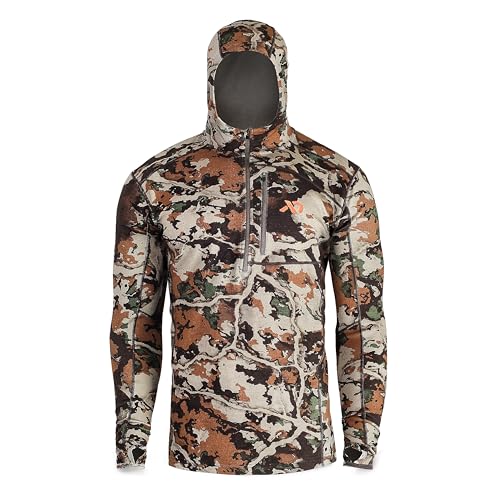
Premium hunting jacket for men and thermal base layer combining merino wool with spandex, delivering optimal warmth and odor control for hunters during peak seasons

QUALITY EXPEDITION BASELAYER: 100% Merino Wool is super soft and extremely comfortable. This merino wool crew neck thermal has the versatility and warmth to make this an essential part of your outdoor gear. ENVIRONMENTALLY FRIENDLY: The best in easy care technology means your merino wool is machine washable and dryable. Our 100% Merino Wool is a renewable fabric. Its moisture-wicking properties mean you won't have to wash it as often so you'll use even less water.
Conclusion: Tailoring Your Layering Strategy for Maximum Comfort
Cold weather can be tough to handle, especially when you want to stay active. So, how can you stay comfortable while enjoying outdoor activities? Tailoring your layering strategy can really make a difference.
When you’re getting after it—think hiking or anything high-energy—lightweight base and mid-layers are your best friends. These layers do a great job of managing moisture, which helps keep your body heat in check and ensures you don’t end up drenched and cold. On days when you’re taking it a bit easier, focus on thicker insulating layers. As your body produces less heat during low-intensity activities, staying warm becomes key.
Keep an eye on the weather, too. It’s smart to pick breathable materials, as they adapt well to changing conditions. You’ll want to adjust your layers on the fly. It’s not just about adding or removing layers—it’s about getting that moisture control and staying warm where it matters.
Additionally, choosing garments with quick-dry technology can greatly enhance moisture management and comfort during varied activity levels and weather conditions.
Staying flexible and aware of your environment makes all the difference. So, what’s your go-to strategy for wearing layers in the cold? Remember, making these small adjustments can enhance your comfort significantly.
Frequently Asked Questions
What Is the Key to Layering?
The key to layering’s choosing the right base layer benefits, mid layer materials, and outer layer options. We need weather considerations, activity adjustments, and fabric choices to guarantee comfort factors while staying warm and mobile.
What Are Common Layering Mistakes?
We often encounter common layering pitfalls like incorrect fabric choices, neglecting temperature changes, and insufficient insulation layers. Ignoring our comfort and mismatched styles leads to improper fit issues, resulting in an uncomfortable outdoor experience.
What Is the Layering Principle and How Does It Work?
Like building a sandwich, layering techniques combine different fabric types for thermal insulation and moisture management. This helps us stay comfortable during outdoor activities, adapting to seasonal variations for ideal body temperature regulation.
What Is the Three Layer Rule?
The three layer rule offers layering versatility, maximizing warmth and temperature regulation during outdoor activities. We use breathable fabrics in our base layer for moisture management, paired with an insulating mid layer and protective outer layer.


