As an Amazon Associate, we earn from qualifying purchases. Some links on this site are affiliate links at no extra cost to you. Our recommendations are based on thorough research and editorial judgment.


The Science Behind Thermal Underwear and Base Layers

Have you ever gone outside in the winter, only to realize you’re freezing your butt off even with layers on? Yeah, we’ve all been there. Thermal underwear and base layers are your best bet to keep that chill at bay and stay comfortable during outdoor adventures.
These garments work by trapping your body heat while also wicking moisture away from your skin. Look for materials like merino wool or synthetic fibers; they’re designed to manage sweat effectively, preventing any post-exercise chills. A snug fit is key to keeping you warm, and layering properly makes all the difference in your comfort level.
Here’s something to consider: Long Johns, which are often made from cotton, are great for milder weather but might not cut it in really cold conditions. On the other hand, true thermal wear shines when temperatures drop significantly.
Choosing the right base layers isn’t just about warmth; it’s crucial for staying dry and cozy so you can enjoy whatever outdoor activities you have planned.
So, what are some practical tips? Aim for layering that suits your activities—thicker layers for less movement and lighter ones when you’re active. Don’t forget about your socks and gloves, either! They can really complete your warmth setup.
Truth is, picking the right base layer can significantly enhance your outdoor experience. Are you ready to tackle those chilly days with confidence?
Key Takeaways
- Thermal underwear traps body heat close to the skin and reduces heat loss, essential for warmth in cold conditions.
- Moisture-wicking materials like merino wool and synthetics enhance comfort by allowing moisture to escape and preventing dampness.
- Advanced technologies improve thermal efficiency, such as quick-drying features that reduce cooling from sweat evaporation.
- Layering techniques, including a snug base layer, mid-layer insulation, and weatherproof outer layers, optimize warmth and comfort during outdoor activities.
- Proper selection of materials and fit ensures effective moisture management and can significantly enhance outdoor performance and reduce the risk of hypothermia.
How Thermal Clothing Works to Keep You Warm
When the temperatures drop, it can be a real challenge to stay warm. Wearing thermal clothing makes a noticeable difference when you’re outside in the cold. It acts as a base layer that traps your body heat close to your skin, significantly reducing heat loss.
Now, let’s talk about materials. Look for moisture-wicking options like merino wool or some synthetic blends. These fabrics let sweat escape, which keeps you dry and helps maintain warmth instead of cooling you down through evaporation. You might also want to check out advanced technologies like FlashDry, which do a great job at drying quickly and managing moisture.
Here’s a little tip: think about layering. A solid base layer works best when paired with mid and outer layers to keep your body at the right temperature. You don’t have to go overboard with layers, but having a good setup can make a huge difference.
When shopping for thermal clothing, focus on quality. High-quality items will provide maximum warmth and comfort during your outdoor adventures. Honestly, nobody enjoys being cold when they’re out and about, right?
In particular, choosing the right weight classification of merino wool base layers ensures optimal comfort according to the weather and activity level.
The Purpose of Base Layers in Cold Weather
Base layers are crucial when it comes to staying warm in cold weather. Think about it: when you’re heading out for a winter hike or just braving the frigid air, the first thing you put on should be something that really helps you retain body heat. These layers fit snugly, which makes a big difference in trapping warmth without adding bulk.
Made from materials like merino wool or synthetic fabrics, base layers also do a fantastic job at wicking away moisture. If you start to sweat while you’re active, those pesky beads won’t just sit there soaking your shirt, which can leave you feeling damp and cold. You’re not just layering up; you’re setting the stage for a comfortable adventure.
Here’s a fun fact: the right base layer can boost the warmth of your outer layers by about 4°F to 8°F. That might not sound like much, but it really can impact how cozy you feel. So, why does this matter? Well, when you’re out in the cold, even a small difference can help prevent things like hypothermia.
When you’re shopping for base layers, keep a few things in mind:
- Look for a close fit to trap heat effectively.
- Choose moisture-wicking materials to stay dry.
- Consider your activity level—higher intensity means different needs.
Additionally, many high-quality base layers incorporate moisture-wicking technology to draw sweat away from your skin, keeping you dry and comfortable.
Truth is, a solid base layer can really enhance your winter experience. Whether you’re skiing, snowshoeing, or just walking around the neighborhood, having the right clothing makes all the difference. So, before your next winter outing, check your base layer game. Are you ready to adventure comfortably this season?
Why You Should Love Thermal Clothing

Thermal clothing is a must if you love being outdoors when it’s chilly. Think about it: there’s nothing worse than feeling cold and uncomfortable during your favorite winter activities. That’s where thermal underwear comes in. It traps your body heat close to your skin while letting moisture escape. You stay warm and dry, which is perfect for those frosty adventures.
When you choose high-quality materials like merino wool or synthetic blends, you’re really upgrading your outdoor experience. These fabrics are designed to wick moisture away while holding on to heat so much better than cotton ever could. Plus, thermal clothing serves as the crucial first layer in your layering system. It helps you regulate your temperature, whether you’re hiking up a snowy trail or taking a break to catch your breath.
Properly fitted thermal underwear can make a big difference in how warm you feel, keeping you up to 8°F warmer than without it. That’s no small change! Why risk hypothermia when it’s easy to invest in good thermal layers? Your comfort and safety are worth it, especially when you’re out in the wild.
For the best comfort, consider materials that are lightweight and quick-drying to keep moisture at bay and maintain warmth.
Long Johns vs. Thermals: What’s the Difference?
How do Long Johns and Thermals differ? You might find yourself wondering which one to reach for when the temperature drops. Long Johns are typically made from cotton, acting as a comfy base layer for milder weather. However, thermals are where it’s at for those super chilly days; they’re mostly made from wool and do a fantastic job at keeping you warm while managing moisture.
If you plan on being active outside—like hiking or skiing—go for thermals. They retain warmth better and wick away moisture more effectively, which means you’ll stay dry and cozy during all your outdoor adventures. Honestly, Long Johns might feel nice and comfy, but they just can’t compete when the temperatures plummet.
So, what’s the best choice for you? When you’re picking your base layer, think about the weather you’re facing. For those colder environments where you need serious protection, thermals are definitely the way to go. Remember, staying warm and dry means a better experience outdoors. Many thermal garments feature moisture-wicking fabrics to help keep skin dry during active use.
Next time you’re gearing up for an outing in the cold, ask yourself: Is warmth and moisture control top of mind? Choose wisely, and you’ll be more comfortable out there.
Recommended Products

Graphene Technology for Enhanced Comfort: Our innovative graphene-infused cover offers exceptional thermal regulation and moisture-wicking properties. In combination with our copper-infused memory foam, which effectively regulates moisture, odor, and temperature, you can enjoy a dry, breathable, and odor-free sleep experience.

Green Tea King Memory Foam Mattress: Infused with green tea extract, the top layer of this king mattress absorbs sweat and neutralizes odors, promoting a stress-free sleep environment, topped by an OEXO-TEX certified, breathable knit cover.

Upper: Tall height, nylon upper for wind-resistant protection with nylon locking snow collar to protect from the elements. Side-to-side lace fastening system with drawstring and toggle. Slip-on style for ease of entry.
Choosing the Best Thermal Fabrics for Different Conditions
When temperatures drop, finding the right thermal fabric can feel like a major puzzle. You want to stay warm, but you also don’t want to get overheated or drenched in sweat. So what should you choose?
For those cold, changeable days, merino wool is a solid pick. It’s naturally moisture-wicking and helps regulate your body temperature, so you stay comfortable no matter if the weather shifts. If you’re planning to get your heart rate up during outdoor activities, consider synthetic options like polyester or polypropylene. They dry quickly and do a great job at managing moisture. One big rule to remember: steer clear of cotton. It holds onto moisture and can leave you feeling chilly.
Now, if you’re looking for a more eco-friendly choice, bamboo fabric is worth considering. It’s breathable and has sustainable qualities, but don’t expect the same level of insulation you’d get from wool or synthetics. Blended fabrics that combine wool with synthetic fibers can offer you the best of both worlds, giving you warmth while still drying quickly.
Think about the conditions you’re going to face. Are you facing freezing temperatures or just a brisk fall day? Choosing the right thermal base layer can make all the difference. Moreover, selecting a fitted thermal layer is essential for trapping body heat efficiently without bulk. Whatever your plans, equip yourself properly, and you’ll find your outdoor experiences a lot more enjoyable. What’s your go-to fabric for those chilly days?
Recommended Products
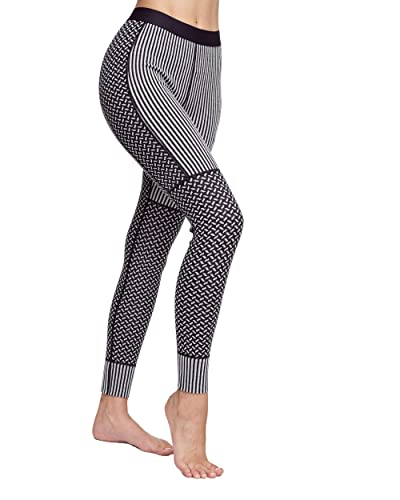
FOR GIRLS, BY GIRLS - Sportswear designed to fit the female body perfectly. Our baselayers are designed using body-mapping and should be worn next-to-skin. For optimal warmth, we recommend choosing your normal clothing size. If you want a looser fit you should go up one size
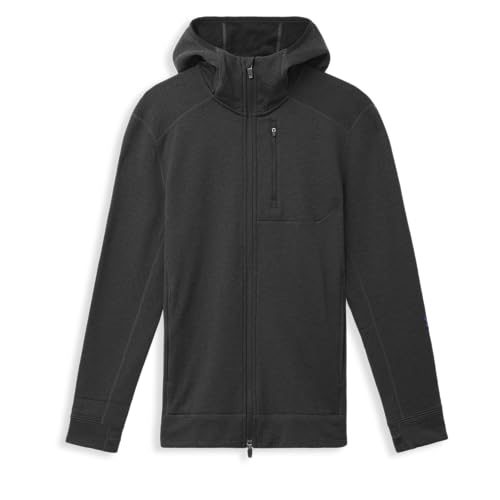
WARMEST MERINO WOOL HOODIE FOR MEN: Engineered for alpine extremes, the Mammoth Hoodie is Ibex’s warmest hoodie to date. Built with a dual-layer Merino wool construction, this heavyweight jacket is ideal for skiing, climbing, travel, or après. Designed to lock in warmth without sacrificing breathability, it offers unmatched comfort for cold-weather layering during high-output activities or downtime by the lodge.

MIDWEIGHT 100% MERINO WOOL base layer ideal for cold weather activities
Essential Features of High-Quality Base Layers
Cold weather can be a real downer, especially if you’re not dressed properly. Have you ever tried to enjoy a day outdoors, only to find yourself shivering because your base layers aren’t doing their job? Choosing the right ones is key for staying warm and cozy.
Start by looking for materials that wick away moisture. Merino wool or synthetic blends work great because they keep sweat from hanging around on your skin. You’ll want them to fit snugly, too; this helps trap heat by cutting down on air flow.
The best base layers are lightweight yet breathable. You don’t want to feel restricted, so they should allow for easy movement while keeping an eye on temperature regulation. If you’re really serious about staying comfortable, consider ones with advanced moisture management technologies, like FlashDry. Honestly, it makes a difference!
Durability is also important. Fabrics that resist odors can extend the life of your base layers, and that’s a win in my book. When you prioritize these features, you’re setting yourself up for a better experience outdoors when it gets chilly. Many high-quality base layers combine moisture-wicking and thermal insulation to maintain warmth without bulk.
Recommended Products

Upper: Tall height, stylish full-grain leather upper with nylon locking snow collar and built-in extendable gaiter to protect from the elements. Low-impact and environmentally sustainable B-Tek Eco materials. Double strap Velcro for easy fastening and added security, pull loop at the back for ease of entry.

Upper: Tall height, stylish leather and nylon upper with locking snow collar to protect from the elements, Low-impact and environmentally sustainable B-Tek Eco materials, Double buckle fastening for added security.

Upper: Tall height, nylon upper with locking snow collar to protect from the elements, Side-to-side lace fastening system with toggle, Slip-on style with pull loop at the back for ease of entry.
Layering Techniques for Maximum Warmth Outdoors
Staying warm outdoors can be a real challenge, especially when temperatures drop. So how do you keep the cold at bay? Effective layering techniques are the key to staying cozy while enjoying your time outside.
Start off with a solid base layer. This is the closest layer to your skin, and it should be made from moisture-wicking materials like synthetic fabrics or merino wool. Why is this important? It traps body heat and keeps sweat from cooling your skin, which can lead to chills when you’re out and about.
Next up is the mid-layer. Think of fleece or wool here, as they provide that extra insulation you need. Not only do they help trap warmth, but they also soak up any moisture that might build up from your activities. When you’re battling the elements, a good mid-layer can make all the difference in keeping you warm and dry.
For the outer layer, go for something windproof and waterproof, like Gore-Tex. This is your shield against wind, rain, and snow while still allowing your body to breathe. It’s essential to pick something that fits well, too; you want to avoid any unnecessary bulk that can limit your movement.
Here’s a quick tip: adjust your layers based on how active you are. If you’re standing still, you might want to keep everything on to retain heat. But when you get moving, venting your layers is crucial to avoid overheating.
In colder conditions, combining these layers will really enhance your warmth and comfort outdoors. Choosing base layer pants with moisture-wicking properties can further improve skin dryness and overall comfort. So, the next time you head outside, remember these tips and enjoy your adventure, no matter what the weather throws your way. How do you plan to layer up for your next outdoor outing?
Recommended Products

RESPONSIBLY SOURCED 100% Virgin Merino wool

LIFA STAY WARM TECHNOLOGY combines breathable warmth with the unique moisture management properties of the versatile LIFA Merino crew that adapts to any type of cold weather

Moisture Management in Thermal Clothing
Ever wonder why some people seem to stay warm while others can’t shake that chill? When you’re out in the cold, moisture management is key. Choosing the right thermal clothing can make all the difference, especially during outdoor activities.
So, what should you look for? Go for moisture-wicking fabrics like synthetic blends or merino wool. These materials do a great job of pulling sweat away from your skin, keeping your body temperature in check. Base layers are particularly important because they fit snugly, which helps manage moisture while providing added insulation. Plus, good wicking materials can trap air, cutting down on the cooling effects from sweat evaporation.
And let’s be real—avoid cotton at all costs. It holds onto moisture and can leave you feeling damp and cold. If you want to stay comfortable, look for advanced technologies, like FlashDry, that move moisture away quickly.
Many synthetic shirts also feature quick-dry properties that help maintain comfort during prolonged outdoor activities.
To recap, picking the right thermal clothing will help you stay dry and warm, even when the weather’s working against you. So, next time you’re gearing up for an outdoor adventure, consider how your clothing performs against moisture. Are you ready to face the chill?
Tips for Selecting Base Layers for Your Activities
Finding the right base layers can make or break your outdoor adventure, especially when you’re dealing with moisture. When you think about long underwear, what comes to mind? You want materials that keep you dry and comfortable. Go for moisture-wicking options like merino wool or synthetic blends instead of cotton that holds onto sweat and can leave you feeling cold.
Think about what you’re doing. If you’re into high-intensity sports, lightweight fabrics are your best bet. On the other hand, if you’re planning to spend a long time in the cold, make sure to grab a warmer pair.
Fit matters too. You want your base layers to fit snug against your skin, which helps with warmth and keeping moisture at bay. Loose-fitting layers might sound comfy, but they can actually allow cold air to sneak in, which is the last thing you want. Features like flatlock seams can be a lifesaver, preventing chafing when you’re on the move.
So, what’s the deal with layering? You shouldn’t stop at just base layers; they work best when combined with mid-layers and outer shells. This combo helps you regulate body temperature while staying warm, even when the weather isn’t on your side.
To maximize comfort and performance, look for materials with 4-way stretch to ensure unrestricted movement during your activity.
In short, picking the right base layer is key to enjoying your time outdoors. Have you thought about how your gear fits into your next adventure?
Recommended Products

100% MERINO WOOL: Skin soft wool & premium knit quality for maximum comfort, softness, & strength; Warm & breathable Nordic sweater with a feminine fit, ideal for skiing or après-ski; Sizes in S-XL

LEGENDARY EXPEDITION HOODIE: 95% Merino Wool 5% Spandex means your hoodie is super soft and extremely comfortable. The best in easy care technology means your merino wool is machine washable and dryable. Maximum insulation and awesome style makes the Minus33 merino wool full-zip hoodie an essential part of your everyday go-to-gear.

LEGENDARY EXPEDITION HOODIE: 95% Merino Wool is super soft and extremely comfortable. The best in easy care technology means your merino wool is machine washable and dryable. Maximum insulation and awesome style makes the Minus33 merino wool full-zip hoodie an essential part of your everyday go-to-gear.
Frequently Asked Questions
Is a Base Layer the Same as Thermal Underwear?
While a base layer isn’t always thermal underwear, we all know its benefits. Just like a cozy blanket regulates our warmth, a base layer’s moisture-wicking and insulation properties provide perfect layering techniques for temperature regulation.
What Is the Science Behind Thermals?
The science behind thermals lies in heat retention, moisture management, and thermal insulation. Using advanced fabric technology, layering systems enhance our comfort during outdoor activities, ensuring we stay warm and dry regardless of cold conditions.
What Is the 3 Layer Rule for Winter?
The 3 Layer Rule for winter gear is essential. We use layering techniques—base layers for moisture management, mid-layers for insulation properties, and outer layers to brave cold weather. This keeps us warm during outdoor activities!
How Do Thermal Base Layers Work?
Thermal base layers work through moisture management and heat retention, utilizing fabric technology to enhance insulation properties. Their design minimizes thermal conductivity, ensuring effective layering systems that keep us comfortable in cold conditions.