As an Amazon Associate, we earn from qualifying purchases. Some links on this site are affiliate links at no extra cost to you. Our recommendations are based on thorough research and editorial judgment.


The Science Behind Breathable Waterproof Fabrics

Ever been caught in a downpour, only to realize your jacket isn’t holding up? Breathable waterproof fabrics are lifesavers when you’re out there, keeping you dry from the rain while letting your sweat breathe. It’s a fine balance—blocking the outside water but allowing sweat vapor to escape, so you don’t feel like you’re wearing a plastic bag.
These fabrics usually come with a waterproof membrane, like GORE-TEX. The magic is in the tiny pores of these membranes that let vapor pass but keep water out. You want to pay attention to the Moisture Vapor Transmission Rate (MVTR); a rating above 20,000 g/m²/24 hrs is what you should look for if you’re serious about staying comfortable.
The other trick for staying dry is the Durable Water Repellent (DWR) finish. This coating helps water bead off your gear instead of soaking in. It’s a game changer—not the term, but a real difference when you’re in a storm!
To keep your gear in top shape for the long haul, make sure to maintain the DWR finish and follow the care instructions on the label. Neglecting these can lead to less effective gear, and nobody wants to be stuck out in the rain with a soggy jacket.
So, why does this matter? The right gear can make or break your outdoor adventures. Think about your experiences—are you often wet and uncomfortable because your equipment isn’t up to par?
As you prepare for your next outing, consider these tips for selecting and caring for breathable waterproof fabrics. They could be the difference between enjoying a hike and feeling miserable halfway through.
In short, invest in the right gear, and don’t forget to take care of it. What’s one adventure you’ve had that could have been better with the right waterproof gear?
Key Takeaways
- Breathable waterproof fabrics keep moisture out while allowing sweat vapor to escape, enhancing comfort during varying weather conditions.
- Waterproof membranes feature tiny pores that block water droplets but permit vapor molecules to pass, promoting breathability.
- The Moisture Vapor Transmission Rate (MVTR) measures breathability; higher values (over 20,000 g/m²/24hrs) indicate better performance.
- Durable Water Repellent (DWR) coatings assist in water beading and improve moisture vapor escape while requiring occasional reapplication for optimal performance.
- Fabric testing standards, such as hydrostatic pressure resistance, help determine the effectiveness and reliability of waterproof gear under wet conditions.
What Are Breathable Waterproof Fabrics?
Breathable waterproof fabrics are more than just a fancy term; they’re an essential part of staying comfortable when you’re out and about, especially during unpredictable weather. Have you ever been caught in the rain, only to sweat buckets because your gear didn’t breathe? That’s where these fabrics come in. They’re designed to keep the wet stuff out while letting vapor from your sweat escape—pretty neat, right?
When you’re choosing outdoor gear, look for fabrics that boast a high Moisture Vapor Transmission Rate (MVTR). Aim for something over 20,000 g/m²/24hrs for optimal breathability. You might not think about it at first, but this is really key if you want to stay dry no matter how hard you’re working or how heavy the rain falls.
The best part? Many of these breathable, waterproof fabrics come with a Durable Water Repellent (DWR) coating. This means water won’t just soak in—it’ll bead up and roll right off. Plus, common construction methods like 2.5-layer and 3-layer designs add durability without sacrificing comfort. So, if your gear is built well, it can handle whatever nature throws at you.
To maximize comfort, look for jackets with seam-sealed construction that prevent leaks through stitch lines, ensuring you stay dry inside.
Honestly, understanding the details of these fabrics can make all the difference in your outdoor experiences. Choosing the right gear can help you stay dry and comfortable on those long hikes or unexpected adventures. So, next time you’re shopping for gear, think about these features and how they can improve your time spent outdoors. What outdoor activities do you love most that would benefit from staying dry and comfortable?
Recommended Products

Material: Made with our core cotton/nylon fabric, this Jacket is extra warm, breathable & durable. Featuring a down-fill insulation (80/20 duck down loft) & blue fox fur-trimmed hood, you will not have to worry about the cold, no matter the wind chill.

Durable recycled polyamide with a waterproof and breathable Hydratic liner.

Developed together with ocean pro-racers, this hardy sailing jacket gives seasoned sailors and racers maximum protection.
Understanding How Waterproof Membranes Work?
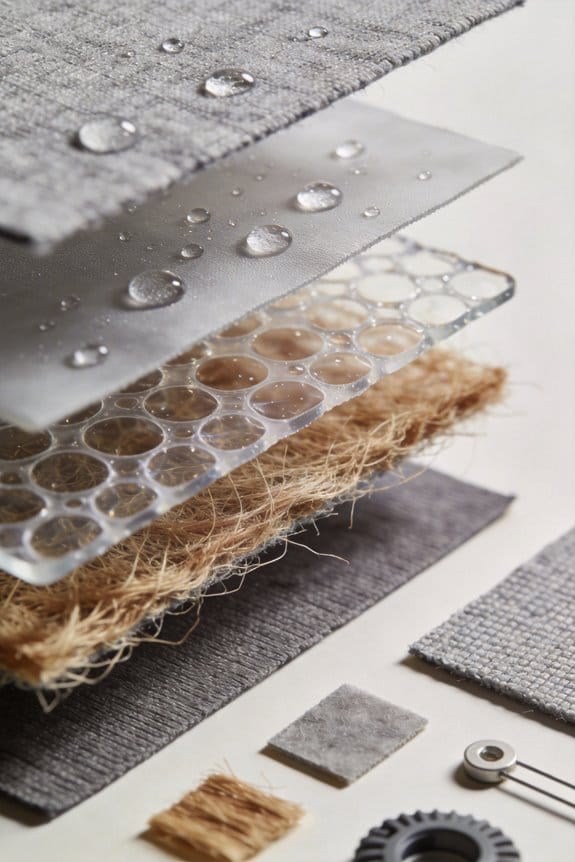
Ever been out for a hike or a run when the sky suddenly opens up? It’s the worst, right? That’s where waterproof membranes come into play. They’re designed to keep you dry from rain while still letting sweat escape—because nobody likes feeling like a human sauna.
These membranes have tiny pores that are way smaller than water droplets, which means they can block rain but still allow moisture vapor to pass through. Take GORE-TEX, for example. Its pores are about 20,000 times smaller than a water droplet. This is why it’s so popular; you don’t have to choose between staying dry and sweating too much.
You might wonder, “Why does this even matter?” Well, some membranes are hydrophobic, meaning they repel water. Others are hydrophilic, which means they can absorb some moisture but still allow vapor to escape. When you’re out there battling the elements, the breathability of these membranes becomes crucial. It’s measured in something called the Moisture Vapor Transmission Rate (MVTR). If you see a number like 20,000 g/m²/24hrs, that’s a good sign—it means the gear will perform well.
So, how do these membranes fit into outdoor jackets? Advanced designs like 2.5-layer and 3-layer laminates combine high-quality outer fabric with the waterproof membrane. This combo creates jackets that are not just waterproof but also breathable, making your outdoor experience a lot more comfortable.
Many high-performance ski jackets use features like fully taped seams to enhance waterproof capabilities alongside these membranes.
Bottom line: If you’re serious about staying dry and comfortable during your outdoor adventures, understanding waterproof membranes is key. What’s your go-to gear for unpredictable weather?
DWR: Enhancing Performance in Waterproof Fabrics
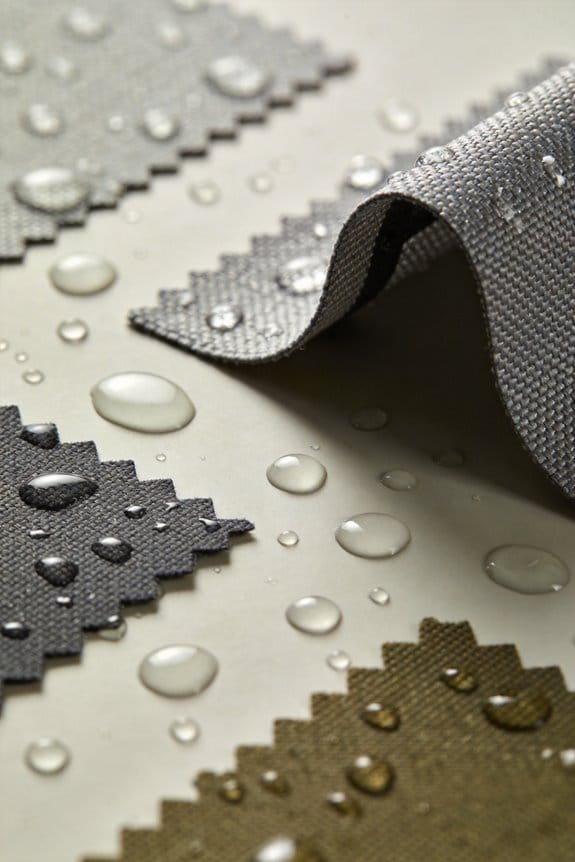
Ever been caught in the rain with soggy gear? A Durable Water Repellent (DWR) finish on your outdoor stuff really helps. It works hard to keep water beading up and rolling right off, so you stay drier and more comfortable. Plus, it lets moisture vapor escape, which means better breathability for you. That’s pretty important when you’re out and about.
But here’s the catch: DWR doesn’t last forever. With regular wear and tear, along with washing, it can wear off. So, it’s smart to give it a refresh now and then if you want to keep that water resistance intact. Try this: look for products specifically made for DWR reapplication and make sure to follow the instructions from the manufacturer.
Now, you might be wondering—why should you care about DWR? Well, keeping your gear water-resistant not only keeps you dry but also extends the life of your favorite outdoor wear.
And let’s be honest, there’s a growing push for eco-friendly options out there. If you’re concerned about environmental impact, you can find DWR treatments made from synthetic materials that are less harmful to the planet. Give those a whirl!
In short, keeping up with your gear’s DWR treatment is a small step that goes a long way. Choosing jackets made from durable, waterproof materials ensures better protection and longer-lasting performance. What’s your favorite rainy day adventure?
Recommended Products

Waterproof midlayer jacket with LIFALOFT in a clean and technical all purpose marine design.

SIZING: Castelli products have a close-to-the-body fit to maximize aerodynamics and performance. For a less compressive feel, or if your measurements fall between sizes, we recommend that you size up.

Waterproof midlayer jacket with LIFALOFT in a clean and technical all purpose marine design.
Technologies Enhancing Breathability
Ever find yourself in a situation where you’re sweating buckets, but your gear is still soaked? It’s a real headache, right? Keeping your gear dry is essential, but breathability is just as crucial. Here’s where things like microporous membranes come into play. You’ll find these in products like GORE-TEX. They block liquid water while letting moisture vapor escape, which is a big win in the battle against sweat.
Pay attention to the moisture vapor transmission rate (MVTR) on those tags. Higher values mean better breathability, so don’t just grab any jacket off the rack. Plus, hydrophilic coatings are your friends; they absorb sweat vapor and help it move through the fabric, keeping you more comfortable.
Need something a little more cutting-edge? Look for breathable jackets made with electrospinning technology. These fabrics are stretchy and lightweight, perfect for staying active without feeling weighed down. It’s also worth checking the outer shell fabric’s air permeability. More airflow means more comfort, but keep in mind that while high air permeability boosts breathability, it might cut down on wind resistance and waterproof effectiveness.
For longer-lasting protection, consider gear with sealed seams that enhance waterproofing without compromising breathability.
Recommended Products

Made of a breathable nylon, polyurethane, and nylon trilaminate blend, the Evertech Dry lets you evacuate body perspiration while keeping water out and your body dry.

Durable recycled polyamide with a waterproof and breathable Hydratic lining.

Protection Rating - Level 4: Canada Cold – Tailored and engineered specifically to endure the extreme cold of Canada - the True North.
Testing Standards for Waterproof Fabric Ratings
Ever tried to stay dry in a rainstorm only to find yourself soaked because your jacket didn’t hold up? If you’ve been there, it’s time to pay attention to waterproof fabric ratings. Understanding how these fabrics are tested can make all the difference when you’re gearing up for your next adventure.
Waterproof fabrics usually go through hydrostatic pressure tests. This is where they measure how much water pressure the material can withstand before it starts to leak. The results are given in either millimeters or psi. For instance, if you’re shopping for rainproof gear, know that the REI Co-op sets the bar at a minimum of 3 psi (or about 2,109 mm).
But it doesn’t stop there. You’ll want to consider breathability as well. Fabrics that are waterproof can often trap moisture inside, making you feel clammy. That’s where the moisture vapor transmission rate (MVTR) comes in. Unfortunately, there isn’t a universal method for testing this, so breathability ratings can vary from brand to brand. This can make it tricky to evaluate how well one piece of clothing will perform compared to another.
So, why does understanding these ratings matter? It’s all about helping you find the right gear for your specific needs. Each company might have its own testing procedures, so it’s beneficial to do a little homework.
Additionally, focusing on jackets with advanced breathability technologies like GORE C-KNIT backer can greatly enhance comfort during strenuous activities.
When choosing your waterproof clothing, keep these tips in mind:
- Look for a solid hydrostatic pressure rating.
- Check if the brand provides MVTR data.
- Don’t hesitate to reach out to customer service for clarifications.
In the end, knowing these testing standards will help you identify the best breathable outdoor gear. Have you had experiences with waterproof fabrics that surprised you?
How to Choose and Maintain Your Rain Gear
How do you figure out which rain gear to buy? First off, take a close look at the waterproof rating. Aim for at least 3 psi (2,109mm) if you want reliable protection from those pesky downpours. Also, consider what you’ll actually be doing and the kind of weather you might face. Breathability is important too; gear that has features like underarm zips can really help moisture escape so you stay comfortable.
When it comes to staying dry, layering is your best friend. Go for lightweight insulating layers that let you manage your temperature easily. And let’s not forget about keeping that gear in tip-top shape. Regular maintenance really makes a difference—make sure to follow the manufacturer’s care instructions.
Don’t skip on reapplying Durable Water Repellent (DWR) treatments every so often to maintain that water-repellent surface. When washing, use specialized products and rinse everything well to get rid of soap residue. Proper care isn’t just a minor detail; it really affects how well your rain gear performs and how long it lasts. Choosing rain pants with fully seam-sealed construction can also greatly improve your waterproof protection in harsh conditions.
Recommended Products

Light, durable and extremely weatherproof, the Aegir Race sailing jacket delivers full protection from punishing waves and wind.

Classic Fit - A tailored straight-leg cut for wide range of movement

Classic Fit - A tailored straight-leg cut for wide range of movement
Frequently Asked Questions
Can Breathable Waterproof Fabrics Be Recycled?
Yes, breathable waterproof fabrics can be recycled, especially with advancements in recycling processes and material recovery. By adopting sustainability practices and closed loop systems, we can enhance fabric decomposition and reduce environmental impact through effective waste management.
How Do Temperature and Humidity Affect Fabric Performance?
Temperature affects fabric performance by influencing moisture management and breathability, while humidity impacts the waterproof barrier and can lead to condensation issues. We’ve seen innovations focused on balancing thermal comfort under varying environmental conditions through thorough performance testing.
Are There Eco-Friendly Options for Waterproof Fabrics?
We’re all in the same boat when it comes to eco-friendly options for waterproof fabrics. Brands now offer sustainable choices like biodegradable materials, organic cotton, and upcycled fabrics to minimize environmental impact for eco-conscious consumers.
What Are Common Misconceptions About Breathable Waterproof Materials?
Common misconceptions about breathable waterproof materials include performance myths around moisture management, fabric layering, and insulation properties. Consumer education highlights the importance of breathability testing and fabric maintenance, especially under varied climate conditions and through comparison analysis.
How Do I Know if My Fabric Is Breathable?
To know if our fabric’s breathable, we can check breathability testing results, focusing on air permeability and moisture management. Understanding fabric structures and layering helps guarantee peak performance standards and enhances our overall user experience and climate adaptation.