As an Amazon Associate, we earn from qualifying purchases. Some links on this site are affiliate links at no extra cost to you. Our recommendations are based on thorough research and editorial judgment.


What Are Stretch Fabrics and How Do They Maintain Shape?

Have you ever put on a pair of workout leggings only to find they just don’t move with you? That’s a bummer! Stretch fabrics, like Spandex and Lycra®, can really save the day. They’re made with elastic fibers that help them bounce back into shape, offering you both comfort and flexibility.
If you’re into activewear, these fabrics are often a go-to because they adapt well to different body types, making sure you feel good while you move.
Some popular choices include jersey knit and power mesh, which can stretch either two ways or four ways. If you’re wondering how to care for these amazing fabrics, here’s the trick: wash them gently in cool water and let them air dry. It’s a simple way to keep them in tip-top shape for longer.
Thinking about how they fit into your wardrobe? These stretch fabrics are fantastic for yoga pants, sports bras, and even casual wear. You don’t have to take my word for it, just give it a try—you’ll notice the difference when you wear them!
The best part is, you’re not limited to just one style or purpose. Stretch fabrics can enhance any outfit, adapting seamlessly to your day-to-day life. They’re not just for the gym, so why not explore everything they have to offer?
In summary, stretch fabrics are a great investment for both comfort and versatility. Have you tried any yet? Let me know what you think!
Key Takeaways
- Stretch fabrics contain elastic fibers like Spandex, allowing for flexibility and comfort in clothing.
- They maintain shape through durable construction that resists distortion after movement.
- 4-way stretch fabrics adapt to body shapes, enhancing fit and support for activities.
- Gentle care, including washing in cold water and air drying, helps preserve elasticity.
- Applications in activewear and everyday clothing leverage their ability to return to original shape after stretching.
What Is Stretch Fabric and Why Is It Special
Have you ever tried on a piece of clothing that just moves with you? That’s the magic of stretch fabric. It’s got this cool ability to stretch and bounce back, thanks to a little help from fibers like Spandex or Lycra® mixed in—typically around 2% to 5%. This blend makes it super comfy while still allowing for flexibility, especially with knit fabrics that provide mechanical stretch.
Now, there are two main types of stretch you should know about. First, there’s 2-way stretch that lets you move side-to-side. Then you have 4-way stretch, which is even better because it bends in all directions. This is perfect for activewear if you like to hit the gym or go for a run.
Some popular stretch fabrics you might come across include:
- Jersey knit: Soft and drapes beautifully.
- Stretch denim: It feels comfortable while giving you that classic look.
- Power mesh: A breathable option that’s great for sports.
So, why does this matter? Caring for your stretch fabric is essential if you want it to last. Make sure to wash it gently and steer clear of hot water.
Stretch fabrics are often blended with materials like nylon or polyester to add durability and moisture-wicking capabilities for outdoor use.
The best part is, with proper care, your stretch items can stay looking great and feeling comfy longer. Have you tried any of these fabrics yet? If not, what are you waiting for?
How Stretch Is Created: Materials and Construction

Have you ever wondered how some fabrics manage to stretch just right? It’s actually all about the materials and how they’re made. You usually find stretchy fibers like Spandex, Elastane, and Lycra® in the mix—typically around 2% to 5% of the fabric. These fibers not only provide that essential stretch but also help keep things lightweight and water-resistant.
When it comes to how this stretch is created, construction methods play a big role. Think about knit fabrics, which are made from looped yarns and inherently offer more flexibility. On the flip side, woven fabrics have a more rigid structure and generally don’t stretch as much. If you’re looking for specific examples, jersey knit is soft and comfy, rib knit adds interesting texture, and spandex blends offer flexibility for active wear. So, why does this matter? It affects how well your clothes fit and move with you!
To keep that lovely elasticity intact, it’s also important to pay attention to how you care for your clothes. Avoid hot water and chlorine bleach—they can wear down that stretch over time. Trust me, taking these small steps really makes a difference in how long your favorite outfits last.
In short, understanding how stretch is created helps you choose the right fabrics and take care of them properly. It’s also important to note that spandex materials allow easy movement, which is why they are popular in utility cargo pants designed for enhanced comfort and flexibility. What’s your go-to fabric for comfort and stretch?
Recommended Products

95% cotton 5% spandex fabric: FabricLA cotton spandex fabric blends the soft comfort of cotton with the flexible stretch of spandex, making it ideal for sewing breathable, comfortable, and fitted apparel.

✿ Premium 4-Way Stretch Performance Fabric: High-quality nylon spandex blend designed for superior flexibility, durability, and long-lasting elasticity. Moves effortlessly with the body, making it perfect for fitted garments and high-movement apparel.

[ SOLD BY INDIVIDUAL UNITS ] – Each quantity comes in a separate piece. If you choose 1-Yard with the quantity of 5, you will receive 5 separate 1-Yard pieces. If you choose 2-Yards with the quantity of 5, you will receive 5 separate 2-Yard pieces
Understanding the Difference: 2-Way vs. 4-Way Stretch

Ever tried on a shirt or pair of pants only to feel restricted when you move? That’s likely the result of the fabric choice. Let’s break down the differences between 2-way stretch and 4-way stretch so you can pick what’s best for your style and comfort.
2-way stretch fabrics are designed to stretch primarily side-to-side. They’re great for fitted clothes where you want comfort in specific areas. Think of that favorite fitted shirt or tailored pair of jeans you love—they probably use this type of fabric.
On the other hand, 4-way stretch fabrics are a whole different ballgame. These materials can stretch both horizontally and vertically, giving you more freedom of movement. This is why you’ll spot them in activewear, like leggings and yoga pants. You’re likely to appreciate the extra flexibility during your workouts or even just playing around with the kids at the park.
Now, how do these stretches work? 2-way stretches generally rely on elastic fibers, which help fabrics expand in one direction. In contrast, 4-way stretches often use special techniques that let fabrics give in multiple directions. So, why does this matter? Choosing the right stretch impacts how a garment fits, feels, and performs based on what you need from it.
When you’re picking out clothes, think about your activities throughout the day. Do you need something more fitted or do you want the freedom to move around? The best part is, understanding these differences means you’re empowered to make smarter choices when you’re shopping.
Additionally, materials with articulated designs enhance freedom of movement by complementing stretch fabric capabilities for active use.
Recommended Products

These no-fuss pants were designed to fit like a second skin—perfect for yoga or the gym.

Note: Leggings and Jeggings will ship with UK size tags. The conversion from US to UK sizing is +4. For example, if you order size US 6 leggings they will arrive with UK 10 size tags.Lengths are noted as : Short (30" Long), Regular (32" Long) and Tall (34" Long).
Note: Leggings and Jeggings will ship with UK size tags. The conversion from US to UK sizing is +4. For example, if you order size US 6 leggings they will arrive with UK 10 size tags.Lengths are noted as : Short (30" Long), Regular (32" Long) and Tall (34" Long).
Common Types of Stretch Fabrics to Know
Ever find yourself staring at your closet, wondering what to wear? The struggle is real, especially when you want something that’s comfy but still looks good. That’s where stretch fabrics come in; they’re perfect for a range of garments and can really elevate your style.
First up is jersey knit. This one’s a must-have for casual wear. It’s super soft and has that comfy stretch that makes you feel like you’re lounging even when you’re out and about. If you’re looking for something a bit more fitted, give rib knit a try. With its eye-catching visible ribs, it adds just the right amount of elasticity to items like turtlenecks, hugging your body in all the right places.
Now, let’s talk about spandex blends. These are pretty popular nowadays, and for good reason. Just a small amount—around 2% to 5%—of spandex can transform your everyday clothing or activewear, giving you that extra flexibility. You’ll hardly even notice it’s there, but you’ll appreciate the difference when you’re moving around.
Speaking of comfort, stretch denim is another fabric that deserves a shout-out. It blends classic denim with spandex or elastane, so you get the timeless look without sacrificing comfort. Honestly, who doesn’t want that?
And if you’re into sports or shapewear, power mesh or net fabric is your friend. This fabric is all about breathability and support, allowing you to move freely while giving you that extra boost.
For outdoor activities like hiking, fabrics with moisture management capabilities are essential to keep you comfortable and dry.
Recommended Products

PREMIUM DENIM: Crafted from premium non-stretch denim; structured construction helps maintain the intended shape and fit
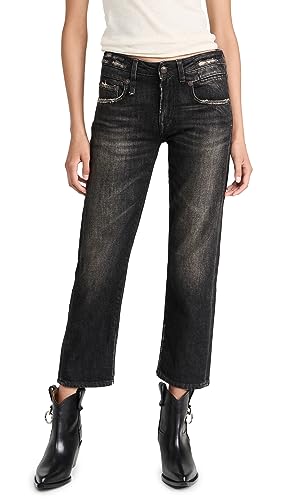
Fabric: Mid-weight, non-stretch denim

Fabric: Heavyweight non-stretch denim
How Stretch Fabric Enhances Comfort and Fit in Clothing
When you’re looking for clothes that move with you rather than against you, stretch fabric is the way to go. Ever tried on a pair of leggings that felt like they were made just for your body? That’s the magic of stretch fabrics—they’re designed to enhance comfort so you can go about your day without feeling stuck or restricted.
These fabrics really have a knack for adapting to different body types. Whether you’re curvy, athletic, or somewhere in between, stretch materials provide a fit that feels tailored just for you while still holding their shape. For those who like to stay active, consider options like yoga pants or leggings made from 4-way stretch fabric. They give you the freedom to bend and move, which is super important during your dynamic workouts.
When exploring these fabrics, look for ones containing 2% to 5% Spandex or Elastane. This little bit of stretch is what gives you the flexibility you need. Plus, knitted fabrics, with their looped yarns, add even more natural movement and comfort.
So, why does this matter? Because when you choose garments made from stretch fabric, you’re investing in pieces that not only fit well, but also feel amazing all day long. Choosing clothing that looks great while feeling comfortable can really boost your confidence. Honestly, what’s better than that?
You deserve a wardrobe that works with you, not against you. So next time you shop, keep an eye out for those stretchy materials and enjoy the comfort they bring! What’s your go-to piece that combines both comfort and style?
Adding quick-drying and moisture-wicking properties to stretch fabrics can significantly enhance comfort and mobility in activewear and outdoor clothing.
Finding Stretch Fabric Beyond Your Closet
Have you ever taken a moment to appreciate the stretch fabrics that surround you? They’re not just for the clothes in your closet—they’re everywhere and can make your life a lot easier. For instance, if you love spending time outdoors, think about how stretchy materials can make your gear more comfortable. You might want to look for fitted tablecloths or elasticized cushion covers around your home. They don’t just fit perfectly, but they also add a touch of style to your space.
Wondering where else these versatile fabrics pop up? In the medical world, compression sleeves and support bandages use stretch materials to aid recovery in a comfortable way. Not to mention, activewear brands have jumped on board, crafting clothing that enhances flexibility for everything from yoga to cycling.
And it doesn’t stop there! Stretch fabrics are even found in car seat covers, offering a snug fit that stays in place, and furniture upholstery, making your seating look polished while still being practical.
Additionally, outdoor enthusiasts benefit greatly from stretch fabric in hiking cargo pants, which provide freedom of movement and reduce chafing during activities.
Recommended Products

5th Wheel Cover: Fits 5th wheels 41' - 44' long, 140" high from ground to roof

Class A Motorhome Cover: Fits Class A RVs 37' - 40' long, 140" high from ground to roof

DURABLE TRAVEL TRAILER COVER: Fits 5th Wheels from 29 to 44 feet Long, 140" Max Height
Essential Care Tips for Stretch Fabrics
Ever wonder why your favorite stretchy top looks worn out even after just a few washes? It’s all about how you care for those fabrics. Taking a bit of time to follow the right steps can keep them looking fresh and lasting longer.
First things first: check the care label. It might have specific washing instructions that are crucial for that particular piece. Stick to cool or warm water; hot water can mess with the elastic fibers. When it comes to drying, air drying is the way to go. It helps prevent shrinkage and keeps the fabric strong. If you really need to toss it in the dryer, choose a low heat setting to maintain its shape and elasticity.
Here’s a solid tip: avoid chlorine bleach like it’s the plague. That stuff can break down your beloved fabrics quicker than you think. Consider gentle washing options, such as hand washing or using a mesh laundry bag. These methods can be less harsh and will keep your stretchy favorites in good shape longer.
So, why does this matter? Well, it ensures that those comfy clothes won’t lose their vibe after just a few wears. The best part is, following these care tips can really allow you to enjoy wearing your outfits without the worry of them falling apart.
Additionally, using fabrics with stretch properties and durability like ripstop or stretch fabrics enhances both comfort and longevity in activewear.
To sum it up, treat your stretch fabrics right and they’ll treat you back. What are your go-to tips for keeping your clothes looking great?
How Stretch Fabric Improves Movement and Comfort
Have you ever tried to do a workout in stiff, restrictive clothes? It can feel like you’re dragging around extra weight instead of moving freely. That’s where stretch fabrics come in, making a real difference in how you feel in your clothes.
So, what’s the deal with stretch fabrics? They’re made with elastic fibers like Spandex and Elastane, which gives them a ton of flexibility. This means they can stretch in different directions, making them perfect for activewear and sports gear. Think about your favorite yoga pants or leggings; these typically have 4-way stretch, allowing you to bend, twist, and stretch without feeling constricted. That level of movement might be why they’ve become wardrobe staples for so many.
Here’s the trick: when you choose fabrics with knit construction, you get mechanical stretch, which adds even more flexibility during your activities. Plus, one of the best parts about stretch fabrics is their ability to bounce back. They return to their original shape after you’ve moved around, so they maintain their fit and look great over time. That kind of durability means not only are you comfy, but your clothes also last longer, which is a win-win.
Want to keep that comfort consistently? Look for items that prioritize stretch in their design. Fabrics that hold their shape, like those made with a blend of materials incorporating stretchy fibers, can make a huge difference. This attention to fabric is key because, frankly, no one wants to feel constricted while they’re trying to enjoy physical activities or even just going about their daily lives.
Choosing Flex Labels and Packaging for Stretchy Items
When it comes to labeling and packaging stretchy items, you’ve probably faced the challenge of finding the right fit. The fabric needs flexibility and so does the label. Flexible options, like heat transfer labels, are great because they stick well and move with the fabric. This means it’s comfortable for the wearers—no irritation from stiff labels!
Ever thought about traditional woven labels? If they’re not made from soft materials, they can really rub against the skin in an uncomfortable way. So, it’s best to skip those unless they’re super soft.
Now let’s talk about shipping. Choosing the right custom poly mailers is key. You want something that fits snugly around your stretchy items to prevent any tearing during transport. Also, don’t forget about those attractive hang tags; they not only look good but also help showcase your brand.
Here’s the trick: select materials that maintain flexibility and steer clear of anything stiff. This helps keep your stretchy items comfy and stylish. Thinking about the usability of your labels and packaging can enhance the overall experience for your customers.
In short, when selecting labels and packaging for stretchy items, prioritize comfort and flexibility. It’s all about keeping things cozy and appealing, right? To ensure durability through various conditions, it’s important to consider materials with multi-layer fabrics that provide both protection and flexibility. What’s your go-to choice for stretchy item packaging?
Recommended Products

Eight universal 2.5 or 3.5-inch SSDs/HDDs drive bays w/ Dual Thunderbolt 3 ports (Thunderbolt 2/Thunderbolt backward compatible)

Superior Vapor & Spill Control: Ensure a safer environment with our Hazardous Storage Flammable Cabinets. Integrated ventilation actively manages volatile fumes, while a built-in spill sump securely contains accidental leaks within the Hazardous Storage Flammable Cabinets, preventing workplace contamination and hazards

Omni-directional movement, first-person view: The chassis is equipped with 4 high-performance encoder geared motors and 4 omnidirectional mecanum wheels, ArmPi Pro can realize 360° movement. Combined with HD camera ending in robot arm, it also provides a first-person view.
Frequently Asked Questions
What Are Stretch Fabrics?
Stretch fabrics are materials designed to flex and return to their original shape, featuring unique stretch characteristics. We appreciate how they provide comfort and flexibility, making them perfect for activewear, fitted garments, and more.
What Fabrics Keep Their Shape?
When we consider fabrics that keep their shape, we should focus on those with excellent shape retention, like rib knits and jersey knits, as well as blends containing elastic fibers for added flexibility and resilience.
What Is the Unhealthiest Fabric to Wear?
When we think of comfort, synthetic materials often feel like a cozy trap. The unhealthiest fabric to wear is indeed these man-made fibers, which can stifle our skin, leading to discomfort and irritation over time.
Can You Sew Stretchy Fabric With a Regular Sewing Machine?
Yes, we can sew stretchy fabric with a regular sewing machine! By using proper sewing techniques, like a zigzag stitch and a ballpoint needle, we’ll achieve the flexibility and durability needed for our projects.