As an Amazon Associate, we earn from qualifying purchases. Some links on this site are affiliate links at no extra cost to you. Our recommendations are based on thorough research and editorial judgment.

How Insulation Works: Loft, Fill Power, and Warmth-to-Weight Ratio

When it comes to staying warm, insulation is key, right? Down insulation really shines due to a few important factors: loft, fill power, and warmth-to-weight ratio. Let’s break these down so you know what to look for on your next adventure.
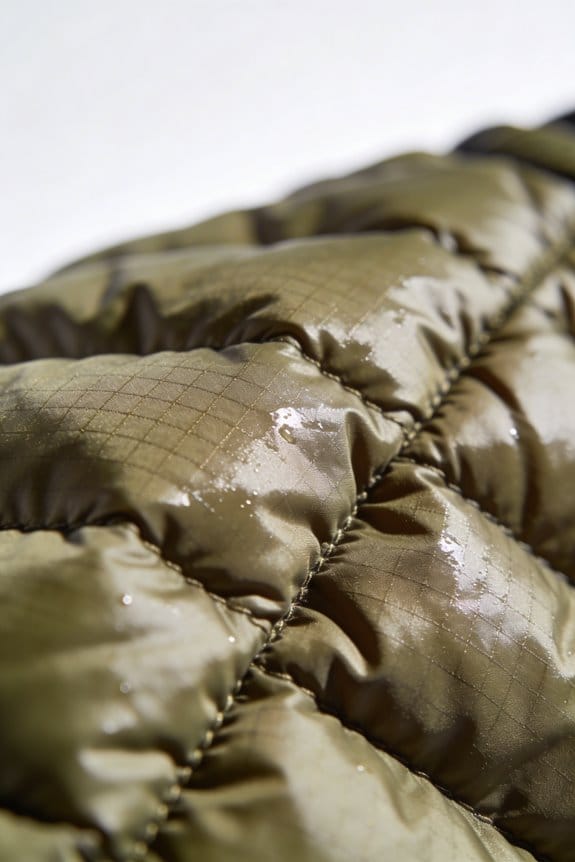
First off, let’s talk loft. This is all about how fluffy the insulation is. The fluffier the insulation, the more air it traps, which means better warmth for you. So, when you’re checking out jackets or sleeping bags, keep an eye on how puffy they are. A good loft can make all the difference on a chilly night.
Then there’s fill power. This is a measure of how much space one ounce of down fills. A higher fill power means better heat retention. For instance, an 800 fill power rating is excellent. It’s kind of like comparing a great comfy blanket to an average one—the better the fill power, the cozier you’ll be.
Truth is, when temperatures drop, having the right fill power could save you from shivering.
Next up is fill weight. This is the total amount of down used. The more down you have, the warmer you’ll stay. But remember, you don’t want it to feel heavy and bulky either. Balancing warmth and weight is essential to ensure you can still move comfortably.
So, why does the down-to-feather ratio matter? The simple answer is: more down means better insulation. Down is better at trapping heat than feathers, so when you’re making a choice, look for products with a higher down percentage.
In short, when choosing down insulation, consider what’s important: loft, fill power, fill weight, and the down-to-feather ratio. Each factor plays a role in keeping you warm, so take a moment to think about what you really need.
When you’re out shopping, keep these tips in mind to find the perfect insulation for your needs.
What’s your go-to trick for staying warm in cold weather?
Key Takeaways
- Loft is the height of the insulation, with higher lofts providing better warmth retention by trapping more air.
- Fill power measures the insulation’s efficiency; higher numbers indicate greater fluffiness and superior thermal performance.
- The warmth-to-weight ratio assesses how effectively insulation retains heat relative to its weight, with higher ratios being more desirable.
- A high down-to-feather ratio signifies more pure down, enhancing heat retention and overall insulation quality.
- Fill weight influences warmth, where more fill generally leads to better insulation, especially in colder conditions.
What Is Down Insulation and How Does It Work?
Ever been outside in the cold and wished you could wrap yourself in a cozy blanket? That’s where down insulation comes in, and it’s a real lifesaver for staying warm. Made from the soft undercoats of ducks and geese, down clusters trap air, which helps hold onto your body heat. Basically, it creates this wonderful cocoon of warmth around you.
So, what do you look for when shopping for down insulation? Start with the fill power—the higher the number, the fluffier and warmer the insulation. For example, if you see a jacket like the Bushbuck Furnace sporting a 160g fill weight and an impressive 800 fill power, that’s an excellent sign it’ll keep you warm without looking like a giant marshmallow.
Also, pay attention to the down-to-feather ratio. A 90/10 ratio is a great benchmark for optimal insulation. But don’t stop there! If you’re planning on being outdoors, consider opting for hydrophobic down treatments. They help the insulation resist moisture, so you won’t end up soggy during unexpected drizzles or sweat from vigorous activity.
Why does this matter? Well, it means you can enjoy your outdoor adventures without constantly worrying about the cold or getting wet. When you choose the right down insulation gear, you’re investing in comfort and performance. Don’t forget to consider how you’ll be using it—your hike, camping trip, or outdoor exploration will thank you for that!
Additionally, the loft and thickness of the insulation significantly impact the heat retention and overall warmth of the jacket.
How Down Fill Power Determines Insulation Effectiveness
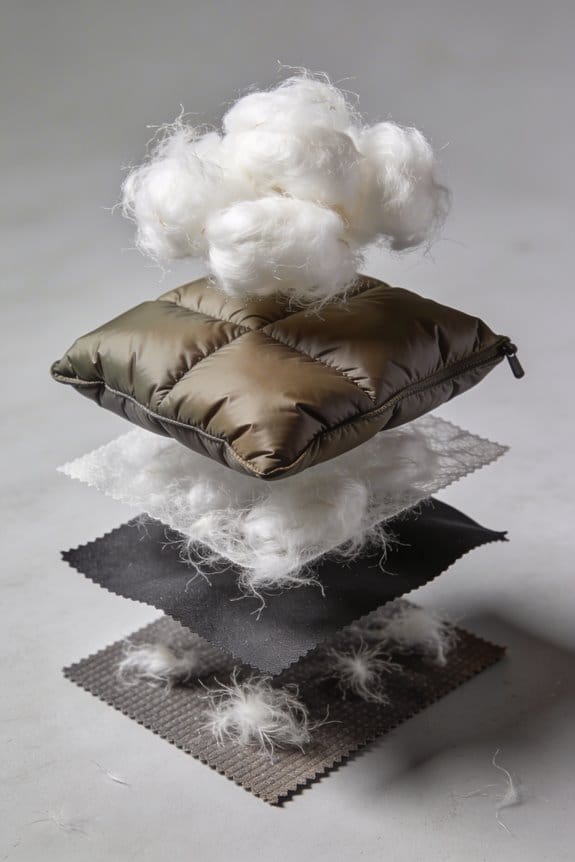
How does fill power affect your warmth in down gear? When you’re choosing down insulation, understanding fill power is key. It’s all about loft—the higher the fill power, the better it retains heat and compresses. For instance, an 850 fill power down means it takes up 850 cubic inches per ounce, which shows it traps air and warmth more effectively than lower ratings.
So, what does this mean for you when you’re shopping for outdoor gear? A jacket with 800 fill power can keep you warm with less down than one with a lower rating, which is super helpful for keeping bulk down. Generally, fill power can vary from 500 to over 900, so you have options. If you’re looking for a great balance between warmth and weight, aim for at least 550 fill power.
Truth is, both fill power and fill weight matter when it comes to how effective your insulation is. So, when you’re gearing up for chilly adventures, remember to check these factors. It can make a big difference in keeping you cozy while you’re out there enjoying nature. What’s your go-to gear for the cold? Also, consider the thermal insulation type, such as synthetic or natural down, to best match your activity and weather conditions.
Recommended Products

All-Mountain Jacket | Lightweight puffy provides warmth for year-round, mountainous pursuits.

11.1 oz. (Large)

850 Fill Goose Down: This men’s down jacket is filled with 90% goose down and 850 fill power insulation, which is treated with a water-repellent coating, forming a hydrophobic barrier to resist moisture and retain warmth in damp or snowy conditions. The high-density fiber shell uses professional anti-down stitching to lock in insulation
How Fill Weight Affects Your Down Jacket
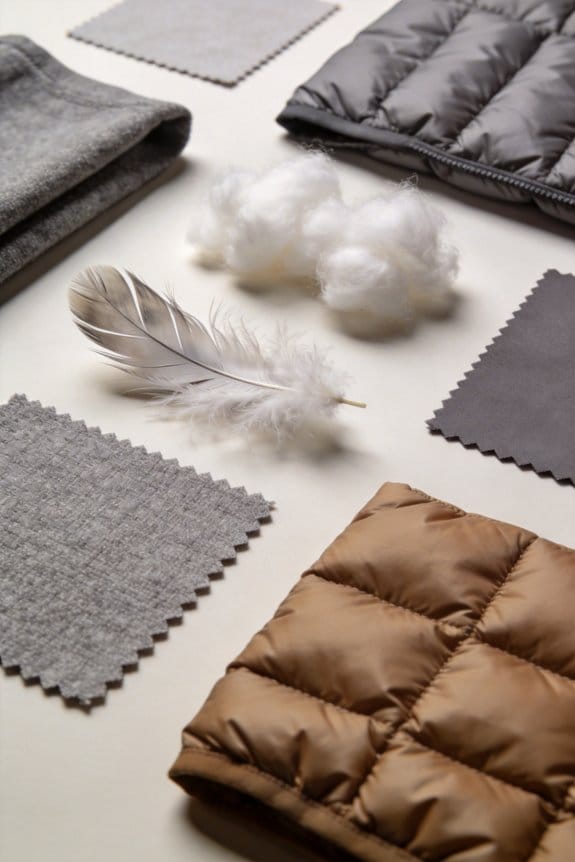
When you’re on the hunt for a down jacket, you might feel overwhelmed by the choices out there. One key detail you don’t want to overlook is fill weight. This simply refers to how much down insulation the jacket has, and it’s usually noted in ounces or grams. The tricky part? More fill weight generally means more warmth, but it can also add extra bulk and weight.
For example, consider a jacket with 800 fill power and 6 ounces of down. It’ll keep you warmer than a jacket with 500 fill power that weighs the same. So, you might be wondering, how do you get it right? Finding that sweet spot between fill weight and fill power is the ticket to staying cozy in cold weather.
Jackets made for really chilly conditions tend to have higher fill weights. This helps ensure you’re warm enough during those frosty adventures. Here’s the trick: when you’re comparing jackets, really look at these numbers. They matter more than you may think when you’re out there enjoying the great outdoors. Also, pay attention to insulation efficiency ratings which indicate how well the jacket retains heat relative to its weight.
Recommended Products

Spacious Comfort & Breathable Mesh: This office chair features a spacious 19.7" wide backrest and a large 20.5" × 20.9" seat cushion, filled with 3.93" high-density foam. The breathable mesh fabric backrest and seat cushion provide all-day comfort

Heavyweight down insulator backed by Gore Windstopper

Rab’s Warmest | The Mythic Ultra Jacket is Rab’s warmest down insulator for alpine, mountaineering, and climbing in colder seasons.
Assessing the Down to Feather Ratio for Quality Gear
Finding a down jacket that keeps you warm without feeling like you’re wearing a marshmallow can be tricky. It’s not just about how heavy the jacket is or its fill power; you also need to dive into the down-to-feather ratio. This ratio tells you how much of the insulation is actual down versus feathers. For instance, if you see an 80/20 ratio, that means 80% down and 20% feathers. In simple terms, more down generally means better insulation.
So, why does this matter? Think about how chilly it can get outside. A higher fill power means better thermal efficiency, translating to more warmth without the bulk. If you come across products with a ratio of 100% down, know that they’re going to keep you toasty, but be prepared for that higher price tag.
When hunting for your perfect jacket, keep a few tips in mind:
- Check the down-to-feather ratio.
- Don’t overlook the fill power.
- Look at fill weight—it’s all related.
Also, consider the type of insulation used, as synthetic options can offer improved water resistance and quicker drying times compared to natural down.
Taking the time to consider these factors can make a world of difference in your outdoor comfort. It’s all about making the right insulation choices that work for you. Got your eye on a jacket yet?
Recommended Products

UNIQUE ALL-WEATHER PROTECTION – The OBERMEYER Womens Resort Warm Outdoor Ski Snowboard Katze Suit One Piece keeps you cozy and dry with 550 Fill Power duck down insulation, perfect for snowy adventures.

WATERPROOF WINTER JACKET: Bringing you the warmest and waterproof winter protection, this insulated parka keeps the heat lock inside and snow out. With its insulated hood, your head and ears wouldn’t feel the winter chill.

OUTDOOR PARKA JACKET: Every winter wardrobe should have the Stormcraft Down Parka as it is considered one of the warmest and most waterproof parkas in the market. This jacket covers your ears, head, and almost entire upper body to keep them warm, insulated, and toasty.
Choosing Based on Loft and Warmth-to-Weight Ratio
How do you choose the right jacket without feeling overwhelmed? When it comes to staying warm, you really need to consider both loft and the warmth-to-weight ratio. Higher loft usually means you’ll get better insulation and warmth retention. For example, a jacket that can handle temperatures around 10°F typically has a loft of about 3 inches. It’s not just about the loft, though; fill power plays a crucial role here too.
If you’re looking for a cozy feel without the added weight, jackets with 800-900 fill power are the way to go. The best part? A jacket with 800 fill power requires less down to keep you warm compared to those with lower fill power, which is a win if you’re looking to pack light.
Now, let’s talk about the down-to-feather ratio. You’ll want a higher ratio, like 90/10, because that usually means better insulation performance. So, why does this matter? If you balance loft, fill power, and the down-to-feather ratio, you can find a jacket that keeps you warm without weighing you down.
Additionally, considering the breathability features of a jacket helps maintain comfort by managing moisture and airflow while preserving warmth.
In the end, it’s all about finding what suits you best. Remember to try different options and see what feels right. What’s your go-to strategy for staying cozy?
Recommended Products

THE WARMEST DOWN JACKET: The Super-Alpine Down Parka for Women is our warmest parka and features an 800 fill power responsibly sourced down insulation to keep you warm in even the coldest climates,

THE WARMEST DOWN JACKET: The Super-Alpine Down Parka for Women is our warmest parka and features an 800 fill power responsibly sourced down insulation to keep you warm in even the coldest climates.

THE WARMEST DOWN JACKET: The Super-Alpine Down Parka for Women is our warmest parka and features an 800 fill power responsibly sourced down insulation to keep you warm in even the coldest climates,
Frequently Asked Questions
What Is the Difference Between Fill Weight and Fill Power?
Fill weight measures the amount of insulation, while fill power indicates its loftiness. Together, they influence warmth performance and durability standards, impacting insulation types, temperature ratings, and our layering strategies for comfort in various environments.
Is 800 Fill Warmer Than 650 Fill?
Absolutely, 800 fill’s warmer than 650! In our fill power comparison, we see better insulation efficiency. Considering weight, temperature ratings, and down materials, it enhances comfort levels in extreme usage scenarios and layering systems.
How Warm Is 700 Fill Power?
700 fill power insulation offers solid warmth for outdoor activities, balancing insulation effectiveness and weight considerations. We should consider fabric breathability, layering techniques, and moisture management in garment design for ideal temperature regulation and comfort.
What Is the Best Weight to Warmth Ratio Jacket?
For the best weight-to-warmth ratio, we should look for jackets with lightweight fabrics, excellent thermal efficiency, and effective moisture management. Prioritizing insulation types, breathability, and layering techniques guarantees we’re prepared for any outdoor adventure.