As an Amazon Associate, we earn from qualifying purchases. Some links on this site are affiliate links at no extra cost to you. Our recommendations are based on thorough research and editorial judgment.


Understanding CLO Values: The Metric for Clothing Insulation

So, are you tired of getting chilly when stepping out in the cold, only to realize your outfit isn’t cutting it? Knowing how to dress for the weather is crucial, especially when winter hits. CLO values can help you figure out how well your clothes will insulate against cold temperatures.
A typical business suit has a CLO value of about 1, and that’s usually comfortable for a cozy 21°C (70°F). But if you’re braving the elements at temperatures around -10°C, you’ll want something with a higher CLO value, like 4 or 5.
Here’s the trick: to find out how well your whole outfit is going to keep you warm, just add up the CLO values of each item you’re wearing.
Don’t forget, your activity level and personal comfort also play a big role in your overall warmth. If you’ll be moving around a lot, you might not need as much insulation.
Truth is, understanding CLO values makes a big difference in how we dress for any environment. It’s all about making smart choices that keep you comfortable, rather than just looking cute.
So, next time you’re getting dressed for the cold, keep those CLO values in mind! What’s your go-to cold weather outfit?
Key Takeaways
- CLO value quantifies clothing insulation, determining comfort in various temperatures and conditions, with 1 CLO suitable for 21°C (70°F).
- Higher CLO values, ranging from 2 to 8, provide necessary insulation for extreme cold temperatures.
- Activity level influences insulation needs; higher exertion reduces the required CLO for comfort during activities such as running.
- Layering clothing increases total CLO value, optimizing warmth by combining items with varying CLO ratings to suit colder environments.
- Personal factors like age, weight, and health can affect insulation needs, necessitating tailored clothing selections based on individual comfort preferences.
What Is CLO Value and Why Is It Important?
Have you ever stepped outside in a nice outfit only to realize you’re freezing because the weather’s way colder than you planned for? It’s frustrating! That’s where CLO value comes into play. It tells you how well your clothing insulates you, keeping you comfortable in different temperatures. For instance, a standard business suit typically has a CLO value of about 1. That means it’s designed to keep you warm at a pleasant 21°C (70°F).
Understanding CLO values helps you make smarter clothing decisions based on the environment and activities you’ve got planned. Higher CLO values mean more insulation, which is perfect for colder days or when you’re just hanging out. On the flip side, if you’re doing something active—like hiking or playing a sport—you might want clothes with a lower CLO value since you’ll generate more heat.
Here’s the trick: When you look at the CLO values while shopping, think about layering. You can mix and match different layers depending on the temps and what you’ll be doing. This way, you can stay cozy without overheating or getting too chilly. So, why does this matter? Because knowing how to dress for the occasion can really make a difference in how you feel throughout the day.
Truth is, next time you’re planning your outfit, take a moment to consider the CLO value of your clothes. It could save you from an uncomfortable day! Choosing base layer quarter zips with appropriate insulation and moisture-wicking properties can enhance comfort and temperature regulation.
What’s your go-to strategy for dressing in varying weather?
Recommended Products

Complete CAT 4 Protection: Stay protected while navigating electrical environments with our Arc Flash Kit, featuring a 2x-large 40 Cal FR bib overall, coat, class 2 rubber voltage gloves, face shield, safety glasses, gear bag, and tools
Complete CAT 4 Protection: Stay protected while navigating electrical environments with our Arc Flash Kit, featuring a x-large 40 Cal FR bib overall, coat, class 2 rubber voltage gloves, face shield, safety glasses, gear bag, and tools
Complete CAT 4 Protection: Stay protected while navigating electrical environments with our Arc Flash Kit, featuring a 3x-large 40 Cal FR bib overall, coat, class 2 rubber voltage gloves, face shield, safety glasses, gear bag, and tools
How CLO Values Measure Insulation in Clothing
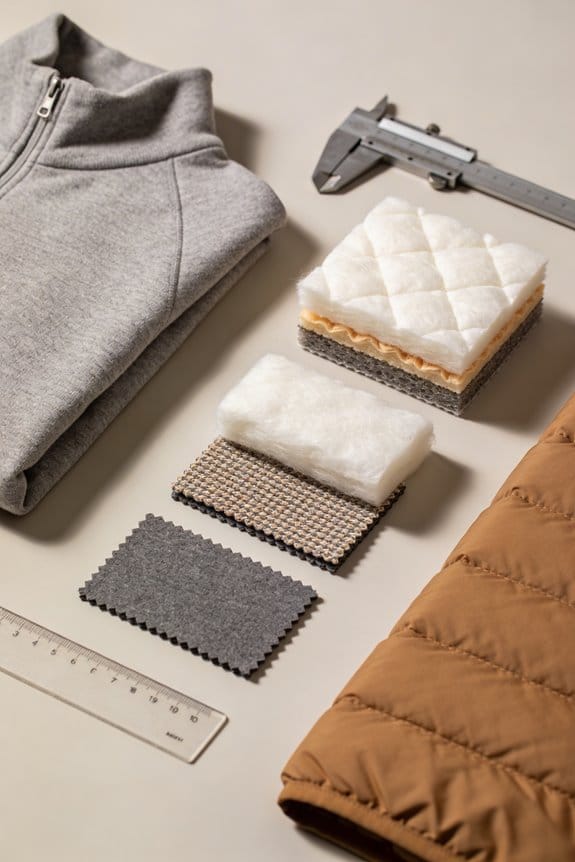
Ever stepped outside in winter only to feel that chilling wind creep through your layers? It can feel like no matter how many clothes you pile on, you still can’t seem to keep warm. That’s where understanding CLO values come into play when choosing your outfits.
CLO value is what measures insulation in clothing. Think of it as a scale for how well a garment can hold onto heat. One CLO is the insulation needed to keep you comfortable at 21°C (70°F) in still air. Therefore, if you’re looking for something that really packs in the warmth, you want a higher CLO value. For reference, a typical business suit has about 1 CLO. But if you’re gearing up for winter sports or extreme cold, insulated gear may range anywhere from 2 to 8 CLO, depending on the specific conditions you’re facing.
Here’s the trick: when you’re figuring out how to layer up for the cold, don’t forget that each piece of clothing contributes to your overall CLO value. Adding more layers can make all the difference in staying warm while you’re active or exposed to the cold. For example, if you wear a thermal shirt (1 CLO) and a warm jacket (3 CLO), you’re already at 4 CLO, which keeps the chill at bay during your outdoor adventures.
To maximize comfort and performance, it’s important to consider base layers with effective moisture-wicking properties that keep skin dry while retaining warmth.
So, why does this matter? It’s about being smart with your clothing choices. For various activities — whether it’s a brisk walk or a ski trip — knowing the CLO value helps you pick the right gear to ensure you’re comfortable and warm.
In the end, remember that warmth comes from the right mix of layers. Take some time to understand CLO values and how they fit into your wardrobe choices. Truth is, staying cozy doesn’t have to be a struggle—just a little planning can go a long way! What’s your go-to outfit for battling the cold?
Understanding Different Types of Apparel and Their CLO Values
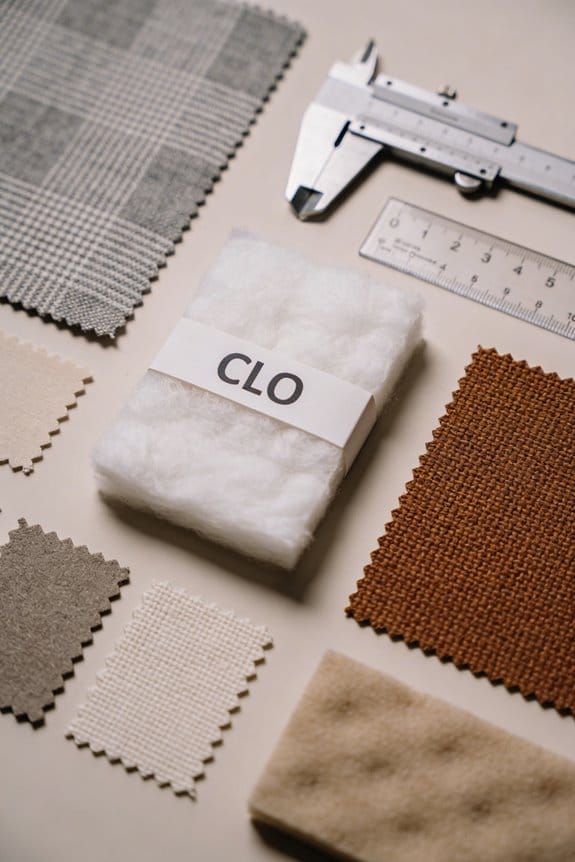
Ever stepped outside and wondered why you felt either freezing or just right? It all comes down to the CLO values of your clothing. Understanding how different types of apparel stack up against the cold can make a huge difference in your comfort level.
Let’s break it down. A standard business suit has a CLO value of about 1. That’s perfect for mild temperatures around 21°C (70°F). Short sleeve shirts, on the other hand, are pretty lightweight at an average CLO of 0.19. If you’re considering jackets, you can expect them to offer up to around 0.35 CLO. And for those times when you need minimal insulation, thermal underwear like briefs only has a CLO value of 0.04.
As the temperature drops, you’ll want to reach for heavier options. Winter coats or down jackets are where the real insulation comes in, boasting CLO values from 0.55 to a whopping 2.59! Doesn’t that make sense when you’re bundling up to stay warm? The best part is, layering your clothing can further increase your CLO value. Think about a cozy base layer, a shirt you love, and a good jacket on top. That combo will keep you warm even in chilly conditions.
Softshell pants, with their fleece lining insulation, provide an excellent mid-layer option that balances warmth and flexibility for cold-weather activities.
So why does paying attention to CLO values matter? It helps you choose your clothing wisely, depending on what the weather throws your way. Next time you’re getting dressed, consider the CLO values of your layers before heading out the door.
Feeling prepared for the weather can make your day so much better. What’ll you wear the next time you step outside?
Recommended Products

850 Fill Goose Down: This men’s down jacket is filled with 90% goose down and 850 fill power insulation, which is treated with a water-repellent coating, forming a hydrophobic barrier to resist moisture and retain warmth in damp or snowy conditions. The high-density fiber shell uses professional anti-down stitching to lock in insulation

Packable Protection for Mountain Pursuits | With a high warmth-to-weight ratio and impressive packability, this down jacket is a go-to for adventures at altitude.

Pertex Quantum is lightweight and durable to provide packable warmth on any adventure
How Activity Levels Influence CLO Requirements?
Have you ever found yourself freezing during a jog or sweating buckets on a snowy hike? It happens to the best of us! Figuring out how to dress for the kind of activity you’re doing is key to staying comfy.
Activity levels are measured using MET values, which help gauge how much energy you’re exerting. Light activities, like walking or casual cycling, usually clock in under 3 METs. But if you’re engaging in a sprint or intense workout, those numbers can jump above 6 METs. As your activity level rises, your body cranks up the heat. This is important: you don’t always need thick layers to stay warm. For example, when you’re running, a jacket should only need about 1 CLO for comfort.
When the weather turns chilly, it’s time to adjust your insulation. Wearing too much can leave you overheating while you’re on the move. Here’s the trick: think about layering your clothes according to what you’ll be doing. That way, you can stay warm without feeling like you’ve stepped into a sauna.
Consider this: putting on the right insulation for your activity level makes a huge difference. It’s not just about warmth; it’s about comfort. Whether you’re out for a run or a long walk, make sure your gear is suited to the temperature and your level of exertion. Additionally, wearing apparel with moisture-wicking properties can enhance comfort by managing sweat effectively during different activity intensities.
Matching CLO Values to Ambient Temperatures?
Matching CLO values to ambient temperatures can feel like a bit of a puzzle, right? When you’re out in chilly weather, figuring out how much insulation you need is crucial for staying comfortable. A CLO value of 1 works well at 21°C (70°F), but let’s be real—you’ll need around 8 CLO if it’s plunging down to -30°C to keep warm. If you’re dealing with -10°C, aiming for a CLO of 4 or 5 might be just right, especially if you’re planning on being somewhat active.
So, why does this matter? As you ramp up your activity level, you can actually use less insulation without sacrificing comfort, even when it’s cold outside. But don’t forget about other factors like wind and humidity, which can really mess with your comfort level.
Here’s the trick: before heading out, check ISO 7243 for recommendations on matching CLO values to your expected temperatures and how active you’ll be. It helps make sure you’re geared up properly, keeping both comfort and safety in mind.
In short, knowing how to adjust your CLO values to match the temperature can make a big difference in your outdoor experience. Using moisture-wicking materials can also enhance temperature regulation and comfort during your activities. What’s your go-to method for staying warm in cold weather?
Recommended Products

COMFORTABLE MENSWEAR WINTER JACKET: This winter jacket features a water repellent shell made from Shadow Ripstop nylon, while the interior taffeta contains faux down for ultimate warmth and comfort

Polyester with a density 60% higher than usual in the market. It has excellent windproof and warm-keeping quality.

WINTER-READY STYLE – Built for cold conditions, this heavyweight puffer jacket combines warmth and classic Nautica design.
Calculating Your Outfit’s Total CLO Value
Want to know how to calculate your outfit’s total CLO value? It’s simpler than you might think, and it can really help when dressing for different temperatures. Start by checking each piece of clothing you plan to wear. Make a list of their CLO values—this number shows how well they trap heat. For example, a short-sleeve shirt usually has a CLO value of 0.19, while jackets typically range from 0.35 to 0.55.
Here’s the trick: Add up the CLO values for everything you’re wearing. If you’ve got a base layer that’s 0.2 and a mid-layer at 0.3, your total is 0.5 CLO. This little calculation matters more than you think. It helps you decide what to put on, so whether you’re braving the cold or just relaxing indoors, you’ll be comfy.
So why does this matter? Knowing these values means you can choose clothing that keeps you warm in chilly weather without overheating indoors. No one wants to feel like they are sweating in their winter coat while sipping hot cocoa!
In short, understanding CLO values can seriously improve your comfort level in any weather. Remember that layering with garments featuring proven insulation ratings can optimize warmth without bulk. Next time you’re dressing up, take a moment to calculate your outfit’s total CLO. What will you do with this knowledge?
Recommended Products
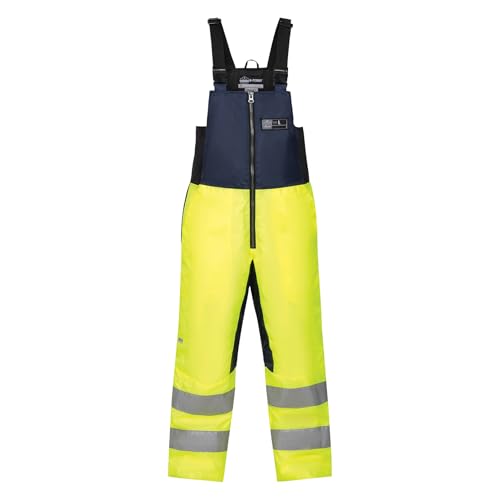
STAY WARM - Designed for use in freezer cold storage settings with a temperature rating of -15°F to -49°F (-26°C to -45°C)
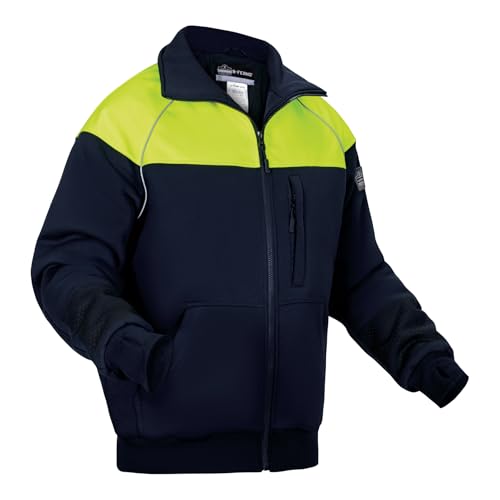
TEMPERATURE RATING - Designed for use in cooler/chiller cold storage settings with a temperature rating of 20°F to -10°F (-7°C to -23°C) depending on your activity level

Classic Hooded Style: The hood comes with a non-removable faux fur trim, perfect for colder winter days. The faux fur is soft, smooth, high-quality, and designed to resist shedding, providing excellent warmth and style. The big, deep hood with beautifully trim complements classic winter outfits. While the hood is detachable for versatility, the faux fur trim is securely attached and cannot be removed
Key Personal Factors Affecting Thermal Comfort
Have you ever stepped outside on a chilly day and wondered why some people seem to handle the cold better than others? When it comes to dressing for different temperatures, personal factors can really play a big role in how comfortable you feel.
Your age is one such factor. Older folks often have a harder time dealing with the cold since their bodies may not generate heat as efficiently. Then there’s body weight—if you carry a bit more, you might find you’re less bothered by cooler temperatures. But it’s not just these factors; medical conditions like hypothyroidism or diabetes can affect circulation and heat retention. So, how does this affect you?
Don’t forget about hydration, either! Staying hydrated is key to regulating your body temperature. Even if you’re bundled up, if you’re not drinking enough water, you might still feel cold. The insulation in your clothing works best when your body isn’t fighting to stay warm because you’re dehydrated.
Choosing clothing with moisture-wicking technology can also help regulate your temperature by keeping you dry and comfortable.
- Pay attention to your situation:
- Reflect on your age and any medical conditions.
- Think about your hydration—are you drinking enough?
Evaluating all these personal elements can help you choose the right outfit for the conditions. The best part is that once you understand what impacts your thermal comfort, you can make smarter clothing choices.
Practical Tips for Choosing CLO Clothing
When it comes to dressing for cold weather, figuring out how to layer your CLO clothing can be a challenge. You want to stay warm without overheating. Start with a breathable base layer that has a low CLO value—think of it as your foundation. Next, add a mid-layer with a higher CLO rating for that all-important insulation.
For example, a short-sleeve shirt with a CLO value of 0.19 works well under a 0.35 CLO jacket. Together, that’s 0.54 CLO, which is just right for those chilly but not freezing days. Now, if you plan on being active, like going for a run, you might want to shoot for around 1 CLO to keep from sweating too much.
But, let’s face it: everyone’s comfort level varies. Factors like your age, body weight, and activity level can really influence how well you stay warm. So, don’t be afraid to tweak your layers based on how you feel.
Here’s a little trick: Always check the CLO values when shopping. Understanding them isn’t just for the experts; it’s key to picking the right clothing so you can enjoy your outdoor activities without the dreaded chill creeping in. Choosing fleece-lined base layers can boost insulation significantly without adding bulk, making layering more effective.
Recommended Products

NEOPRENE CORE TECHNOLOGY - The STRYKR Series features Neoprene Core Technology, which provides windproof, waterproof and insulating qualities by combining a membrane of soft, thin, durable and highly elastic neoprene with durable outer fabric

ULTIMATE RAIN PANTS These mens golf rain pants are going to keep you dry during the wettest conditions. The GORE-TEX Paclite stretch technology makes them waterproof, windproof, and breathable

Hybrid Waterproof Protection Where You Need It – Features waterproof paneling in the hood, shoulders, and arms to shield you from melting snow and wet ground without sacrificing breathability.
Frequently Asked Questions
How Do I Choose the Right CLO for Extreme Weather Conditions?
Choosing the right CLO for extreme weather’s like assembling a protective fortress. We should consider activity levels, layer appropriately, and follow CLO recommendations based on local weather conditions to keep ourselves warm and safe.
Can CLO Values Differ Between Brands for Similar CLOthing Types?
Yes, CLO values can differ between brands due to material differences, design influence, and various performance factors. We’re excited to explore these brand comparisons to help you make the best choice for your needs.
What Is the Relationship Between CLO Values and Fabric Type?
We’ve noticed that just like a thermos keeps hot drinks warm, fabric type greatly affects CLO variations. Different materials enhance insulation properties, impacting fabric performance and temperature regulation, ensuring we stay cozy or cool when needed.
How Often Should I Check CLO Values When Purchasing New CLOthes?
We should check clo value frequency, especially when buying seasonal clothing. Insulation testing helps us understand how fabrics differ. Comparing brands guarantees we choose the best fit for our warmth and comfort needs.
Are There Any Standard Testing Methods for Determining CLO Values?
Absolutely, there’re standardized thermal testing methods that measure CLO values! We’ll explore various CLO measurement techniques and insulation performance criteria to help us make informed decisions when evaluating clothing for our next adventure.