As an Amazon Associate, we earn from qualifying purchases. Some links on this site are affiliate links at no extra cost to you. Our recommendations are based on thorough research and editorial judgment.


The Complete Guide to Layering for Multi-Day Hiking Trips

Layering your clothes for a multi-day hike is really important for your comfort and safety. Have you ever hiked when the weather changed on you? It’s not fun.
To keep you cozy and dry, kick things off with a base layer that wicks moisture—merino wool or synthetic fabrics are great choices.
Next up, consider adding a fleece mid-layer for that extra warmth. When the wind picks up or rain starts to fall, you’ll want to top it all off with a waterproof outer layer. Look for breathable materials to avoid feeling stuffy. And hey, having a few pockets is always a nice touch.
Here’s a tip: packing your gear efficiently makes a big difference. Bring along two duffel bags for your main gear, plus a day pack for your essentials while on the trail. It really helps to stay organized and ready for whatever nature throws your way.
So, why does any of this matter? It’s all about being prepared for changing weather conditions. And trust me, you don’t want to be stuck out there feeling cold and wet when a storm rolls in.
In short, pack smart, layer wisely, and you’ll be set for a great adventure. What’s your go-to piece of gear for hiking?
Key Takeaways
- Start with a moisture-wicking base layer for comfort, avoiding cotton to prevent chill from retained moisture.
- Choose an insulating mid layer, like fleece, for warmth and lightweight comfort during colder hikes.
- Select a waterproof outer layer that is breathable and treated for water resistance to protect against wind and rain.
- Use proper packing techniques with dry bags and organize clothing in soft duffel bags to manage weight and protect essentials.
- Regularly monitor weather conditions and adjust your layers to maintain comfort throughout the multi-day hike.
What Is Layering Clothing and Why Is It Important for Hiking?
Layering clothing is a key piece of the puzzle when you’re heading out for a hike. Have you ever found yourself too hot or too cold halfway up the trail? The right layers can help you stay comfortable no matter what Mother Nature throws at you.
Let’s break it down into three main layers.
- The base layer is where it all starts. You want something that fits snugly and can wick away moisture. Think materials like merino wool or synthetic fibers; they’re great at drawing sweat away from your skin, which is crucial for staying dry on the move.
- Moving up, the mid layer’s job is to keep you warm. Fleece or insulated jackets are ideal here. They trap body heat, so you don’t get chilled as the temperature drops, especially if you take a break.
- Finally, an outer layer is a must for protection. Whether it’s a waterproof shell or a soft shell jacket, your outer layer acts as a barrier against wind and rain. You can’t control the weather, but you can control how it affects you!
So, why does this matter? Proper layering lets you adapt to quick changes in weather. If it starts to pour, you can toss on that outer layer; if the sun comes out and things heat up, you can shed a layer and cool off.
Honestly, getting your layers right can make a huge difference in your hiking experience. You avoid those moments of overheating or freezing, which in turn keeps your hike safe and enjoyable. Choosing an outer layer with wind and water-resistant features will maximize your protection and comfort on the trail.
Understanding the Three Layers: Base, Mid, and Outer

Ever find yourself on a multi-day hike feeling too hot one minute and freezing the next? Figuring out how to layer your clothing can make or break your trip. Let’s break it down into three essential layers you should know about.
First up is your base layer. This is where it all starts. It should be moisture-wicking, meaning it pulls sweat away from your skin to keep you dry and comfortable. Choose fabrics like merino wool or synthetic fibers. They feel good against your skin and help manage that pesky sweat when you’re on the move.
Then there’s the mid layer. This one’s all about insulation. Think fleece jackets or insulated vests. They trap the heat your body generates and keep you warm during breaks or when temperatures dip unexpectedly. When the weather turns, the last thing you want is to shiver while trying to take in the view.
Finally, you’ve got the outer layer. This is your shield against wind and rain. Look for waterproof jackets that breathe and endure tough conditions. They’re essential for keeping the elements at bay, so you’re not left soaked after a surprise downpour. Honestly, the right outer layer can change the whole vibe of your hike.
Mix and match these layers based on the weather and your activity level. You wanna stay comfortable, right? So, why does this matter? Because staying dry and warm is key to enjoying your adventure instead of just enduring it.
To maximize warmth without extra bulk, consider wearing a lightweight down jacket with high fill power insulation as your mid layer for excellent heat retention.
In short, get your layering game right with these three critical layers. Preparing ahead means you can enjoy the great outdoors without the drama of being unprepared. What’s your go-to tip for staying comfortable on long hikes?
Choosing Your Ideal Base Layer
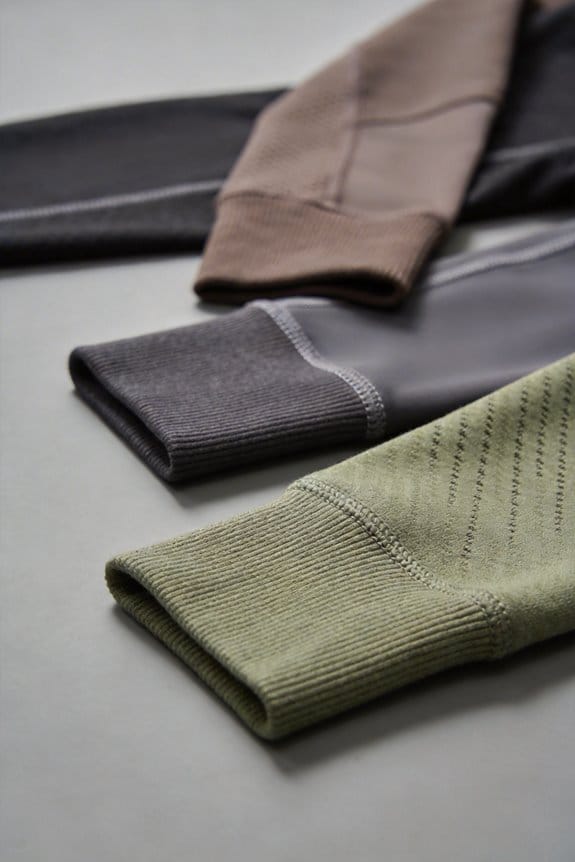
How do you pick the right base layer for your hikes? It’s a real challenge if you want to stay comfortable out there. You need a base layer that fits snugly against your skin and keeps you dry. Look for moisture-wicking materials—these are essential during any physical activity.
When it comes to materials, merino wool is a solid choice for colder conditions. It offers warmth while letting your skin breathe. On the flip side, if the weather’s warm, synthetic fibers like polyester do the trick nicely. Just do yourself a favor and avoid cotton; it holds onto moisture and can make you feel chilly.
Think about mixing things up with your options: long-sleeve tops, T-shirts, leggings, and moisture-wicking underwear are all worth considering. This combination ensures you’re well-covered and comfy, no matter what you encounter on the trail. Additionally, consider base layers with fleece lining to boost thermal insulation and stay warmer in frigid conditions.
Recommended Products

Merino blend seamless brief

EDGE-TO-EDGE SUPPORT: Luxury hybrid mattress crafted with two spring units totaling 1,700+ springs plus extra layers of plush comfort and support foams for maximum comfort

Lightweight Merino/Spandex thong
Top Materials for Effective Base Layer Clothing
Are you gearing up for a hike and feeling overwhelmed by all the choices in base layer clothing? You’re not alone. Picking the right materials can make a big difference in how comfortable you feel on the trail.
When it comes to effective moisture-wicking and temperature regulation, merino wool and synthetic fabrics like polyester and nylon are solid options. Merino wool shines in colder conditions. It’s breathable, resistant to odors, and ideal for long hikes when you may not have the chance to change. On the flip side, when it gets warm, synthetic fabrics dry quickly and manage moisture better, so you stay cool.
Here’s the trick: always select a snug fit for your base layer. A close fit enhances moisture control, which keeps you more comfortable. If you’re planning to tackle high-energy activities, lightweight materials are a great choice. Conversely, thicker options can provide that extra warmth when temperatures drop.
Have you ever noticed how cotton seems to soak up every bit of moisture? Trust me, you want to avoid cotton in your base layer. It holds onto water, and that can lead to hypothermia if you’re out in the cold and wet.
Additionally, selecting fabrics with moisture-wicking features can prevent chafing and keep you dry for longer periods during your hike.
To sum it up: choosing the right base layer materials is essential for your hiking comfort. Think about your needs based on the weather conditions and the intensity of your activity. So, which material do you think will serve you best on your next multi-day hiking trip?
Recommended Products
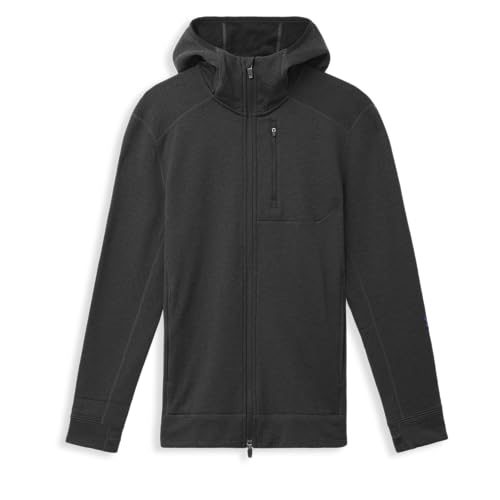
WARMEST MERINO WOOL HOODIE FOR MEN: Engineered for alpine extremes, the Mammoth Hoodie is Ibex’s warmest hoodie to date. Built with a dual-layer Merino wool construction, this heavyweight jacket is ideal for skiing, climbing, travel, or après. Designed to lock in warmth without sacrificing breathability, it offers unmatched comfort for cold-weather layering during high-output activities or downtime by the lodge.

LEGENDARY EXPEDITION HOODIE: 95% Merino Wool 5% Spandex means your hoodie is super soft and extremely comfortable. The best in easy care technology means your merino wool is machine washable and dryable. Maximum insulation and awesome style makes the Minus33 merino wool full-zip hoodie an essential part of your everyday go-to-gear.

LEGENDARY EXPEDITION HOODIE: 95% Merino Wool is super soft and extremely comfortable. The best in easy care technology means your merino wool is machine washable and dryable. Maximum insulation and awesome style makes the Minus33 merino wool full-zip hoodie an essential part of your everyday go-to-gear.
How to Choose the Best Mid Layer for Warmth
Choosing the right mid layer for warmth can be a bit tricky, especially when you’re trying to stay cozy and comfortable in chilly weather. The mid layer’s job is to trap your body heat and keep you insulated, so it’s important to make an informed choice. Ideally, you want something that balances warmth with breathability.
Fleece jackets are a solid option since they’re lightweight and do a great job managing moisture. They’re perfect when the temperatures aren’t too extreme. But what if you’re caught in wet conditions? That’s where synthetic insulation materials, like polyester, really shine. They keep you warm even if they get damp and dry out pretty quickly.
When it comes to colder hikes, it might be wise to opt for a thicker mid layer to really amp up your warmth. Here’s a tip: look for features like zippered ventilation and adjustable hems. These little touches can make a big difference in comfort and help you regulate your temperature as your activity levels change.
For enhanced comfort and heat retention, consider mid layers made with moisture-wicking fabrics that keep you dry and prevent chill during exertion.
Recommended Products

Fair Trade Certified: We proudly produce one of the best winter jackets for men in a Fair Trade Certified facility. Building worker well-being into our product DNA.

Gamma MX Hoody: Our warmest Gamma softshell hoody

Gamma MX Hoody: Our warmest Gamma softshell hoody
Down vs. Synthetic: Choosing Insulation Materials
When you’re gearing up for those multi-day hikes, choosing the right insulation can feel overwhelming, right? You want something that keeps you warm without weighing you down. That’s where understanding the differences between down and synthetic insulation comes in handy.
Down insulation is the go-to choice for those chilly nights in the mountains. It’s lightweight and provides an amazing warmth-to-weight ratio. But here’s the catch: if it gets wet, it loses its insulating power. So, if you’re hiking in damp conditions, you might want to think twice about relying solely on down.
Now, synthetic insulation offers a nice balance. It can keep you warm even when it’s damp, and it dries out much quicker than down. This makes it perfect for unpredictable weather. Plus, synthetic options often cost less and can hold up better over time, resisting clumping that can diminish warmth.
So, what’s the best approach? Many hikers find that a combination of both materials gives them the flexibility they need. Think about the conditions you’ll be up against and weigh your choices based on comfort, breathability, and insulation.
Also, layering with breathable fabrics can help manage moisture and keep you comfortable throughout your hike.
To sum it up: when it comes to staying warm and dry on your adventures, knowing the ins and outs of these insulation types can make a big difference. Which insulation have you found works best for your outdoor excursions?
Layering for Weather Protection: Finding Your Outer Layer
Staying dry and comfortable on a hike can feel like a real challenge, especially when the weather takes a turn. Choosing the right outer layer is key. When you’re picking your gear, lightweight rain jackets, windbreakers, or durable hardshell jackets are all solid options. These layers use breathable fabrics that let sweat escape while keeping out rain and wind. Plus, many of them are treated with Durable Water Repellent (DWR) for that extra water resistance.
Think about features that can make your experience a lot better. Adjustable hoods and cuffs can really help keep the warmth in and add to your comfort if the weather gets unpredictable. Have you ever been caught out in the rain without a proper jacket? It’s not fun. The right outer layer can be a game-changer when it comes to your enjoyment of the great outdoors, especially if you plan on hitting different trail conditions.
So, what should you look for? Here’s a quick list:
- Lightweight but durable material
- Breathable fabrics for moisture control
- DWR treatment for added wet weather protection
- Features like adjustable hoods and cuffs
Waterproof rain pants with breathable membranes are a smart addition to complete your rain protection while maintaining comfort.
Honestly, the right gear can make a huge difference in how much you enjoy your hike. Don’t underestimate the power of staying dry and warm! Remember to choose wisely when you gear up; it’ll pay off when you’re out there facing the elements. What’s your go-to jacket on a rainy hike?
Key Features to Look for in Hiking Jackets and Pants
Are you tired of feeling uncomfortable on the trail because of the wrong gear? Selecting the perfect hiking jacket and pants can really boost your comfort level. Focus on features like waterproofing and breathability; these are key to staying dry and comfortable whether it’s raining or humid.
When it comes to materials, lighter and quick-drying options are your best friends. Plus, look for pieces that offer sun protection, especially if you’re hiking in exposed areas. Insulation is also important; you should consider jackets that are made from down or synthetic materials. These will keep you warm even if they get a bit damp.
Let’s talk about functionality too. Having handy pockets can make it so much easier to stash your essentials for quick access. Durability matters, too. Keep an eye out for durable water-repellent (DWR) finishes and reinforced seams; these features help ensure your gear lasts through all those rocky trails.
Packability is a bonus you shouldn’t overlook. A jacket or pair of pants that folds up easily saves a lot of space in your backpack. That way, you won’t feel like you’re lugging around extra weight.
Also, choosing clothing with breathable fabrics enhances comfort by promoting airflow during strenuous activity.
Recommended Products

Material: Made with our core cotton/nylon fabric, this Jacket is extra warm, breathable & durable. Featuring a down-fill insulation (80/20 duck down loft) & blue fox fur-trimmed hood, you will not have to worry about the cold, no matter the wind chill.

Durable recycled polyamide with a waterproof and breathable Hydratic liner.

Developed together with ocean pro-racers, this hardy sailing jacket gives seasoned sailors and racers maximum protection.
Packing Smart for Multi-Day Hiking Trips
Packing smart for multi-day hiking trips can make or break your outdoor adventure. Ever found yourself struggling under the weight of your gear? Keep it simple with two soft duffel bags, each weighing no more than 35 lbs, along with a trusty day pack. You’ll want to stay dry, so grab some dry bags to protect your clothing and essentials, especially when the weather goes south unexpectedly.
When it comes to clothing, think layers—not just for warmth, but versatility. Here’s a tip: choose a solid base layer, add an insulating layer for warmth, and finish it off with a waterproof outer layer. This way, each piece works hard, and you’ll keep that pack weight down.
Now, let’s talk essentials. Always have a first aid kit handy; it’s just plain smart. Don’t forget your food and hydration equipment—you can’t hike on an empty stomach!
Selecting clothing with weather-resistant features ensures you stay protected against the elements throughout your trip.
So, why does this matter? Thoughtful packing makes for a more comfortable trip and keeps you ready for whatever nature throws at you. With the right choices in your layers and packing methods, you’re gearing up for an enjoyable hiking experience.
In a nutshell, remember to keep it light, functional, and dry. What’s your go-to item for a hiking trip?
Layering Tips to Avoid Comfort Mistakes
Layering Tips to Avoid Comfort Mistakes
Ever gone on a hike, only to be caught out by the weather? It’s a real pain when you’re not dressed right, especially on those multi-day adventures. Getting your layers sorted is super important for staying comfy out there.
Start with a snug-fitting base layer, something made from moisture-wicking synthetic fibers or good old merino wool. This type of material helps pull sweat away from your skin, so you stay dry. Then, pick a mid layer that gives you some warmth but isn’t too tight. Fleece is a solid option here since it’s breathable and moves with you.
Now, about the outer layer: go for something lightweight and treated with Durable Water Repellent (DWR). This will keep the wind and rain at bay while allowing your sweat to escape. Remember, cotton’s a no-go. It holds onto moisture, and you definitely don’t want to be stuck feeling wet and chilly.
Keep an eye on the weather! A quick check can make a huge difference. Being able to add or take off layers gives you the flexibility to stay comfortable no matter what Mother Nature throws your way. Choosing quick-dry hiking pants with moisture-wicking capabilities can also help keep you dry and comfortable during your trek.
Frequently Asked Questions
How Do I Care for My Hiking Layers?
We often joke our layers have their own personalities! To care for ’em, we should inspect, wash carefully, store wisely, and repair diligently. Don’t forget odor control; even our gear needs a spa day!
What Are Common Layering Mistakes to Avoid?
We often overlook layering myths, like improper fabric choice or neglecting moisture management. Focusing on base layer, insulation types, and ventilation options, while prioritizing for weather conditions and cold exposure, guarantees a solid layering strategy.
Can I Mix Materials in My Layers?
Yes, we can mix materials in our layers. By combining different fabrics for insulation types, moisture wicking, and breathability factors, we enhance temperature regulation, durability, and odor resistance while keeping weight considerations in mind for effective layering systems.
How Do Temperatures Affect Layering Choices?
We’ve found that temperature ranges and seasonal variations greatly influence our layering choices. Factors like humidity, wind chill, sun exposure, and altitude changes alter comfort, making weather forecasting essential for adapting to localized climates.
What Accessories Should I Consider for Layering?
When layering, we should consider hiking gloves, thermal hats, neck gaiters, moisture-wicking socks, base layer tops, insulated vests, packable jackets, trekking poles for support, and sun protection alongside hydration solutions for comfort.