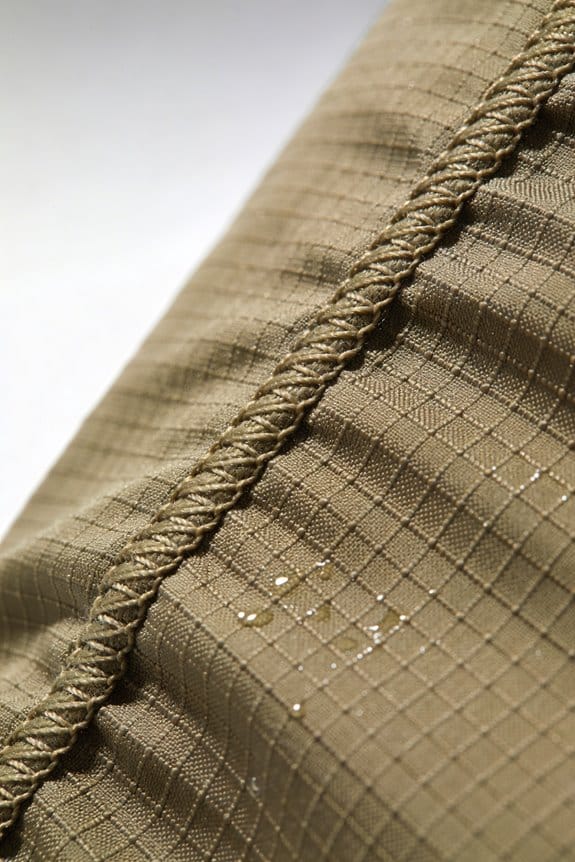
As an Amazon Associate, we earn from qualifying purchases. Some links on this site are affiliate links at no extra cost to you. Our recommendations are based on thorough research and editorial judgment.

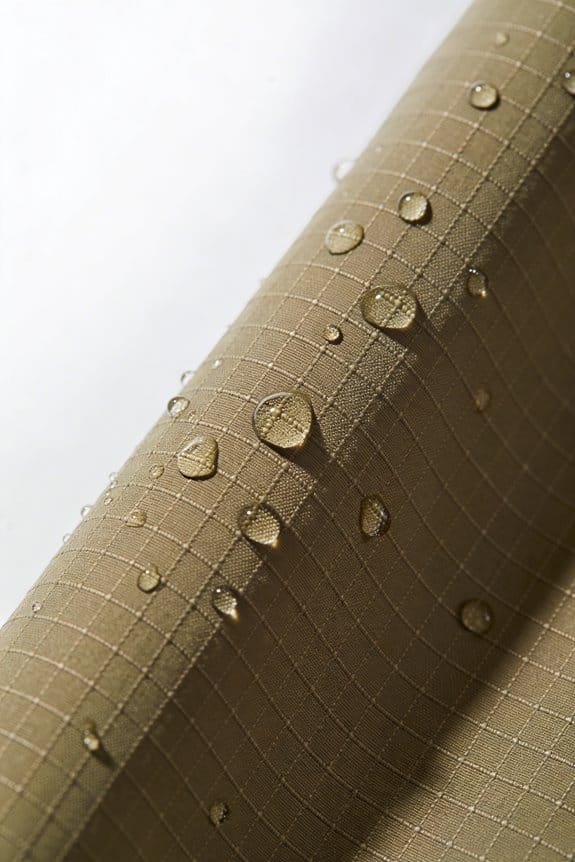
How Different Fabrics Compare for Natural Sun Protection

Thinking about sun protection but not sure how to choose the right fabrics? You’re not alone. It’s important to know that different materials can offer different levels of natural sun protection.
Cotton and linen, while comfy and breathable, usually don’t do much against UV rays. Their UPF ratings typically range from 5 to 10, which isn’t very high. If you’re looking for better coverage, consider tightly woven fabrics like denim. They can provide significantly higher protection due to their structure.
Now, if you’re really serious about blocking those rays, opt for synthetic fabrics. Polyester and nylon commonly have UPF ratings between 30 and 50, which is a solid choice. Here’s the trick: layering these fabrics can enhance their protective qualities even more, and don’t forget about color. Darker shades are usually more effective than lighter ones when it comes to sun safety.
So, why does this matter? When you’re out enjoying the sun, it’s key to keep your skin safe. You want to look good and feel comfortable while protecting yourself.
Check back for more tips on selecting clothing that shields you from harmful UV rays!
Key Takeaways
- Synthetic fabrics like polyester and nylon have higher UPF ratings (30-50) compared to natural fabrics, providing superior UV protection.
- Tightly woven fabrics, such as denim, can achieve very high UPF ratings, enhancing sun safety significantly.
- Natural fibers like cotton and linen typically offer minimal UV protection (UPF 5-10) unless treated or woven tightly.
- Dark colors absorb more UV rays than lighter shades, enhancing natural sun protection in clothing.
- Chemical UV protectants can improve the sun safety of natural fabrics, increasing their effectiveness against UV exposure.
Understanding UPF Ratings: What You Need to Know
When the sun’s beating down, how well do you really know what UPF means? UPF, or Ultraviolet Protection Factor, tells us how much UV radiation can sneak through our clothes. The higher the UPF rating, the more protection you’re getting from those harmful UVB rays. A shirt with a UPF of 30 blocks about 97% of UV rays, while something rated UPF 50 shields against more than 98%. That’s pretty serious protection!
Now, let’s chat about fabrics, because not all clothes are created equal. Natural materials like cotton usually don’t offer much protection unless they’re tightly woven or specially treated. If you’re looking for something that really works, synthetic options like polyester and nylon often have much better UPF ratings. So, when you’re picking out sun-protective clothing, don’t forget to check for those UPF labels. They’re key and offer a level of protection that you can count on without having to slather on sunscreen.
Here’s the trick: when you’re outside, reapplying sunscreen can be a hassle. Having clothing with good UPF means you’re lowering your skin cancer risk while enjoying the sun. It’s a practical choice that keeps you safe—so why wouldn’t you want that?
Just remember, the next time you’re shopping for sun protection, think about the UPF ratings. A good piece of clothing can go a long way in shielding you from those dangerous rays. Also, choosing shirts with moisture-wicking fabric can keep you comfortable by managing sweat during extended outdoor activities. Do you have any go-to brands or favorite UPF styles?
How Different Fabrics Provide Sun Protection

Choosing the right fabric for sun protection can feel a bit overwhelming, right? You don’t want to end up with a wardrobe that looks good but leaves your skin vulnerable. Here’s the scoop: synthetic fabrics like polyester generally do a much better job at blocking those harmful UV rays. They’re often woven tightly, allowing for UPF ratings of 30 or higher. On the flip side, natural fibers like cotton don’t really stack up, usually falling in the UPF range of 5 to 10.
Now, you might be surprised to learn that some tightly woven fabrics, such as denim, can offer incredible UPF ratings—sometimes as high as 1,700! But then there’s linen, which is great for breathability but has a loose weave that doesn’t do a good job of blocking UVB and UVA rays. So, while it feels nice and light, its protection is pretty limited.
Want a little hack? You can boost the sun protection of natural fabrics by applying chemical UV protectants, like zinc oxide. However, treated synthetic fabrics typically remain more effective overall when it comes to guarding against sun damage.
Before you grab those cute summer clothes, take a moment to check the UPF ratings. This can be a quick way to ensure you’re not compromising on sun safety while looking stylish! Additionally, selecting clothing with UPF 50+ ratings is essential for prolonged outdoor exposure to reduce skin damage.
Recommended Products

PGA TOUR women's long sleeve golf shirt with self collar

CUSTOM PRINT YOUR LOGO, NAME, OR DESIGN - Personalize this dry-fit performance t-shirt with your company logo, business name, team name, slogan, or custom text. Professionally DTF-printed with vivid, long-lasting color that won't crack or fade wash after wash. Perfect for company uniforms, sports teams, events, and personalized gifts.

DTF DIRECT-TO-FILM CUSTOM PRINT - Personalize this long sleeve performance shirt with your company logo, business name, team name, slogan, or custom text using our advanced Direct-to-Film (DTF) printing technology. Vivid, long-lasting color that won't crack or fade wash after wash - perfect for company uniforms, sports teams, events, and personalized gifts.
Comparing Natural Fabrics: Cotton, Linen, and Wool

When it comes to enjoying the sun, natural fabrics can make us feel comfy, but have you ever considered how much protection they actually provide? Cotton is a favorite for many, but it typically offers only slight UV protection. Think about it: if you’re wearing a white cotton shirt, you’re looking at a UPF rating around 5. Darker colors provide a bit more—around 10—but unless the fabric is tightly woven or treated, it might not be enough.
Linen, though incredibly breathable and perfect for those hot days, comes with its own issues. Its loose weave means UV rays can sneak right through, offering even less sun protection than cotton. You might love that airy feeling, but if you plan to spend time outdoors, it’s something to keep in mind.
On the other hand, wool stands out when it comes to keeping the sun’s rays at bay. Its dense fiber structure allows it to achieve higher UPF ratings than both cotton and linen. So if you’re going for sun safety, look for tightly woven and darker cotton or wool pieces instead of opting for lighter fabrics like linen.
In short, if you want to enjoy the sunshine while staying protected, keep these fabric differences in mind. What’s your go-to fabric for sunny days? For maximum protection, consider clothing rated with UPF 50+ which blocks about 98% of UV rays.
Recommended Products

LEGENDARY EXPEDITION HOODIE: 95% Merino Wool 5% Spandex means your hoodie is super soft and extremely comfortable. The best in easy care technology means your merino wool is machine washable and dryable. Maximum insulation and awesome style makes the Minus33 merino wool full-zip hoodie an essential part of your everyday go-to-gear.

High-Quality Material: This sportsman shirt is made from 80% wool and 20% recycled polyester, offering exceptional warmth and comfort, perfect for bushcraft, camping, hunting, and fishing trips. Its classic lumberjack styling provides a timeless design for outdoor enthusiasts. This warm and heavy-duty outer layer shirt is essential for fall and winter clothing. Its thick layer provides extra warmth, making it a perfect choice for workwear, casual dress, or a stylish camping outfit.

QUALITY WILDERNESS EXPEDITION FULL ZIP: 100% Merino Wool is super durable and extremely warm. Form and function make this three-season merino wool thermal an essential part of your outdoor gear. ENVIRONMENTALLY FRIENDLY: The best in easy care technology means your merino wool is machine washable and dryable. Our 100% Merino Wool is a renewable fabric. Its moisture wicking properties means you won't have to wash it as often so you'll use even less water.
Do Synthetic Fabrics Really Protect You From the Sun?
How do synthetic fabrics stack up against the sun? If you’re wondering whether your clothing can actually protect you from harmful UV rays, you’re in luck. Synthetic fabrics like polyester and nylon offer some pretty impressive UV protection. They typically have UPF ratings between 30 and 50. Just for comparison, a plain white cotton T-shirt scores only about a UPF of 5. So, if you’re looking for a little more safety while enjoying the outdoors, synthetic is the way to go.
When shopping for sun-protective clothing, keep an eye out for tightly woven, dry fabrics. These types maintain their UV protection better than those that are wet or stretched out. It’s all about the fabric’s quality and structure. Some synthetic materials even incorporate UV-blocking technologies, like titanium dioxide, to help reflect those harmful rays back where they came from.
But here’s something important to note—over time, chemical degradation can weaken those protective qualities. So, how do you make the most of synthetic fabrics? Try this: choose high-UPF options that are well made and stay dry. Your skin deserves that extra layer of care and protection.
For best results, selecting clothing with moisture-wicking and quick-dry fabrics can keep you comfortable while enhancing UV protection.
In short, if you want to keep your skin safe from the sun while looking good in your clothes, go for synthetic fabrics with solid UPF ratings. It’s a simple way to enjoy the sunshine without worrying too much. Have you checked how protective your favorite summer outfits really are?
Techniques for Boosting UV Protection in Fabrics
Want to stay protected from harmful UV rays without sacrificing comfort? There are a few tricks you can try to boost that UV protection in your fabrics.
First off, consider UPF-treated cotton or bamboo-polyester blends. These materials not only feel great but also provide better UV defense. You might be wondering about natural fabrics like cotton or linen. They can get a serious upgrade simply by treating them with mineral-based UV blockers, like titanium dioxide or zinc oxide. It can really increase their UPF ratings.
Now, not all fabrics are created equal when it comes to UV protection. Tightly woven or blended materials make a big difference. They tend to offer more protection than untreated styles.
But here’s something you might not think about regularly: it’s a smart idea to test your fabrics. Have them checked in an independent lab to see if they maintain their UV protection after a few washes.
Additionally, using moisture-wicking technology in fabrics helps maintain comfort and effectiveness during outdoor activities.
Recommended Products

Durable stretch nylon construction – made with a rugged nylon and spandex blend that delivers excellent abrasion resistance while allowing flexible movement on the trail or job site

HIGH-QUALITY MATERIALS - The Beretta TKAD Flex Shirt is a men's performance field shirt made of 4-way stretch synthetic soft wrinkle-resistant fabric; It has hidden chest pockets

PERFORMANCE SHIRT FOR MEN - The Beretta TKAD & EVAD Flex Shirts were developed to enhance your performance on the field, on the range, or for any activity where performance and comfort is needed; it features a hidden button-down collar and caped back mesh paneling
How to Select UV-Protective Fabrics for Outdoor Activities
When you’re heading outdoors, especially in the sunny months, protecting your skin from harmful UV rays is a must. You might be wondering, how do you know what fabrics will keep you safe? Aim for materials with a UPF rating of 50+; this means they block a significant amount of UV rays.
Here’s the trick: synthetic fabrics like nylon and polyester often provide better protection than some natural fabrics, like cotton or linen. If you choose dark or bright colors, you’ll also get an extra boost since they absorb UV rays more effectively. Tightly woven materials, such as denim and canvas, can help keep those rays at bay, but be cautious! When clothes fit too tightly, they can stretch out and that can decrease the protection they offer.
You don’t have to sacrifice comfort for safety, though. Going for loose-fitting clothing can make a big difference—this way, you stay cool and avoid skin irritation. Plus, the roominess ensures you still get that protective barrier without feeling restricted.
Opting for moisture-wicking fabrics can also enhance comfort by managing sweat during outdoor activities.
Truth is, taking these steps can go a long way in keeping your skin safe while enjoying all your outdoor adventures. Just remember to check those labels next time you’re shopping and keep these tips in mind. So, what’s your go-to outdoor outfit for sun protection?
The Role of Layering and Accessories in Sun Safety
When you’re gearing up to spend time outside, it’s crucial to think about layering your clothes and picking the right accessories for sun safety. You might be wondering, why does this matter? Well, layering can really help block harmful UV rays. Choosing tightly woven synthetic fabrics with high UPF ratings makes a huge difference.
Start with a long-sleeved shirt and pants to create that protective barrier. Pairing these with a wide-brimmed hat is a smart move, as it’ll shield your face and neck from harmful rays. Don’t forget about UV-filtering sunglasses, either—they’re essential for protecting your eyes from sunlight.
Here’s the trick: Consider adding accessories like UV-blocking neck gaiters or scarves. They’re a fantastic way to cover exposed skin without feeling stifled. Each layer you add brings a bit more protection. For the best results, go for darker colors and tightly woven materials.
Truth is, it’s all about working together to maximize your skin’s defense against the sun. Opting for lightweight, breathable fabrics with moisture-wicking features also helps keep you comfortable while maintaining protection. So next time you head outside, take a moment to really think about what you’re wearing and how it can help keep you safe. How do you keep sun safety in mind during your outdoor adventures?
Recommended Products

Excellent Sun Protection: With a UPF 50+ rated wide brim, this hat provides great shade to protect you harm harmful UV rays!

Iconic Summer Essential: Wide-brimmed dome-down straw sun hat designed for effortless style and unbeatable shade on warm, sunny days

Vintage-Inspired Sophistication: A stiffened wool fedora with a structured crown design, inspired by classic men’s styles and reimagined for modern wear
Frequently Asked Questions
Which Fabric Is Best for Sun Protection?
We’ve found that tightly woven fabrics like silk and wool provide the best sun protection, while cotton’s effectiveness relies on weave. Layering linen and cotton can enhance our sun safety, creating a stylish yet protective outfit.
What Is the Most Uv-Resistant Material?
We believe the most UV-resistant material combines advanced UV protection technologies with tight fabric weave patterns and darker dye effects. Clothing tightness and moisture content also influence effectiveness, especially during prolonged exposure to sunlight.
What Fabrics Disrupt UV Light?
We’ve found that tightly woven dark fabrics, like denim, along with treated synthetics, effectively disrupt UV light through enhanced sunlight absorption. Fabric density, color impact, and treatment additives play vital roles in maximizing protection.
Does 100% Polyester Block UV Rays?
Yes, 100% polyester offers excellent UV protection. Its fabric density and tight weave, combined with color impact, enhance its blocking abilities. Even when wet, it maintains properties unlike other fabrics, ensuring effective sun protection in various fits.