As an Amazon Associate, we earn from qualifying purchases. Some links on this site are affiliate links at no extra cost to you. Our recommendations are based on thorough research and editorial judgment.


How Wet Clothing Changes UV Protection Levels

Did you know that wet clothing can actually affect how well it protects you from UV rays? It’s true! When your clothes get soaked, their ability to block UV radiation can change—sometimes for the better, sometimes for the worse.
For example, if you’re wearing cotton and it gets wet, its UV Protection Factor (UPF) takes a hit, dropping from around 7 down to just 3. That’s a big difference!
But on the flip side, tightly woven fabrics like linen can actually boost their UV protection when they’re wet. So, why does this matter? It means you need to be careful on sunny days, especially if you’re planning to spend time splashing around in the water.
Choosing the right fabrics for water activities is key. Here are a few tips to consider:
- Opt for synthetic or tightly woven materials if you know you’ll be near water.
- If you prefer natural fabrics, look for those with a higher density. A higher UPF rating is always a plus!
- Remember, not all swimwear is created equal. Check the labels for UPF ratings before you dive in.
Now, I get it—this might not be something you’ve thought about before. But with so many people enjoying summer activities, understanding how wet clothing affects UV protection is something worth considering.
In short, being mindful of your clothing choices can help you stay safer in the sun.
So next time you’re packing for a beach day, remember to think about your fabrics. Are you ready to make smarter choices about what you wear in the sun?
Key Takeaways
- Wet fabrics can alter UV protection, often reducing the effectiveness of materials like cotton.
- Cotton’s UPF rating significantly drops from around 7 when dry to about 3 when damp.
- In contrast, linen and viscose can improve their UV protection when soaked.
- Tightly woven materials like linen maintain better UV performance even when wet.
- Choosing high-UPF swimwear (50+) is crucial for optimal protection during water activities.
How Moisture Impacts UV Protection in Clothing
Have you ever thought about how moisture affects the UV protection of your clothing? It’s something many people don’t realize, but when fabrics get wet, their ability to protect you from harmful UV rays can change quite a bit.
For example, materials like linen and viscose can actually boost their UV Protection Factor (UPF) when they’re soaked. On the flip side, cotton tends to decrease in protection when it’s wet. So, why does this matter? It’s simple: wet clothing can let more UV radiation through since moisture messes with the way the fabric absorbs UV rays. This can put your skin at greater risk during sunny days, especially if you’re around water activities.
When choosing clothes for outings where you might get wet, think about the fabric you’re wearing. Look for these options that maintain or even enhance their UPF values when wet:
- Linen
- Viscose
In addition, selecting clothing made from quick-dry materials can help manage moisture effectively, maintaining comfort and protection during your activities.
Honestly, knowing this little tip can help you enjoy your time in the sun without the worry of sunburn. In the end, staying protected is about making smart choices with your outfits. So, the next time you’re packing for a day outside, remember to check if you’re armed with the right materials! What’s your go-to fabric for those sunny beach days?
What UPF Ratings Mean for Wet Fabrics

Have you ever planned a fun day in the sun, only to worry about the harmful UV rays? Understanding UPF ratings is key, especially when it comes to wet fabrics. The UPF rating tells you how well different materials shield you from UV radiation. A dry cotton t-shirt might offer a UPF of around 7, but once it gets wet, that number can drop to about 3. So, why does this matter? It’s all about moisture weakening the fabric’s ability to block those harmful rays.
On the flip side, some fabrics, like linen, are interesting because they can actually have higher UPF ratings when wet. So, if you’re planning any water-related activities, it’s crucial to check the UPF ratings for the clothes you’ll be wearing in those conditions. Here’s the trick: always look at how that fabric performs when you’re splashing around.
When you’re out in the sun, don’t just rely on your typical go-to outfits. Think about what materials you want to wear. Try this: opt for garments made from UPF-rated fabrics that hold up—both dry and wet. If you’re unsure about a specific fabric, research and double-check those ratings.
In a nutshell, always consider the UPF rating and how it can change when your clothing gets wet. Making informed choices can help protect your skin from harmful UV rays, so you can enjoy your day outside. What’s your favorite way to stay sun-safe while having fun in the water? Additionally, selecting lightweight, moisture-wicking fabrics can help maintain comfort and protection when clothing is wet.
Recommended Products

[Built-In Sun Protection] — UPF 50+ rated sun protection that blocks harmful UV rays and protects the skin from burns, heat rash, and keeps the wearer cool helping to prevent heat stress and job-related heat injury with added built-in hood that fits comfortably under a hard hat.

Our Tuga Snorkel Collection is designed and made in California, USA from U.S. and imported fabrics. Hoodie swim shirts feature 10 real photos and names of native fish to Hawaii printed on sleeves. Makes snorkeling more fun and educational by using your sleeves to identify fish! Look for the Caribbean Fish ID sun shirts and for the kids sun shirts.

Our Tuga Snorkel Collection is designed and made in California, USA from U.S. and imported fabrics. Hoodie sun shirt is perfect for snorkelers, paddle boarding, boating, diving, surfers, or just for swimming!
Factors Affecting UV Blockage in Wet Fabrics

Have you ever put on your favorite shirt only to realize it’s drenched and now offers little protection from the sun? Understanding how wet fabrics impact UV blockage can really change how you think about your summer wardrobe. The moisture in your clothing can seriously cut down on the UPF (Ultraviolet Protection Factor), which is crucial for keeping harmful rays at bay.
Take cotton, for example. When it gets wet, its effectiveness drops significantly. To put it in perspective, a standard white T-shirt’s UPF can fall to around 3 when damp. That means you’re practically wearing a sponge for UV rays! So, why does this matter? If you’re heading out for a day in the sun, think twice about your fabric choices.
On the flip side, some fabrics can actually perform better when wet. Tightly woven materials like linen or viscose can increase their UPF when they’re saturated. This might be a safer option if you’re planning to spend time near the water.
Here’s the trick: When shopping for clothes, keep an eye on how different fabrics react to moisture. By doing this, you’ll feel more confident about protecting your skin from potentially harmful sun exposure. Also, consider the benefits of quick-dry fabrics, which not only improve comfort but help maintain UV protection by reducing prolonged dampness.
Recommended Products

UPF 50+ SUN PROTECTION – Built-in UPF 50+ fabric shields against harmful UV rays, keeping you safe during long beach days, surfing, paddleboarding, and outdoor water adventures.

Protect your skin from UV rays with this fashionable and practical Cressi Lady Rash Guard
Protect your skin from UV rays with this fashionable and practical Cressi Lady Rash Guard
Selecting High-UPF Swimwear for Optimal UV Protection
How can you enjoy a day at the beach without worrying about harmful UV rays? When picking out swimwear, it’s smart to look for fabrics with a UPF rating of 50 or higher. This rating means that up to 98% of harmful UV radiation is blocked, giving you a solid layer of protection.
Try this: go for synthetic fabrics like polyester and nylon. These materials offer better protection than cotton when you’re soaking up the sun. Plus, dark and vibrant colors actually absorb more UV rays, which enhances your safety while you’re out having fun.
So, why does this matter? Brands like SwimZip make high-UPF, chlorine-resistant swimwear that’s perfect if you spend a lot of time in the water. Remember to check for third-party certifications, such as the Skin Cancer Foundation’s Seal of Recommendation, to ensure you’re truly getting effective UV protection.
Frankly, while slathering on sunscreen is a must, wearing the right swimwear adds to your overall defense against the sun’s harmful rays. Enjoy your swim, but make sure you’re protecting your skin too! What’s your current go-to for sun safety?
For optimal protection, select swimwear with quick-dry and moisture-wicking features to stay comfortable and maintain UV blocking effectiveness.
Recommended Products

Block the Burn: UPF 50+ protection blocks up to 98% of the sun’s harmful rays

PERFORMANCE Women's TRIATHLON SUIT: Designed with 3 storage pockets, sublimated Italian Primo fabric ensures the very best in moisture management, comfort and durability, and UPF 50+ sun protection so you can be at your best

Enhanced aerodynamics: The 2XU Women's Aero Sleeved Trisuit is designed with a sleek and streamlined silhouette, reducing drag and improving performance in the water and on the bike.
Tips for Caring for Your UV-Protective Swimwear
Ever noticed how quickly swimwear can start to lose its shape and effectiveness? It’s frustrating, especially when you’ve invested in UV-protective swimwear meant to keep you safe from the sun. Taking care of your swimwear doesn’t have to be a hassle—just a few easy steps can make a big difference.
Start by rinsing your swimwear in fresh water right after you swim. This simple act helps wash away chlorine or salt, both of which can wear down the fabric and the UPF protection. When it’s time to wash your swimwear, opt for a gentle soap specifically made for swimwear. Just avoid those harsh detergents that can cause damage over time—you want your suit to last, right?
Air drying is key. Try this: hang your swimwear in a shaded area instead of tossing it in the dryer. High heat can seriously compromise UV protection, so give your swimsuit some TLC while it dries. Honestly, who wants to deal with a faded and worn-out suit when you could keep it looking fresh?
Take a moment now and then to check your swimwear for signs of wear. Look for thinning fabric or fading colors. If you spot any damage, it’s time to think about getting a new one. Keeping an eye on your gear means you’ll always have the best protection from the sun.
Finally, when you’re finished using your swimwear, store it in a cool, dry place. This will help extend its lifespan and maintain that essential UV protection. Using eco-friendly materials in swimwear also supports durability and sustainability, much like the reusable rain ponchos made with EVA.
Recommended Products
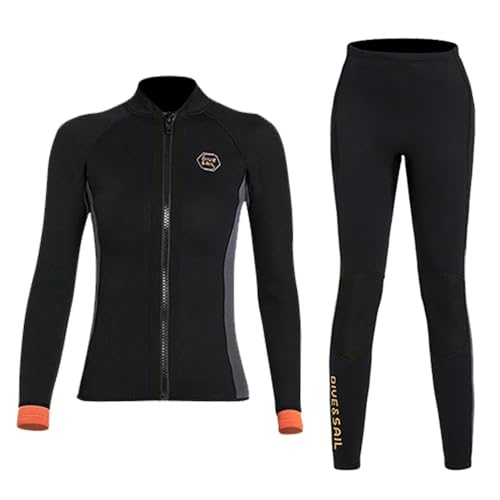
Comfortable Diving Suit --- Made from high-quality stretchy neoprene and ultra-flexible nylon fabric, suitable for wearing in temperatures of 19~26°C (66-79℉). The fabric is nylon cloth, which is skin-friendly and has good stretchiness. The middle layer uses 3mm stretchy neoprene, perfect for any water sports.

Did you know that harmful ultraviolet (UV) rays can actually penetrate clothing and leave you vulnerable to sun damage? Enter SunGuard - an easy-to-use laundry aid that washes UV protection right into clothes

3MM PREMIUM NEOPRENE & COLD WATER PROTECTION:Built with 3mm thick neoprene, this wetsuit locks in body heat for extended comfort in water temperatures of 55°F and above. 3mm chest panel for added warmth and 2mm sleeves for greater flexibility, while flatlock seamsprevent chafing during intense surfing or diving sessions
Frequently Asked Questions
Does UPF Clothing Work When Wet?
Yes, UPF clothing can work when wet, but moisture impacts its UV transmission. Different fabric types react differently, affecting the UPF rating. We must consider drying effects and laundering outcomes for ideal sun protection.
Does Rain Reduce UV Index?
Rain might seem like a superhero protecting us from UV radiation, but it’s not! The UV index can drop due to cloud cover, yet sun exposure still poses risks to our skin during outdoor activities. Let’s prioritize sun safety!
How Much Does Clothing Block UV Rays?
Clothing blocks UV rays effectively, but fabric moisture impacts UV clothing effectiveness. UPF ratings vary with color and type, and we can Layer strategically for outdoor activities to boost skin protection measures against sun exposure levels.
Can I Still Get Sunburnt Through Clothes?
Yes, we can still get sunburnt through clothes, especially with lighter or wet fabrics. For ideal sun safety during outdoor activities, we should prioritize clothing materials with higher density and layer them for better skin protection against UV radiation.