As an Amazon Associate, we earn from qualifying purchases. Some links on this site are affiliate links at no extra cost to you. Our recommendations are based on thorough research and editorial judgment.

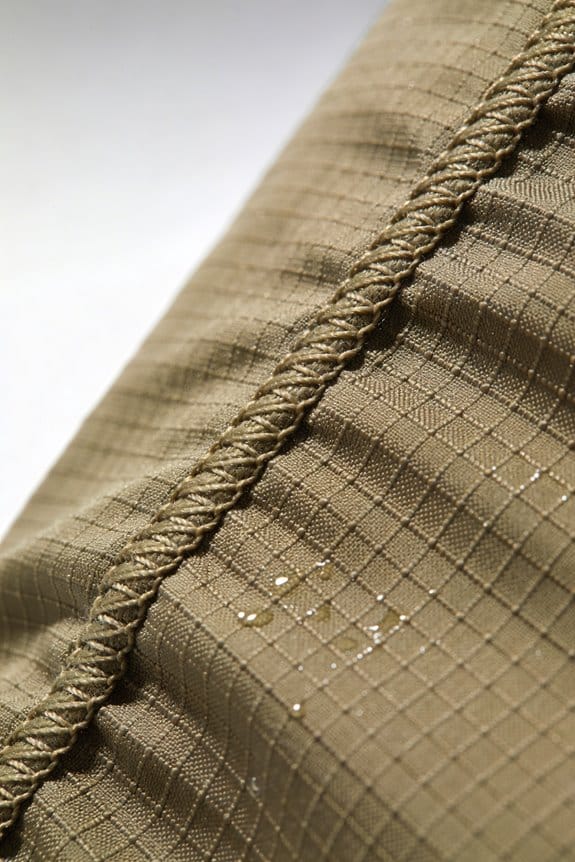
How Tight vs. Loose Weave Impacts Sun Protection

Are you concerned about sun protection when you’re out and about?
When it comes to fabrics, the difference between tightly woven and loosely woven materials can really impact how well they block those harmful UV rays.
Tightly woven fabrics, like denim and canvas, tend to do a better job at blocking UV rays compared to loose materials like gauze. Why is that? A dense weave minimizes gaps, giving you better protection from the sun.
If you’re looking at synthetic options, fabrics like polyester and nylon usually come with higher UPF ratings than cotton. Always keep in mind that darker colors help absorb more UV radiation, which adds an extra layer of protection.
So what should you look for? Here’s the trick:
- Choose tightly woven, darker fabrics for maximum sun safety.
- Don’t forget to check the UPF rating—higher is better.
- Remember that layering helps too; wearing more than one protective item can work in your favor.
Frankly, these choices matter if you want to enjoy your time outside without worrying about sun damage.
Sun protection should be part of your everyday routine, and selecting the right fabrics is a big part of that.
In wrapping this up, think about what you wear when heading out next time. Are your clothes ready to shield you from the sun?
Key Takeaways
- Tightly woven fabrics block UV rays more effectively due to reduced gaps between fibers.
- Loose weave fabrics allow more UV radiation to penetrate and reach the skin.
- The density of fabric significantly affects how much UV light is absorbed.
- Thicker materials generally provide better UV protection than thinner counterparts.
- Choosing tightly woven outdoor gear is essential for maximizing sun safety.
Understanding Sun Safety and Fabric Choice
Have you ever found yourself wondering how to stay safe under the sun while enjoying your outdoor adventures? It’s not just about slathering on sunscreen; what you wear can make a big difference too.
When choosing your clothes, go for tightly woven fabrics like denim or canvas. These not only look good but block more UV rays, giving you extra protection. On the other hand, if you’re reaching for something airy like gauze or linen, just know they’re letting in more UV rays, which isn’t ideal for your skin.
A useful tip: check those UPF (Ultraviolet Protection Factor) labels on clothing. The higher the number, the better the protection against UV exposure. So, if you’re serious about skin safety, aim for the higher ratings.
And here’s something you might not think about—darker colors are better. They actually absorb more UV radiation than lighter shades. Choosing a dark shirt could give you an extra layer of defense.
Want another quick tip? Wet fabrics can lower a material’s UPF rating. So, if you’re out swimming or sweating, it’s smarter to switch to something dry when you’re back in the sun.
For the best protection, look for clothing with UPF 50+ ratings to block over 98% of UV rays.
How Tight Weave Enhances UV Protection

Are you tired of worrying about sunburns and skin damage while enjoying the outdoors? Choosing tightly woven fabrics can be a solid step toward protecting your skin from those harmful UV rays. Fabrics such as denim and canvas are not just stylish; they also offer serious UV protection because of their dense construction. They work to block more UV radiation by minimizing gaps.
When shopping for clothes, look for materials with high UPF ratings. Ideally, you want ones that allow less than 2% of UV rays to reach your skin. In comparison, loosely woven fabrics might offer UPF ratings of just 5, which isn’t nearly as protective. Just take a moment to think about your usual summer wardrobe—are those light, breezy shirts really keeping you safe?
The thickness of the material also plays a crucial role. Thicker fabrics can absorb or reflect more UV radiation, giving you that extra level of protection. Plus, tightly woven garments are generally more durable and can maintain their effectiveness, even when they’re damp. This means you can feel confident wearing them at the beach or on a hike. Additionally, choosing shirts with UPF 50+ rating ensures you receive optimal protection against harmful UV rays.
Recommended Products

Classic, relaxed fit with UPF 50 protection

SOFT SPACEDYE PERFORMANCE FABRIC: Made with Beyond Yoga’s signature Spacedye material known for its ultra-soft feel, gentle stretch, and breathable comfort for active or casual wear.

Lightweight: Mens Merino Base Layer Available in: Lightweight = 165 g/m², Midweight = 250 g/m², Heavyweight = 320 g/m². Free Merino Wool Hiking Socks ($21 Value) – Package includes Lightweight Merino wool base layer mens top and wool men long johns 165 g/m² + Merino Wool Hiking Socks. Cool Packaging. Makes A Great Gift.
The Benefits of Loose Weave for Comfort and Safety

Have you ever found yourself sweltering in the summer heat, wishing you had a better way to stay cool? While tightly woven fabrics do a solid job of protecting you from UV rays, loose weave materials might just be the secret weapon you didn’t know you needed. Think about fabrics like gauze or lightweight linen. They’re super breathable, making them perfect for those hot days when you still want to look good and feel comfortable.
Here’s the trick: even though loose weave fabrics don’t block as much UV radiation, they shine when it comes to keeping your body temperature in check. The better air circulation helps you avoid that sticky, sweaty feeling. Want to take it a step further? Consider wearing darker colors. They actually absorb more UV radiation, which sounds counterintuitive, but it can help provide better protection when you’re outdoors.
As summer rolls in, it’s a smart move to pair loose-fitting clothing with UPF treatments. This combo really boosts your defense against the sun. And don’t forget the gaps in your clothing! Keeping those skin areas covered can help lower your chances of getting burned. So, when you’re stocking up on sun-safe attire, remember these tips: go for breathable fabrics and consider those UPF treatments. Choosing fabrics like polyester and nylon can also enhance protection due to their better UV resistance.
In short, when you prioritize comfort and safety, you can fully enjoy your outdoor adventures. What’s your go-to summer fabric for beating the heat?
Recommended Products
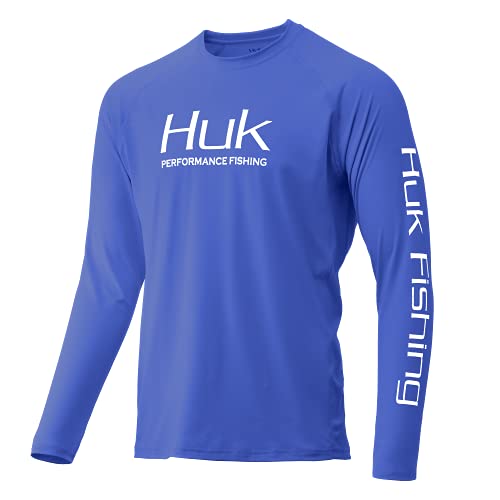
The Huk Pursuit Vented Long Sleeve Shirt is packed with Huk Performance Technology to handle the elements on the water |This lightweight crew neck shirt with mesh vented sides is an ideal layer on cooler days and perfect worn by itself when its hot

Cattleman crease crown

【LIGHTWEIGHT & QUICK DRY BASEBALL CAP】 - For all its cooling power this dry fit hat is incredibly lightweight and comfortable to wear. With the gore-max materials that make it more easy to dry and waterproof as well. Fashion and never go out of style. No matter what style you like. There is always your style! Suitable for both men, women and teenagers. It is lightweight and durable.
Factors Affecting Sun Protection Beyond Weave Types
When it comes to sun protection, it’s not just about the fabric weave. Have you ever noticed how some shirts keep you cooler and safe from the sun while others don’t? Let’s break it down.
First off, the fabric’s composition matters a lot. Synthetic fibers, like polyester and nylon, tend to offer better UV protection compared to natural ones like cotton. If you’re heading outside, you might want to reach for something made from these materials.
Thickness plays a role too. Thicker fabrics are typically more opaque, which means they allow less UV light to pass through. Have you noticed how lightweight tank tops can leave you feeling a bit exposed? That’s because they often don’t block as much sunlight.
The color of your clothing is another factor that shouldn’t be ignored. Darker colors absorb more UV rays than lighter shades. This means wearing a black shirt could actually give you more sun protection than a white one. Pretty interesting, right?
Density of the weave is crucial as well. A tightly woven fabric does a better job at blocking those harmful rays. If you’re shopping for sun-safe clothing, check to see how snugly the threads are packed together.
Additionally, some fabrics have chemical treatments that boost their UPF ratings, making them even more effective at blocking or reflecting UV radiation. Here’s the trick: look for clothing labeled with a high UPF when you’re buying.
Another key point is that long sleeve rash guards often feature UPF 50+ ratings, blocking about 98% of UV rays for maximum protection.
Considering all these factors can help you make smarter choices when it comes to sun safety. Are you ready to step out and enjoy the sun without the worry?
Top Fabrics for Sun Protection During Outdoor Activities
Planning a day outdoors? Imagine this: you’re out enjoying the sun but then realize you’ve made a mistake with your outfit choice. Sun protection isn’t just about sunscreen; the right fabric plays a huge role, too!
For top-notch UV protection, look for tightly woven fabrics like denim or canvas. These materials block way more UV rays compared to loose weaves like gauze or linen. If you’re serious about shielding yourself from the sun, go for UPF-rated fabrics. High-tech options like polyester and nylon often outshine natural fibers in this department.
Try this: when shopping, check for clothing with a UPF rating of 50+. This means only 2% of UV rays can sneak through, leaving you way better protected. And don’t forget about color—dark shades can offer an extra layer of defense against UV exposure.
Here’s the trick: while loose-fitting shirts might feel breezy, they can actually reduce UPF effectiveness. So, if you’re choosing your wardrobe for a sunny day, think about a good balance of comfort and protection.
Additionally, selecting garments made from lightweight, breathable materials can enhance comfort without compromising on UV protection.
Truth is, wearing the right fabric really can make a difference. So, next time you’re gearing up for an outdoor adventure, consider how your clothing choices can keep you safe in the sun while still letting you have fun!
Recommended Products

CUSTOM PRINT YOUR LOGO, NAME, OR DESIGN - Personalize this dry-fit performance t-shirt with your company logo, business name, team name, slogan, or custom text. Professionally DTF-printed with vivid, long-lasting color that won't crack or fade wash after wash. Perfect for company uniforms, sports teams, events, and personalized gifts.

DTF DIRECT-TO-FILM CUSTOM PRINT - Personalize this long sleeve performance shirt with your company logo, business name, team name, slogan, or custom text using our advanced Direct-to-Film (DTF) printing technology. Vivid, long-lasting color that won't crack or fade wash after wash - perfect for company uniforms, sports teams, events, and personalized gifts.

ULTRASKIN TECHNOLOGY - Made with Mares' Ultraskin technology, this full-body undersuit combines three layers: an inner fleece layer for warmth, a windproof breathable membrane, and an outer elastic layer, ensuring superior comfort and a perfect fit
How Color Influences UV Protection in Fabrics
Have you ever thought about how the color of your outdoor clothing can impact your sun protection? It’s something worth considering. Darker colors tend to absorb more UV rays, which means they actually offer better protection than lighter shades that mostly reflect sunlight. For example, a regular white T-shirt usually has a UPF of about 7, meaning that around 14% of UV rays can still get through. That’s not great, right? On the other hand, dark garments often have much higher UPF ratings, providing more protection against harmful rays.
The weave of the fabric plays a significant role, too. Tightly woven dark materials usually outperform loose, light-colored fabrics. So, if you want to protect your skin from getting sunburned while enjoying the outdoors, wearing bolder, darker clothing is a smart move. It not only keeps you safer from the sun but can also help you feel more comfortable if you’re out there for a long time.
Here’s the trick: When you’re shopping for outdoor gear, make darker shades a priority, and don’t forget about the weave. Opt for items that boast a solid, tight weave to provide maximum sun safety. So next time you head out for a day in the sun, remember: choosing the right color can make a big difference.
Ultimately, thinking about what you wear outdoors can save your skin. What shade are you grabbing for your next adventure? Also, pairing sun protective clothing with proper UPF protection enhances your overall defense against UV rays.
How to Implement Fabrics for Maximum UV Protection
Want to enjoy the sun without worrying about UV rays ruining your day? It’s all about the right choice in fabrics. When selecting your outdoor clothing, go for tightly woven materials like denim or canvas. Trust me, these dense fabrics do a better job of blocking those harmful UV rays than looser weaves.
Don’t forget about thickness! Thicker materials help keep UV rays at bay. And if you’re wondering about colors, darker hues are your best bet because they absorb more UV radiation compared to lighter shades.
Here’s the trick: look for clothing that has special treatments to boost their UPF (Ultraviolet Protection Factor) ratings. This can make a big difference in how many UV rays your clothes can shield you from.
For extended protection, consider fabrics with abrasion resistance to maintain integrity after repeated use outdoors.
So, what’s the takeaway? By paying attention to these qualities when shopping, you can ensure your wardrobe protects you during outdoor adventures.
Are you ready to take your UV protection seriously this summer?
Recommended Products

UNWORK EVERYWHERE RELAXED FIT PANT - Blurring the line between work and play, the Unwork Everywhere pants offer a relaxed fit with a straight leg designed to help create 686's most durable apparel to date, because sometimes we play harder than we work

Made in Canada

Rated UPF 50+
Caring for UPF Clothing to Maintain Effectiveness
Taking care of your UPF clothing is crucial for keeping its protective features working well. I get it—you may think washing your gear is pretty straightforward, but there’s a bit more to it. Here’s the trick: skip the fabric softeners and bleach. These can really mess with the fabric’s UV-blocking abilities. Instead, opt for a gentle laundry detergent that’s designed specifically for UPF materials. This helps your gear last longer—think beyond 30 to 40 washes!
Always check the care instructions from the manufacturer, too. Following those can save you from some costly mistakes. When it comes to storing your UPF clothing, make sure to keep it out of direct sunlight. It may seem simple, but this small step can really help maintain its protection against harmful rays.
In addition, understanding the fabric composition is important because materials like polyester provide UPF ratings and enhance the durability of the sun protection.
So, why does this matter? Your skin deserves the best defense, and making sure your UPF gear is in top shape is an essential part of that. Proper care isn’t just about washing; it’s about extending the life of your favorite protective clothing.
To wrap it up, treating your UPF clothes with care can help keep you shielded from the sun’s rays for longer. How do you make sure your favorite gear stays in good shape?
Recommended Products

Did you know that harmful ultraviolet (UV) rays can actually penetrate clothing and leave you vulnerable to sun damage? Enter SunGuard - an easy-to-use laundry aid that washes UV protection right into clothes

Luxurious Midweight Warmth: Made from 100% Merino wool in a substantial 250gsm knit, this women's long underwear set delivers breathable insulation for skiing, snowboarding, hiking, and everyday winter wear.

Unrivaled Cleaning Power: Offers a deep 6X cleaning power, ensuring your clothes receive the ultimate level of cleanliness and stain removal; Fragrance-free and dye-free formula
Frequently Asked Questions
What Fabrics Disrupt UV Light?
We’ve heard it said, “Don’t judge a book by its cover.” In evaluating fabrics that disrupt UV light, we consider weave structure, fiber types, treatment processes, and color impact affecting UV light penetration and breathability effects.
What Blocks 100% of UV Rays?
We can’t block 100% of UV rays, but we can choose fabrics with high UV ray absorption. A combination of fabric thickness, weave structure, color impact, and treatment methods enhances protection while considering moisture content and garment fit.
What Material Blocks UV Light Most Efficiently?
We’ve found that polyester efficiency and nylon durability usually offer the best UV protection. While cotton performance is decent, silk protection, merino wool, bamboo fabric, and rayon characteristics can also help. Denim behavior outshines linen attributes too.
What Makes a Fabric UPF 50?
We’ve learned that achieving a UPF 50 rating involves a blend of texture, weave density, color significance, and treatment methods. By understanding fiber types and thread count, we can create effective sun-protective garments together.