As an Amazon Associate, we earn from qualifying purchases. Some links on this site are affiliate links at no extra cost to you. Our recommendations are based on thorough research and editorial judgment.

Natural vs. Synthetic Insulation: Pros, Cons, and Best Uses

When it comes to insulation, have you ever found yourself pondering the choice between natural and synthetic options? You’re not alone. Each type has its advantages and disadvantages that can really impact your decision.
Natural insulation, like wool and down, is known for great moisture regulation. However, it can hit your wallet pretty hard.
On the flip side, synthetic materials such as polyester are much easier on your budget and tend to work really well in damp conditions. If you’re looking for lightweight warmth, down is hard to beat, yet it’s important to remember that synthetic options do a solid job of keeping warmth in, even when they get wet.
So, what should you prioritize? Here are a few things to consider:
- Budget: Natural insulation often comes with a higher price tag.
- Performance: Think about the climate where you live. If moisture is a concern, synthetic might be the way to go.
- Weight: If you’re planning on hiking or backpacking, you’ll want something lightweight.
Ultimately, your choice should reflect your specific needs and budget.
As you weigh your options, think about how you plan to use the insulation. Which type seems to fit your lifestyle better? It’s all about finding what’s right for you.
Key Takeaways
- Natural insulation offers superior moisture regulation and biodegradability, making it an eco-friendly option with a higher upfront cost.
- Synthetic insulation is budget-friendly and quick-drying, ideal for wet conditions and various outdoor activities.
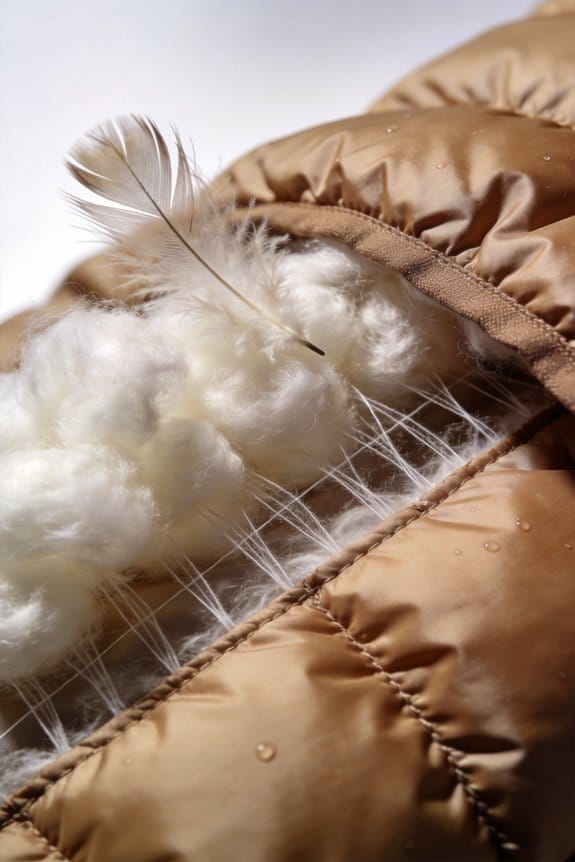
- Down insulation provides exceptional warmth and lightweight comfort but loses effectiveness when wet and requires more maintenance.
- Synthetic insulation retains warmth when wet, is generally tougher, and is easier to maintain, but may hold onto odors over time.
- When considering insulation, choose natural for sustainability and air quality, and synthetic for durability and performance in damp climates.
Understanding Natural and Synthetic Insulation: Key Concepts
When you’re choosing insulation materials, it can feel overwhelming. You might wonder, “What’s really the difference between natural and synthetic options?” Let’s break it down.
Natural insulation, like wool and down, is biodegradable and usually does a great job of keeping your space warm. These materials often come from sustainable sources, which means they can be a better choice for the planet. Sure, the upfront cost might be higher, but think of it as an investment in long-term savings.
On the other hand, synthetic insulation, which is often made from petroleum-based materials like polyester, tends to be more budget-friendly. It dries quickly and performs well even when things get a bit wet outside, making it a solid choice for active lifestyles. However, it doesn’t quite measure up when it comes to regulating moisture the way natural options do.
You might be wondering, “Which one is best for me?” The answer depends on your needs. If you’re looking for something eco-friendly and don’t mind spending a little extra, natural insulation could be the way to go. But if you’re on a tight budget or need something that can handle the elements, go for the synthetic materials. Additionally, many water-resistant jackets use synthetic insulation because it maintains warmth even when damp, unlike natural down.
Comparing Down and Synthetic Insulation: Key Differences
Are you trying to decide between down and synthetic insulation for your next outdoor adventure? It can be tough! Both types have their pros and cons, and knowing them can help you make a smarter choice.
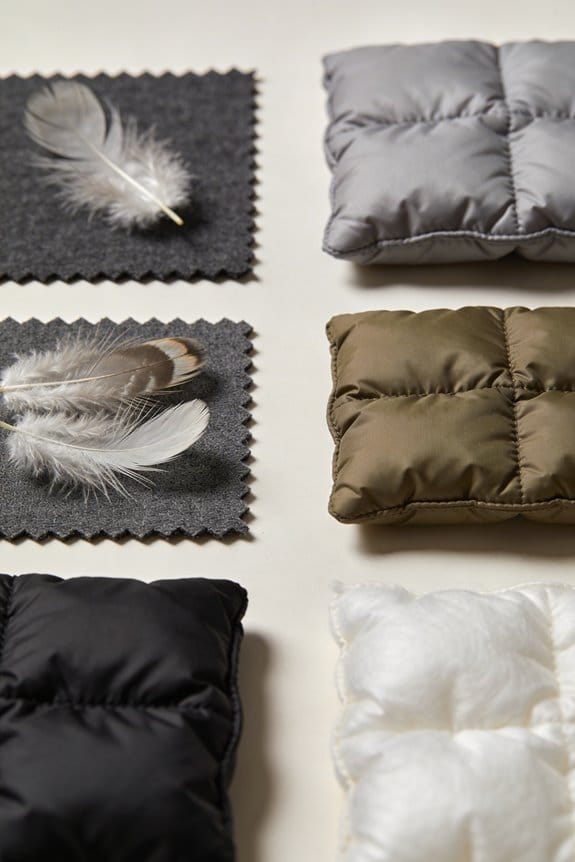
Down insulation is a natural material that’s prized for its warmth-to-weight ratio. It keeps you super cozy in extremely cold temperatures. However, here’s the catch: when it gets wet, it loses that warmth advantage. If you’re hiking in a rainy environment or sweating it out on the trail, down might not be your best bet.
On the other hand, synthetic insulation is made from polyester and shines when conditions are damp. It retains warmth even when wet, which can save you from chilling out in unexpected rain. Plus, it’s generally tougher and easier to maintain. You can toss it in the wash without worrying too much, and it dries quicker. That’s a lot of convenience when you’re out and about!
Many synthetic insulated jackets also feature waterproofing capabilities, further enhancing their usefulness in wet weather.
So, what’s the takeaway? If you’re expecting bone-chilling cold and dry weather, you might lean toward down. But if you’re adventuring in places where moisture is part of the game, synthetic is the way to go. Think about where you’ll be and what you’ll be doing, and you’ll find the right insulation for your needs.
Have you tried both types before? What worked best for you in different conditions?
Recommended Products

Down parka features added coverage and insulation for frigid outings

GORE-TEX WATERPROOF FABRIC - The warmest GORE-TEX big game gear, this waterproof insulated jacket is built for late season hunts that have you sitting on exposed glassing points or riding into howling wind and snow

GORE-TEX WATERPROOF FABRIC - The warmest GORE-TEX big game gear, this waterproof insulated jacket is built for late season hunts that have you sitting on exposed glassing points or riding into howling wind and snow
Benefits and Drawbacks of Natural Down Insulation
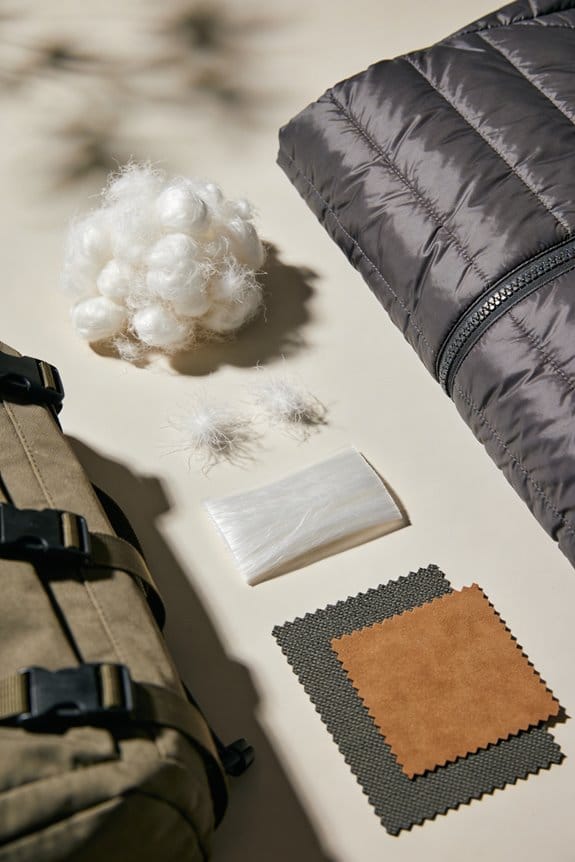
Natural down insulation brings up quite a mix of pros and cons that you’ll want to think about. Ever notice how some jackets feel light as air yet keep you toasty warm? That’s because down insulation has an incredible warmth-to-weight ratio, giving you that cozy feeling without all the bulk. Plus, it packs down easily, so it’s perfect for throwing in your bag when you’re heading out. Just make sure you take care of it, because with the right maintenance, down can keep its insulating qualities for years.
But it’s not all sunshine and warm feelings. Ever been caught in the rain while wearing down? That’s where things can get tricky. Down doesn’t do well with moisture; when it gets wet, it can lose most of its insulating power. Cleaning can also be a bit of a hassle compared to synthetic options, so keep that in mind if you’re someone who prefers easy upkeep.
On the flip side, let’s talk comfort. There’s something about the soft texture of down that just feels nice against your skin, a quality that’s hard to beat. If you live in a humid area, think about using treated down. It helps handle moisture better, so you stay warm even when the weather isn’t cooperating. Additionally, an ideal down jacket will have a durable water-repellent (DWR finish) to protect against moisture and maintain insulation efficiency.
Recommended Products

The iconic Expedition Down Jacket with an updated fit.

Made from G-1000 and padded with ethically produced down.

Enjoy the outdoors in the Fjallraven Expedition Down Lite Jacket. With its lightweight material, it is the perfect must-have for milder winter climates.
Strengths and Weaknesses of Synthetic Insulation
When it comes to choosing the right insulation for your gear, have you ever found yourself torn between synthetic and down? It can be tough to know what really works best for your needs. While synthetic insulation might not boast the same warmth-to-weight ratio as down, it certainly brings a lot to the table in terms of practicality.
For starters, synthetic insulation tends to be more affordable. If you’re on a budget but still want to stay warm, this could be a solid choice. Plus, it dries quickly, which is a big deal if you’re caught in damp conditions. If you enjoy active sports, you’ll appreciate that this lightweight material stays effective, even when wet.
But let’s not gloss over the downsides. Synthetic insulation can hold onto odors over time—ever wonder why some jackets just don’t smell fresh anymore? It can also feel less breathable, which is a factor to consider if you’re planning to wear it for long stretches. And here’s something that often gets overlooked: many synthetic materials come from petroleum, which means they don’t break down easily in the environment. So, why does this matter? Because it’s worth thinking about the impact of your choices.
When selecting gear, it’s also important to consider the breathability features that synthetic insulation might lack, as this influences overall comfort during wear.
As you weigh your options for insulation, consider these strengths and weaknesses. You might find that synthetic is the way to go, especially if you look for eco-friendlier options. Remember, a little research can go a long way in helping you make a sustainable choice.
What’s your priority: performance in the rain, or the warmth of down?
Recommended Products

Model number: F84131-550

Durable recycled polyamide with a waterproof and breathable Hydratic liner.

GORE-TEX WATERPROOF FABRIC - Built for late season waterfowl hunts in frigid temps, high winds and driving snow or rain, this is our warmest insulated GORE-TEX jacket for waterfowl hunting
Environmental Impact of Insulation Materials
When it comes to insulation materials, have you ever thought about their environmental impact? It’s something worth considering, especially with so many options out there. Natural insulation choices like wool and hemp are great because they’re biodegradable and renewable, which means they leave a smaller environmental footprint. On the other hand, synthetic materials like fiberglass and polystyrene come with a hefty price tag for the planet—think high carbon emissions and a lot of energy used during production.
So, why does this matter? Well, while natural options can break down or even be composted, synthetic insulation can stick around in landfills for hundreds of years. Plus, they can contribute to microplastic pollution, which is a big concern for our ecosystems and health.
If you’re in the market for insulation, here’s the trick: look for products with certifications like GREENGUARD Gold and LEED labels. These tend to indicate lower toxin emissions and practices that are kinder to the planet.
The best part is that by choosing sustainable insulation, you’re not just making a choice for your home; you’re supporting eco-friendly practices that benefit us all. So, as you plan your next project, think about the lasting impact of your choices. Are you ready to make a positive difference? Merino wool, as a natural renewable material, is an excellent example of eco-friendly insulation that also offers warmth and moisture-wicking benefits.
Which Insulation Type Is Right for Your Project Needs?
Are you scratching your head trying to figure out which insulation type works best for your project? It’s a common dilemma, and the right choice can really make a difference. If you’re leaning towards natural options, consider materials like wool or hemp. These not only do a great job at regulating moisture, but they also keep the air quality inside your space fresh and clean. For anyone looking to bring sustainability into their projects, these eco-friendly choices really shine.
On the flip side, if you’re working on a tighter budget or in a damp environment, synthetic insulation might be the way to go. Think about polyester; it’s quick to dry and typically easier to maintain. This can be especially helpful if you’re in a place where things tend to get a little musty.
Now, if you’re gearing up for outdoor adventures, down insulation is the way to go. It packs a serious warmth-to-weight punch and can keep you cozy in extreme cold. Just remember, while it’s fantastic for warmth, it might struggle when moisture hits. So, what about thermal performance? Always check those R-values; they are your go-to for understanding how well your insulation will perform.
In the end, think carefully about your climate and project needs. Picking the right insulation isn’t just about costs; it’s about comfort and efficiency too. What’s your top priority when choosing insulation? Also, consider the importance of moisture-wicking properties to keep insulation effective and comfortable over time.
Practical Applications: Using Down vs. Synthetic Insulation Effectively
Choosing the right insulation can feel overwhelming, especially when you’re trying to stay warm during outdoor adventures. So, what makes a difference? If you’re looking for lightweight warmth, down insulation is often the best bet. It’s particularly great for things like alpine climbing or backpacking in dry, cold conditions. You’ll appreciate its warmth-to-weight ratio on those long treks.
But when wet weather is in the forecast, synthetic insulation should be your go-to. It really shines in damp conditions since it dries quickly, which is perfect for activities like skiing or water sports. Frankly, having a piece that keeps you cozy in the snow and doesn’t take hours to dry is a win.
For more durability, think about treated down options like ProDown™ or synthetic choices like ThermoBall™ Eco. These options can mimic down but still keep you warm even when they’re wet. Here’s the trick: having the right gear isn’t just about staying warm; it’s about enjoying every moment outdoors, no matter the weather.
Additionally, selecting jackets with a high fill power rating, such as 650+, ensures optimum warmth and insulation efficiency.
Recommended Products

PREMIUM INSULATION – Featuring Allied Feather & Down 550 Fill Power duck down, this OBERMEYER Womens Resort Warm Outdoor Ski Snowboard Katze Suit One Piece keeps you cozy in extreme cold.

PREMIUM WARMTH & COMFORT – Experience unbeatable insulation with 550 fill power duck down in the upper body and sleeves, ensuring you stay cozy in cold weather.

INSULATION: Welded baffle construction with 800-fill RDS-Certified, fluorine-free Allied Down to retain maximum warmth.
Future Trends in Sustainable Insulation: Innovations and Insights
With rising energy costs and climate change concerns, you might be wondering how to keep your home cozy without hurting the planet. Sustainable insulation is getting a lot of attention lately, and it’s not hard to see why. Innovations in materials are paving the way for better options, like those made from recycled goods that minimize environmental harm and cut down your energy bill.
Think about using bio-based materials or advanced recycling methods. These materials not only lower your carbon footprint but also perform well in keeping your home warm. For example, aerogels are super light and offer fantastic thermal performance, while mushroom-based insulation is not just effective but also biodegradable. What’s not to love about a product that’s good for your wallet and the Earth?
Smart technology is also stepping into the insulation game. Some newer systems can adjust their thermal properties on their own, boosting your energy efficiency without you having to lift a finger. Plus, more companies are dedicated to creating products that align with strict environmental standards, making it easier for you to make eco-friendly choices.
When you consider the circular economy, it’s pretty clear we can do a lot by choosing reclaimed materials. This helps reduce waste and cuts down on the need for extracting new resources. The best part is, embracing these options can lead to a more sustainable lifestyle overall. Workwear brands also demonstrate the importance of durable, adjustable materials through features like adjustable straps found in high-quality overalls that ensure long-lasting comfort and utility.
Frequently Asked Questions
Is It Better to Use Natural or Synthetic Material?
When choosing between natural or synthetic materials, we find natural insulation benefits enchanting, offering comfort and breathability. Yet, synthetic insulation’s durability shines in harsh weather. Balancing environmental impact comparison guides us towards responsible choices for our needs.
What Is the Best Type of Insulation to Use?
When choosing insulation, we should consider type comparison, environmental impact, cost efficiency, and thermal performance. Natural options excel in sustainability, while synthetic materials often provide better moisture resistance and durability for specific conditions.
What Is an Advantage of Using Synthetic Insulation Over Down Insulation?
Imagine a fortress against the elements—synthetic insulation offers water resistance and durability, while being lighter and often cheaper than down. It’s our best bet for budget-conscious adventures that demand reliable warmth and quick-drying efficiency.
What Are the 5 Disadvantages of Synthetic Fibers?
We see five disadvantages of synthetic fibers: their high environmental impact, lower warmth retention compared to natural options, questionable durability in harsh conditions, less cost efficiency long-term, and difficulties in recycling contribute to significant waste challenges.