As an Amazon Associate, we earn from qualifying purchases. Some links on this site are affiliate links at no extra cost to you. Our recommendations are based on thorough research and editorial judgment.

The Three-Layer System Explained: Base, Mid, and Outer Layers

Ever been outside on a chilly day, only to feel uncomfortably cold because you didn’t layer right? You’re not alone! Staying comfortable outdoors is all about using a three-layer system: base, mid, and outer layers.
The base layer is crucial—it needs to wick moisture away from your skin. Look for materials like polyester or merino wool. These fabrics help keep you dry, which is key for staying warm.
Next up is the mid layer. This one’s all about trapping warmth, so think fleece or synthetic insulation. Depending on what you’re doing, you might want to adjust the thickness. If you’re active, a lighter mid layer will work better; if it’s a more sedentary activity, go a bit thicker for extra warmth.
Finally, the outer layer—this is your defense against wind and rain. Options like waterproof shells are fantastic for those wet, breezy days. You’ll want to ensure that each layer fits comfortably without being restrictive, so you can move freely.
So, how do you tweak this system for different activities or climates? If you’re hitting the trails in spring, a lighter base layer with a fleece mid layer and a breathable shell will keep you comfortable. In colder months, add a thicker mid layer and a heavier outer shell to wear.
Honestly, having the right layers can make or break your outdoor adventure. Just remember, it’s all about finding what feels best for you.
In a nutshell, layering smartly is the key to enjoying your time outside. What’s your go-to layering setup?
Key Takeaways
- The three-layer system includes a base layer for moisture management, a mid layer for warmth, and an outer layer for weather protection.
- Base layers wick sweat away and are made from materials like synthetic fabrics or merino wool for optimal performance.
- Mid layers trap body heat and are constructed from fleece, synthetic insulation, or down, offering flexibility in thickness.
- Outer layers protect against the elements with waterproof or soft shell materials, featuring ventilation options for temperature control.
- Adjust layering based on activity level and climate, choosing thicker options for cold conditions and breathable layers for warmer settings.
Why Layering Matters for Outdoor Activities
When you’re out enjoying the great outdoors, layering is key to staying comfortable and safe. Think of it like dressing in smart segments instead of just throwing on your favorite hoodie. A solid layering system includes three essentials: a base layer, a mid layer, and an outer layer.
Start with the base layer; its job is to wick moisture away from your skin, making sure you don’t end up drenched in sweat. After that comes the mid layer, which keeps the warmth in by trapping your body heat. Finally, the outer layer acts like a shield, blocking out wind and water, so you can focus on the adventure instead of shivering from a chilly breeze.
Choosing the right materials is half the battle. For the base layer, you might want to go for synthetic fabrics or merino wool—they do a great job of managing moisture. The mid layer? Polyester fleece or down can keep you cozy without weighing you down. Always remember that the fit matters. If your layers are too snug or too loose, it can affect your movement and comfort, especially during activities.
So, why does this matter? Because keeping your temperature regulated can really make or break your outdoor experience. Whether you’re hiking, skiing, or just strolling through the park, having the right layers means you can enjoy yourself without worrying about whether you’re too hot or too cold.
Due to their moisture-wicking properties, base layers are essential in preventing chilling caused by sweat accumulation.
Give it a go: when you plan your next outdoor venture, think through your layers. What do you have in your closet that can work together? With the right approach, you’ll be ready to tackle whatever nature throws your way. Just remember, the right layers can help you stay comfortable and focused on making great memories. What’s your go-to layering strategy?
Recommended Products

LIFA STAY WARM TECHNOLOGY combines breathable warmth with the unique moisture management properties of the versatile LIFA Merino crew that adapts to any type of cold weather

Premium Merino Wool Blend: Provides natural warmth, moisture regulation, and odor resistance

A unique 2-in-1 base layer half-zip to with a with a warm-breathable 100% merino wool exterior and a 100% LIFA wicking interior.
The Role of Base Layers in Moisture Management
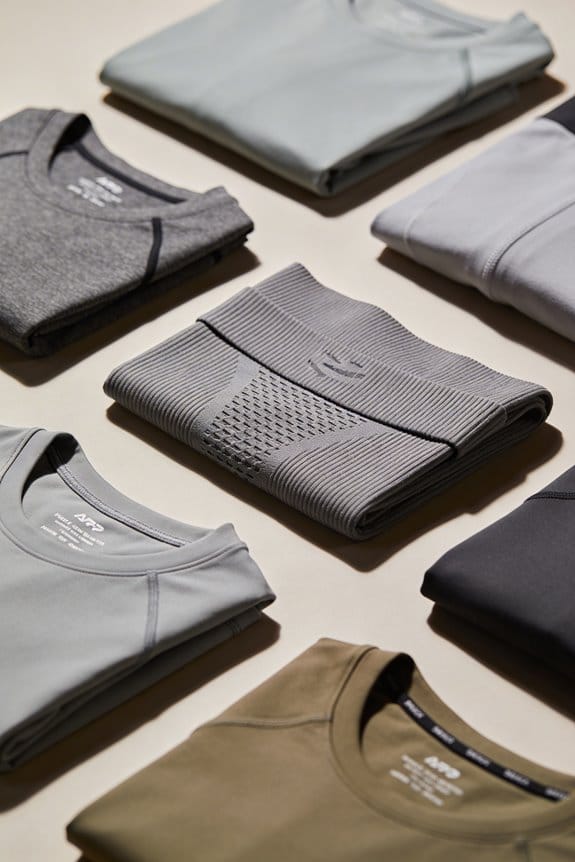
Base layers can be a bit of a mystery, right? You might wonder why they matter so much, especially when it comes to outdoor activities. The truth is, these layers sit directly against your skin, making moisture management a breeze. They effectively wick sweat away, helping you stay comfortable and maintain a steady body temperature, whether you’re hiking, biking, or just enjoying the great outdoors.
So, what should you look for? Opt for materials like synthetic fabrics (think polyester) or natural options like merino wool. Both choices are fantastic for keeping you dry. You want your base layer to fit snugly around your body. This snug fit ensures moisture moves away from your skin without restricting your movement.
Now, depending on the weather, you’ll want to adjust your choices. If you’ve got a high-energy day ahead in warmer temps, lightweight synthetics are your best bet. For those chilly days, don’t hesitate to reach for midweight options that add a little insulation. Honestly, it’s all about keeping comfortable so you can enjoy what you love without distraction.
And here’s a little tip: consider base layers with UPF ratings for sun protection. They’re super handy and versatile for different outdoor settings.
Choosing a base layer with moisture-wicking technology will greatly enhance your comfort by efficiently pulling sweat away from your skin.
To sum it up, your base layer can make a big difference in how you feel during your activities. So, what’s stopping you from ditching that old cotton shirt and finding the right base layer?
Recommended Products

Premium Merino Wool Blend: Ensures natural warmth and moisture control

Workout in comfort in these long sport pants.

Exceptional Thermal Performance – Keeps you warm and comfortable during long dives or extended underwater activities.
How to Pick the Perfect Mid Layer for Warmth
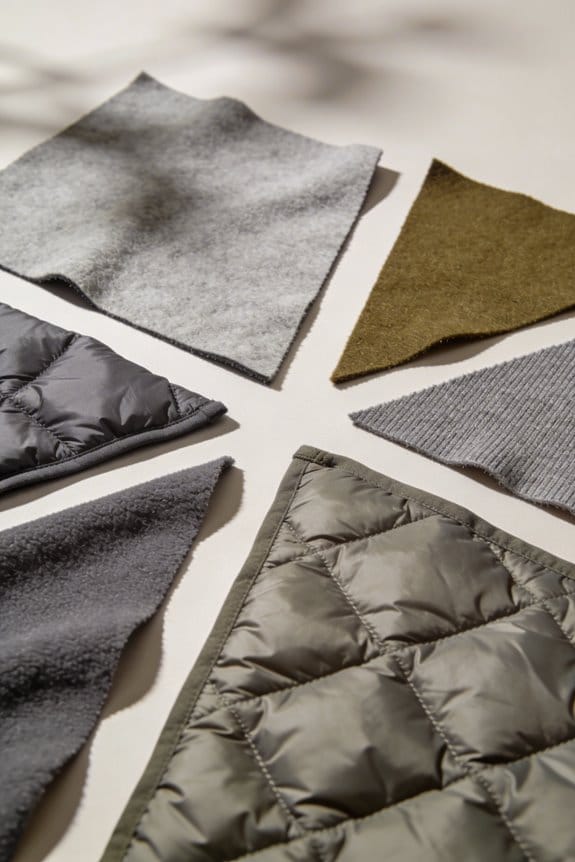
Finding the right mid layer for warmth can be a real head-scratcher, especially if you want to stay comfortable during your outdoor adventures. What materials should you really pay attention to? Go for fleece or synthetic insulation. These materials do a fantastic job of trapping body heat while letting moisture escape. This means you’ll stay dry and toasty, which is essential when you’re on the go. If you’re heading out into colder and dry conditions, down insulation is a great choice because it has an amazing warmth-to-weight ratio. However, if wet environments are more your thing, stick to synthetic options.
Don’t overlook the thickness of the mid layer. A thicker fabric can give you more insulation, but sometimes two thinner layers work better. They can provide more flexibility and breathability, which is pretty important, especially when you’re moving around a lot. Keep an eye out for mid layers that also have moisture-wicking properties and dry quickly. This is crucial if you’re planning on doing high-output activities, like hiking or skiing.
Make sure the fit of your mid layer isn’t restrictive. You want to be able to move freely without feeling cramped. Tight clothing can really slow you down or make you uncomfortable, and that’s the last thing you want while out there enjoying nature. Think about it this way: the right mid layer can really help maximize your warmth and comfort, letting you focus on what you’re doing instead of how cold you feel. Choosing a mid layer with breathability features will help regulate your temperature during physical activity for better comfort.
Recommended Products

Fair Trade Certified: We proudly produce one of the best winter jackets for men in a Fair Trade Certified facility. Building worker well-being into our product DNA.

SCULPTED HOOD FOR VISIBILITY - The fully adjustable hood rotates and swivels with you, offering complete weather protection without impeding your vision

Case contains 24 hooded sweatshirts total
Protecting Against the Elements With Outer Layers
How do you keep yourself protected from whatever Mother Nature throws your way? Your outer layer is your first line of defense against rain, wind, and chilly weather. If you want to block the wind and stay dry, go for a waterproof shell. These jackets are a must-have when it’s wet outside, shielding you from rain, sleet, and snow. Here’s the trick: you’ll want materials that breathe, allowing moisture to escape so you don’t end up overheating.
For those milder days, consider a soft shell. They’re comfy and provide some light moisture resistance, perfect when the sun is peeking out. Features like pit zips and functional hoods can make a big difference when you’re out and about, helping with temperature control when the weather suddenly changes.
So, how do you choose the right outer layer? Think about your climate and the activities you’ll be doing. Whether you’re hiking, biking, or just taking a stroll, it’s important to keep both comfort and protection in mind.
In short, investing in the right outer layer keeps you cozy and safe from the elements. Choosing jackets with waterproof and breathable membranes ensures you stay dry and comfortable throughout your outdoor adventures. What’s your go-to strategy when dealing with sudden weather shifts?
Recommended Products

Developed together with ocean pro-racers, this hardy sailing jacket gives seasoned sailors and racers maximum protection.

PREMIUM INSULATION – Featuring Allied Feather & Down 550 Fill Power duck down, this OBERMEYER Womens Resort Warm Outdoor Ski Snowboard Katze Suit One Piece keeps you cozy in extreme cold.

Durable recycled polyamide with a waterproof and breathable Hydratic liner.
How to Adjust Your Layering System for Activities?
When you’re out in the wilderness, nothing’s more frustrating than feeling too cold or too hot because of the layers you’ve got on. So, how do you adjust your layers based on what you’re doing?
For static activities like ice fishing or camping, you definitely want to crank up the insulation. Adding thicker mid-layers can keep you toasty when you’re not moving much. But if you’re diving into something like running or hiking, opt for lighter mid-layers that allow your skin to breathe. You gotta find that balance, right?
Temperature can change on a dime, so it’s smart to mix things up. Don’t hesitate to shed a mid-layer while climbing to avoid breaking a sweat and feeling miserable. And keep an eye on your base layer for moisture; if you’re sweating like crazy, you might want to switch to a more breathable option.
Here’s the trick: always stash a few versatile and packable layers in your kit for those surprise weather changes. You never know when a sunny day will turn into a chilly breeze. That way, you can stay comfortable and ready for whatever outdoor adventure comes your way. Choosing a base layer with moisture-wicking properties can help keep you dry and warm throughout your activity.
Choosing Materials and Fit for Each Layer
Have you ever bundled up for a day outside, only to find yourself too hot, too cold, or just uncomfortable? Finding the right layers can make all the difference in your comfort level, so let’s break it down.
When it comes to base layers, aim for materials that wick moisture. Think synthetic fabrics or merino wool. These keep your skin dry and help regulate your body temperature, which is especially helpful when you’re active outdoors. Mid layers are where you’ll want some insulation—fleece or down are great choices here. They trap body heat but still let moisture escape from your base layer.
Now, the outer layer is key to staying dry. You want something waterproof yet breathable; materials like GORE-TEX are perfect for this. Make sure each layer fits well: your base layer should be snug against your skin, mid layers should allow for movement, and outer layers should fit comfortably over everything without being overly baggy.
If you’re in a warmer climate, lightweight base layers are your best bet. However, if you’re braving colder weather, opt for thicker options. So, why does this matter? The right materials and fit can mean the difference between an enjoyable outdoor experience and one that leaves you distracted by discomfort.
Additionally, incorporating outer layers with features like ventilation options can help manage temperature and moisture effectively.
To sum it up: choosing the right layers is all about considering the climate and finding the materials that work best for you. What’s your go-to strategy for staying comfortable outside?
Recommended Products

RESPONSIBLY SOURCED 100% Virgin Merino wool

MIDWEIGHT 100% MERINO WOOL base layer ideal for cold weather activities

Frequently Asked Questions
What Is the 3 Layer System?
The three-layer system’s all about layered clothing for temperature regulation during outdoor activities. We use various fabric materials for moisture management, insulation options for warmth, and breathable outer layers for weather adaptability with smart layering techniques.
What Is the 3 Layer Rule?
The three layer rule enhances our outdoor gear experience by maximizing insulation techniques and temperature control. It offers layer flexibility and activity adaptability while emphasizing moisture management using proper layering materials for comfort in varying conditions.
What Is a Base Layer and a Mid Layer?
We can’t believe it, but base layers manage moisture like magic, while mid layers offer warmth. Using different materials and layering techniques guarantees temperature regulation and activity suitability—plus, we always consider style in our adventures!
What Is the 3 Layer Principle?
The three-layer principle provides versatility in clothing, emphasizing moisture management and temperature regulation through activity-specific layers. This approach offers layering benefits and packing efficiency while allowing seasonal adjustments using various garment materials for ultimate comfort.