As an Amazon Associate, we earn from qualifying purchases. Some links on this site are affiliate links at no extra cost to you. Our recommendations are based on thorough research and editorial judgment.


Why Layering Beats a Single Heavy Coat: The Physics of Warmth

Ever find yourself freezing even when you’re bundled up in a heavy coat? It’s a common problem, and there’s a simple reason: layering is way more effective for keeping you warm than just piling on a single bulky coat. Let’s break down why.
Start with a snug base layer. You can choose synthetic fabrics or soft merino wool that help wick away sweat. This is key because staying dry is half the battle against the cold.
Then, think about your mid-layer. A breathable fleece works wonders for insulation without making you feel like a walking marshmallow.
Now, don’t forget about your outer layer! You’ll want something that’s windproof and waterproof to fend off the elements. This setup not only keeps you warm but also allows for adjusting based on how active you are or how the temperatures shift throughout the day.
So, why does this matter? Well, with layering, you can easily peel off a layer if you get too hot or add another if the chill suddenly kicks in. It’s versatility at its best.
Here’s the trick: mix and match your layers to find what works for you.
To sum it up, ditch the one-size-fits-all approach of a heavy coat. Instead, give layering a try for your winter adventures. What’s the worst that could happen? You just might enjoy your time outside a lot more!
Key Takeaways
- Layering traps insulated air between garments, enhancing warmth without the bulk of a heavy coat.
- A base layer efficiently wicks moisture away, preventing chills and discomfort during activities.
- Mid layers provide adjustable insulation, allowing for temperature regulation based on activity level.
- An outer layer protects against wind, rain, and snow, preventing moisture build-up for enhanced comfort.
- Layering facilitates movement and temperature control, adapting seamlessly to varying weather conditions.
The Physics of Heat Retention: Why Layers Matter
When the temperature drops, staying warm can feel like a challenge. Ever wondered why just throwing on a big, heavy coat sometimes doesn’t do the trick? The secret is all about layering your clothing.
Layering traps air between your garments, creating insulation that really helps retain heat. Instead of relying solely on one bulky coat, think about it this way: you can start with a solid base layer. Materials like merino wool or synthetic blends are great for this because they pull sweat away from your skin, which helps keep you cozy and prevents chills.
Next, consider adding a mid layer. This layer gives you extra warmth without feeling bulky. It’s important to keep your mobility, and that’s what the mid layers do best—they keep you warm while letting you move around comfortably. To top it off, a shell layer comes in handy. It protects against wind and water, so you’re covered no matter what the weather throws at you.
So, why does this matter? By wearing a few lightweight layers, you’re set up to adjust to changing temperatures easily. As the day warms up or cools down, you can add or remove layers without compromising your comfort. Truth is, staying warm isn’t just about piling on the fabric; it’s about smart choices in how you dress.
Choosing fleece-lined thermals as your base layer enhances insulation while maintaining breathability for active wear.
Understanding the Three-Layer System
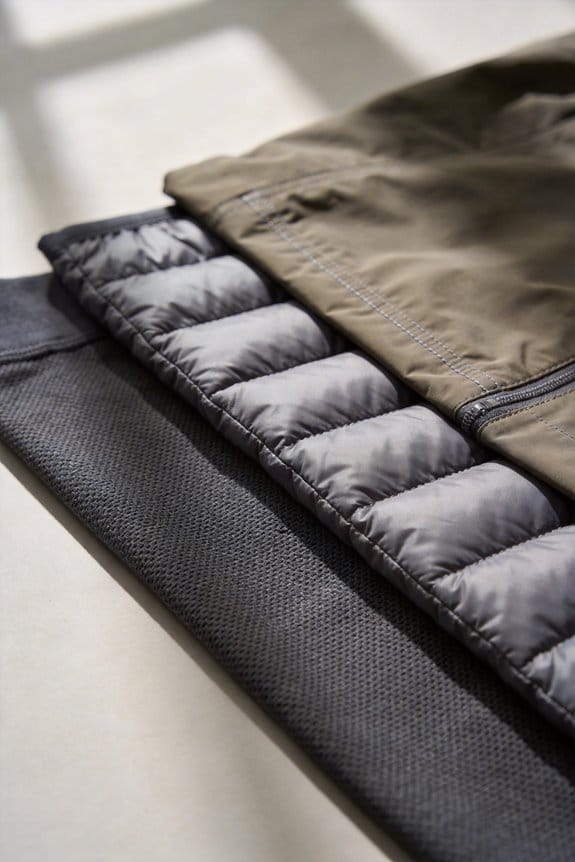
Feeling cold while trying to enjoy the great outdoors can be a real buzzkill. So, how do you stay warm and comfortable when the temperatures drop? The answer lies in the three-layer system, which is a smart way to dress for the chilly weather.
Here’s the trick: Start with the base layer. You want this layer to fit snugly against your skin. Look for materials that manage moisture, like synthetic fabrics or merino wool. These fabrics help keep your skin dry since they wick away sweat as it evaporates. You might be surprised how much of a difference this makes in your overall comfort.
Next up is the mid layer. This one’s all about insulation, so you should focus on breathable materials that trap warmth while allowing airflow. Fleece and wool work well here. The best part is that this layer helps retain heat without making you feel stuffy, which is key when you’re out for long periods in the cold.
Now, let’s not forget the outer layer. This is your shield against wind and rain. Look for options that feature waterproofing and ventilation zippers—you want something that enhances both comfort and performance. Trust me, a good outer layer can make all the difference when the weather turns nasty.
Additionally, choosing base layers made from synthetic fabrics like polyester ensures efficient moisture-wicking, which keeps you dry and comfortable in cold conditions.
Recommended Products

RESPONSIBLY SOURCED 100% Virgin Merino wool

MIDWEIGHT 100% MERINO WOOL base layer ideal for cold weather activities

Our warm, high-performance LIFA Merino midlayer combines light, wicking LIFA fibers with a soft merino wool exterior.
Benefits of Layering Over a Heavy Coat in Cold Weather
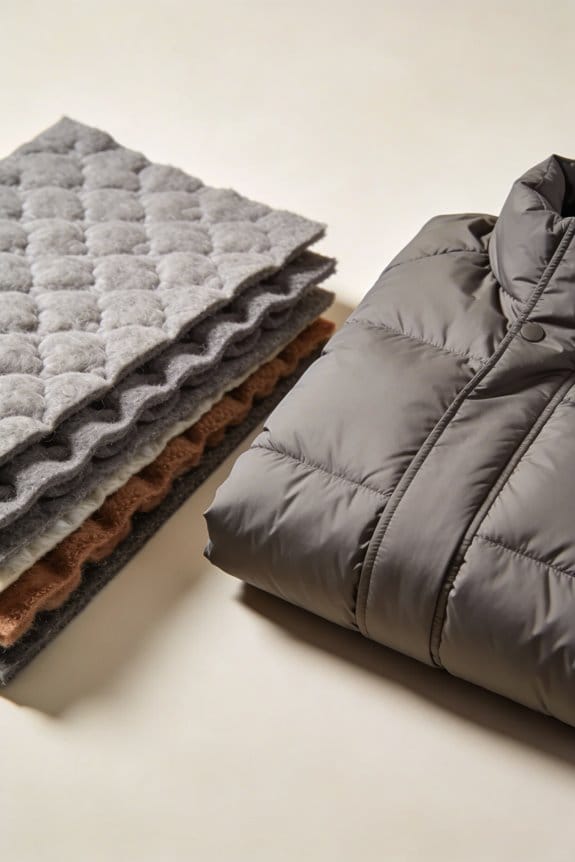
Layering can really change the way you handle cold weather. Instead of just throwing on a heavy coat, consider this: how often does that bulky coat trap moisture and make you feel chilly? By layering, you’re way better off when it comes to managing sweat. A solid base layer can wick away moisture, ensuring you stay warm and dry instead of ending up cold and uncomfortable.
Thin layers are perfect for trapping warm air, and they adapt as you move. Think about when you’re outside in the cold — too much bulk can restrict your movements and make you feel clumsy. That’s why going for a three-layer system — base, mid, and outer — can be a lifesaver. It gives you the flexibility to adjust based on how cold it is or how active you’re being.
When you layer effectively, you’re not just staying warm; you’re also better at regulating your temperature during physical activities. Nobody wants to overheat and feel sticky while trying to enjoy some fresh air. And let’s be real: moving around is so much easier in a well-thought-out layered look than in a single, heavy coat, which can often feel so restricting.
Here are a few tips to keep in mind:
- Start with a moisture-wicking base layer for comfort.
- Add a mid-layer that provides insulation without bulk.
- Top it off with a weather-resistant outer layer to shield against the elements.
Truth is, layering gives you the warmth and flexibility you need on those chilly days without the cumbersome feel of a heavy coat. Think about what you want to prioritize when braving the cold — comfort, movement, and temperature control all come into play. How do you layer up when facing the winter chill?
Pairing your insulating layers with a breathable, waterproof outer shell like waterproof rain pants ensures you stay dry and comfortable in wet conditions.
Recommended Products

Our regular fit is intended to help give you room to move without additional bulk


Classic Fit - A tailered cut inspired by sport ski style
Key Layering Mistakes That Compromise Warmth
Cold weather can really catch you off guard, right? Even when you think you’re ready for those chilly days, a few missteps in your layering choices can leave you feeling shivery.
Instead of depending on one heavy coat to keep you warm, think about how layering can be your best friend. Using multiple layers helps trap air in between, which means better insulation overall.
Here’s the trick: always start with a moisture-wicking base layer. It’ll keep sweat away from your skin, preventing that uncomfortable chill when things get a bit too steamy. For your mid-layers, focus on breathability; you don’t want to overheat while you’re out and about. And don’t forget your outer layer! It should be windproof and waterproof, or else cold air and moisture will find their way in.
And here’s a big one: your extremities often bear the brunt of the cold, so don’t skimp on layering for your hands, feet, and head. Those areas lose heat fast, so keeping them adequately covered is crucial. Honestly, in extreme cold, missing even one layer can really make a difference in how warm you feel.
To maximize comfort during outdoor activities, consider wearing shirts made from moisture-wicking fabrics that also dry quickly to keep you warm and dry under your layers.
Recommended Products

Multi-layer, multi-plate design for added comfort; Adjustable over-the-shoulder straps ensure a perfect fit; Flank panels foradd side impact protection
Multi-layer, multi-plate design for added comfort; Adjustable over-the-shoulder straps ensure a perfect fit; Flank panels foradd side impact protection

Material: stretch mesh
Choosing the Right Layers for Winter Activities
When you’re gearing up for winter activities, you know how crucial it is to pick the right layers. Ever found yourself freezing or drenched halfway through a ski run or snowy hike? It’s a real pain, so selecting the right gear can make all the difference.
Start with a moisture-wicking base layer. Synthetic blends or merino wool work wonders here, keeping your skin dry while trapping in just the right amount of warmth. Nobody wants to feel like a popsicle when they’re out enjoying the snow.
Next comes the mid layer—think breathable fleece. This is where you can really add some insulation without feeling weighed down. You can easily toss it on or off depending on how active you are. The flexibility is super important because no one wants to overheat when they’re out having fun.
Now, let’s talk outer layers. An effective shell is vital for keeping out the wind, rain, and snow. Look for features like sealed seams and ventilation zippers. Trust me, you’ll appreciate these details when the weather throws a tantrum.
So, why does this matter? It’s all about comfort and staying warm while you enjoy those winter activities. The right layers help you manage moisture and adjust to changing conditions without breaking a sweat. Selecting ski pants with at least a 3,000mm waterproof rating ensures you stay dry and comfortable throughout your adventure.
In short, gear up smartly, and you’ll be ready to embrace whatever winter throws at you. What’s your go-to layering strategy for cold weather adventures?
Recommended Products

Warm, dry and the best protection, especially in winter: Long-sleeved shirt made of pleasantly soft material without a pattern protects against cooling down even in cold weather and keeps you particularly warm

LIFA STAY WARM TECHNOLOGY combines breathable warmth with the unique moisture management properties of the versatile LIFA Merino crew that adapts to any type of cold weather
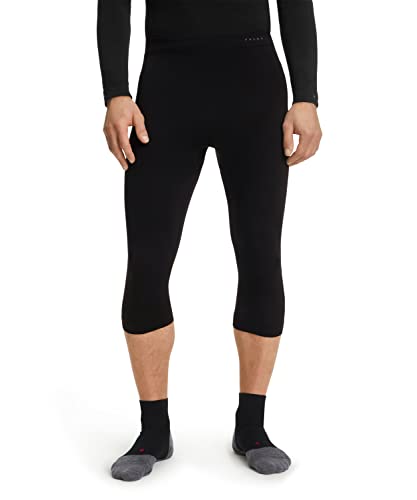
Versatile thermal short sports tights for men and boys, to wear by themselves with shorts on top or as a baselayer, in a soft breathable thermo-regulating merino wool blend offering an ideal protection in warm or cold temperatures; for summer or winter
Frequently Asked Questions
Why Would Wearing Several Layers of Clothing Keep You Warmer Than Wearing One Heavy Sweater?
Wearing several layers keeps us warmer because their unique layer properties create air pockets for better insulation efficiency. This enhances heat retention, moisture management, and flexibility, boosting comfort levels and temperature regulation against cold winds.
Why Two Layers of Cloth of Equal Thickness Provide Warmer Covering Than a Single Layer of Cloth of Double Thickness?
Two layers of cloth create more air pockets for thermal insulation, improving heat retention and energy efficiency. This layering technique enhances moisture control and temperature regulation by allowing better movement and breathability compared to a thicker single layer.
Would You Be Warmer With One Thick Jacket or Multiple Layers?
We’d definitely be warmer with multiple layers! They enhance thermal insulation, improve heat retention through air pockets, and utilize breathable fabrics for moisture management, making them perfect for outdoor activities in cold climates.
Why Wearing Two Thin Sweaters During Winter Keeps Us Warmer Than Wearing Just One Thick One?
Wearing two thin sweaters is like wrapping ourselves in a cozy cloud! Their thermal insulation traps air pockets, managing moisture and regulating body heat, enhancing insulation effectiveness for all our outdoor activities. It’s our ultimate wardrobe strategy.