As an Amazon Associate, we earn from qualifying purchases. Some links on this site are affiliate links at no extra cost to you. Our recommendations are based on thorough research and editorial judgment.

Understanding UPF Ratings: How Sun-Protective Clothing Works

Choosing sun-protective clothing can feel overwhelming, right? With all the options out there, it’s hard to know what really works. That’s where UPF ratings come in handy. UPF stands for Ultraviolet Protection Factor, and it tells you how well a fabric blocks those harmful UV rays.
For instance, a fabric with a UPF of 50 will block about 98% of UV radiation. Impressive, huh? You’ll want to look for UPF ratings of 30 or higher for solid protection. But here’s the trick: the best sun protection usually comes from tightly woven, synthetic fabrics that are often darker in color.
It’s also important to remember that how you care for these clothes matters. If you want them to keep their effectiveness over time, proper washing and drying is a must.
So, why does this matter? Well, sun exposure can lead to skin damage, and you want to do your best to protect yourself.
Let’s break down some tips for choosing the right UPF clothing:
- Look for tighter weaves in the fabric.
- Opt for darker colors—these tend to provide better protection.
- Consider the fabric type; synthetic materials generally offer better UPF ratings.
Honestly, it might take some trial and error, but finding the right UPF clothing can make a big difference in your outdoor activities. It’ll allow you to relax in the sun without worrying too much about those UV rays.
In a nutshell, keep an eye on those UPF ratings, care for your garments, and you’ll be set for fun in the sun. What are some outdoor activities you’d love to enjoy more while staying protected?
Key Takeaways
- UPF ratings indicate how effectively clothing blocks UV rays, with UPF 50 blocking about 98% of harmful radiation.
- Tightly woven and darker fabrics enhance UV protection, as they absorb more UV rays and minimize penetration.
- UPF clothing offers built-in protection, requiring no reapplication like sunscreen, making it convenient for outdoor activities.
- Regular care, including cool washing and avoiding bleach, helps maintain the fabric’s UV blocking capabilities over time.
- Individuals with fair skin, children, and outdoor enthusiasts should prioritize UPF-rated clothing for optimal sun protection.
Understanding the Importance of UPF Clothing in Sun Safety
When you think about sun safety, have you considered how much protection your clothing offers? Wearing UPF clothing is something that should definitely be on your radar. It’s specifically designed to block harmful UV rays, which can greatly reduce your risk of skin cancer. A UPF rating of 50+ can block 98% of those rays. Unlike sunscreen, you don’t have to worry about reapplying it every couple of hours.
For the best protection, try to reach for darker or tightly woven fabrics like denim and canvas. Regular clothes usually have a UPF of around 5, which means a lot of UV rays can still sneak through. If you have sensitive skin or plan to be outside for a long time, investing in sun-protective clothing is a smart choice. It not only helps prevent immediate skin damage, but also reduces the risk of long-term health issues.
So, why does this matter? Because choosing the right clothing can make a difference in your overall sun safety. Remember, mixing fashion with safety doesn’t have to be complicated. Consider making it a habit to check the UPF ratings of your clothes before you head outdoors. The best part is, you can look great while keeping your skin safe.
Additionally, selecting fabrics like polyester or nylon can provide better UV resistance than cotton, enhancing your sun protection significantly.
In short, prioritize UPF clothing to protect yourself in the sun. Have you checked the sun protection levels of your wardrobe lately?
What Do UPF Ratings Really Mean?
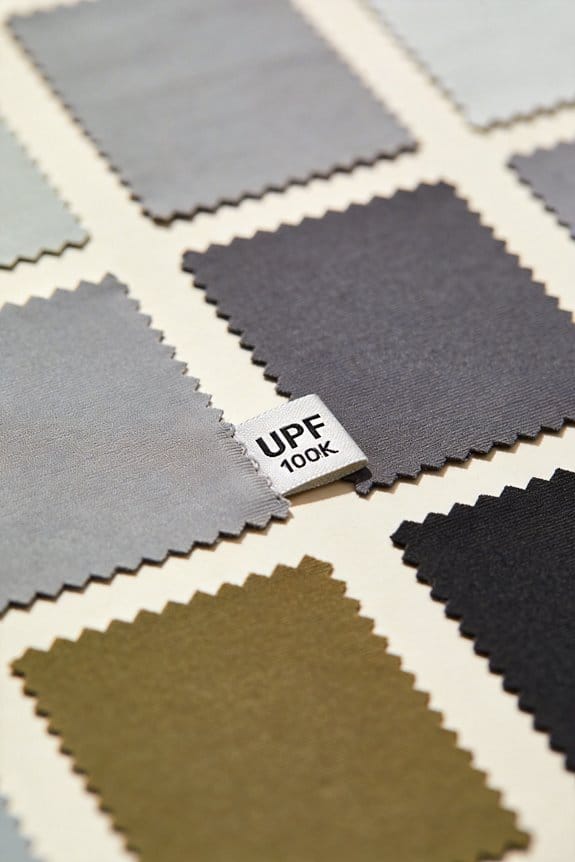
Understanding UPF ratings is key if you want to stay safe under the sun. Ever wondered how effective your clothing is at blocking UV rays? A UPF rating tells you just that. For instance, a fabric with a UPF of 30 lets in only about 3.3% of UV rays, while UPF 50 blocks a whopping 98%. Ratings between 15 and 20 offer solid protection, and if you can find anything in the 40-50+ range, that’s excellent.
So, why does this matter? Unlike SPF, which only covers UVB rays—those pesky ones that cause burns—UPF considers both UVA and UVB. That’s why it’s really important to check out what you’re wearing. The Skin Cancer Foundation has a Seal of Recommendation for garments that hit a UPF of 30 or higher. This seal helps you know that you’re putting on clothes that will actually protect you when you’re out and about.
Keep in mind that the fabric’s material plays a huge role, too. Tightly woven synthetic fabrics usually block more UV rays compared to loosely knitted natural fibers. So if you’re picking out sun gear, opt for those materials when possible.
The best part is, being sun savvy doesn’t have to be complicated. Just remember to look for that UPF rating on labels and think about what you’re wearing when you spend time outdoors.
Additionally, choosing clothing with water-resistant materials can help enhance overall protection in various weather conditions.
Want to lower your risks of skin cancer? Choose wisely when it comes to your sun protection. What tips do you have for staying safe in the sun?
How Does UPF Clothing Protect Your Skin?
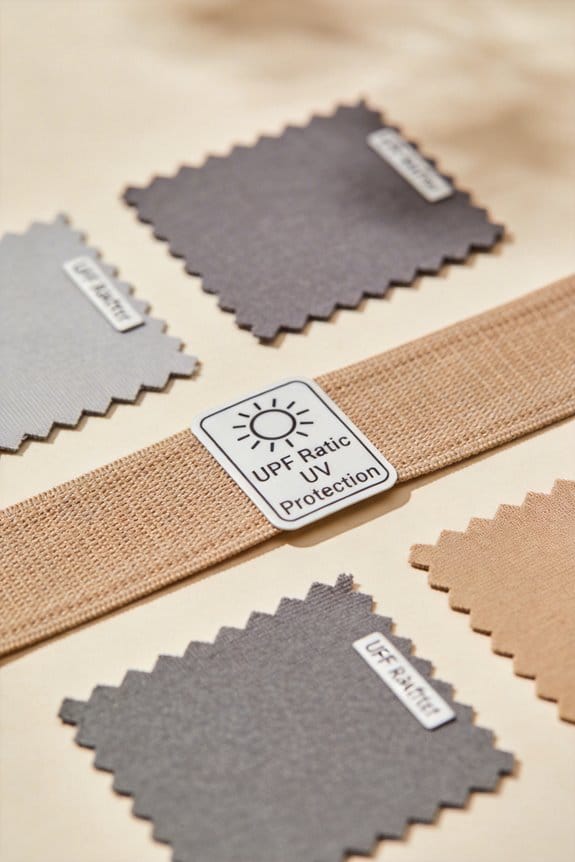
Are you tired of worrying about sunburn when you’re just trying to enjoy a day outdoors? UPF clothing could be the answer. These specially designed garments either absorb or block the harmful UV rays that can wreak havoc on your skin.
The UPF ratings tell you how effective a piece of clothing is; for example, a UPF 50 rating means it blocks around 98% of those damaging rays. That’s impressive—only 1 out of 50 rays gets through! You might wonder what to look for. Well, tightly woven and darker fabrics provide better protection than lighter or looser ones. So, next time you’re shopping, keep that in mind!
One great thing about UPF clothing is that, unlike sunscreen, you don’t have to reapply it. The sun protection stays effective for the life of the garment. This is a lifesaver, especially if you have sensitive skin or you’re more prone to skin issues from UV exposure.
Additionally, choosing UPF garments made from lightweight, breathable materials enhances comfort during outdoor activities and ensures you stay cool.
So, why does this matter? When you’re outside, the last thing you want is to be distracted by worrying about protecting your skin. With UPF clothing, you can focus more on having fun in the sun!
Recommended Products
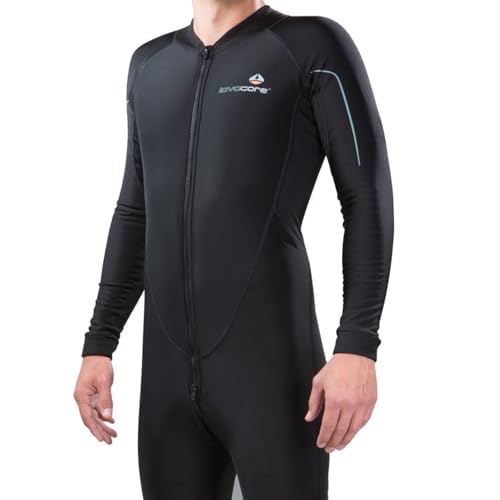
Windproof & Breathable Middle Layer – Provides protection from the wind while maintaining breathability for comfort.

ULTRASKIN TECHNOLOGY - Made with Mares' Ultraskin technology, this full-body undersuit combines three layers: an inner fleece layer for warmth, a windproof breathable membrane, and an outer elastic layer, ensuring superior comfort and a perfect fit

ULTIMATE COMFORT - The Equinox Guard Hoody with a YKK zippered chest pocket is a unique solution that utilizes mechanical properties to help prevent bites and permethrin built-in for the life of the garment; total weight: 6.5 oz
Factors That Affect the UV Protection of Clothing
Ever wonder just how much protection your clothing really provides against those pesky UV rays? You’re not alone. It’s easy to think that any old shirt will do when you’re out in the sun, but there’s a lot more to it.
First off, look for clothes with a UPF rating. This rating tells you how much UV radiation a garment can block. Higher numbers mean better protection. Materials matter too—tightly woven fabrics do a better job at blocking UV rays than those loose-knit materials. If you’re shopping for sun-safe gear, keep an eye out for synthetic fabrics like polyester or nylon. They generally offer better UV protection than good old cotton.
Don’t forget about color! Dark colors or bright shades actually absorb more UV radiation, which means they can give you an extra layer of protection. So, next time you’re picking out a beach outfit, go bold with those deeper shades.
Fit is another thing to consider. Loose-fitting clothes can protect you better since tight threads can stretch and reduce effectiveness. Trust me, you don’t want to wear something that might let the sun sneak in while you’re having fun.
Now, here’s a tip: your garment’s UPF rating can fade with time and wash cycles. To keep that protection going strong, check your clothes regularly and think about replacing them every couple of years if they see a lot of sun.
For active outdoor use, consider clothing with additional features like moisture-wicking and UV protection to enhance comfort and sun defense during physical activities.
Recommended Products
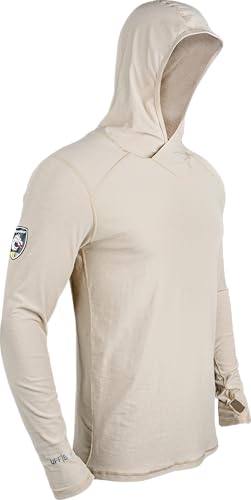
[Built-In Sun Protection] — UPF 50+ rated sun protection that blocks harmful UV rays and protects the skin from burns, heat rash, and keeps the wearer cool helping to prevent heat stress and job-related heat injury with added built-in hood that fits comfortably under a hard hat.

HIGH-QUALITY MATERIALS - The Beretta TKAD Flex Shirt is a men's performance field shirt made of 4-way stretch synthetic soft wrinkle-resistant fabric; It has hidden chest pockets

RELAXED FIT. This men's button down work shirt is made with a classic, relaxed fit. Your go-to for tough jobs, this long-sleeve shirt is great for wearing alone or layering with your favorite RIGGS WORKWEAR tee.
Choosing UPF Clothing for Your Outdoor Adventures
When you’re gearing up for outdoor adventures, picking the right clothing is so important — especially when it comes to dealing with UV rays. Have you ever thought about how much sun exposure you get while hiking or lounging at the beach? It’s a lot, which is why you want to go for UPF clothing with a rating of 30 or higher. If you can find options with a UPF 50+, that’s even better; they can block about 98% of those harmful UV rays.
While you’re shopping, consider the color and fabric of your clothes. Darker colors and tightly woven fabrics do a better job at blocking UV rays compared to lighter ones. Loose-fitting clothes? They’re not just comfy; they also help maintain that sun protection. If your clothes are too tight, they can stretch out, which reduces their effectiveness. So, always check those clothing labels for UPF ratings and look for ones endorsed by the Skin Cancer Foundation.
Here’s the trick: moisture-wicking fabrics can really help keep you cool and comfortable when you’re active under the sun. It’s all about balancing sun safety with comfort during those long days outdoors. Choosing lightweight and breathable materials can further enhance comfort while maintaining protection.
The best part is, considering these factors will keep you safe while you enjoy the great outdoors. So, what clothing strategies are you planning to use on your next adventure?
Recommended Products

PGA TOUR women's long sleeve golf shirt with self collar


Custom Work Shirts for men: This high visibility hoodie shirt for men can be customized starting from 1 piece,supporting the upload of text,logos,and images at no additional cost! Very suitable for customizing for your team,organization,and company!
Additional Advantages of UPF Clothing Beyond UV Protection
Are you worried about UV rays when you’re out enjoying the sun? Choosing the right UPF clothing goes beyond just protecting your skin; it offers a whole host of other benefits you might not have considered.
First off, the UPF rating shows how effective a fabric is at blocking UV rays, but that’s just the beginning. A lot of UPF fabrics come with moisture-wicking technology, which can be a lifesaver during those sweaty summer days. You want to stay dry while you’re hiking or playing sports, right? Some even feature cooling technologies like Omni-Freeze Zero™, which helps regulate your body temperature when the heat kicks in. Honestly, who doesn’t love staying cool while still looking good?
When you’re out and about, lightweight and breathable materials are key. UPF clothing is designed for various outdoor activities, making it super versatile. Whether you’re at the beach or hitting the trails, you can find something stylish that fits the bill. The best part is these clothes are durable, meaning their protection lasts through regular wear and tear. Many sun hoodies even come with stain-resistant treatments that help maintain their appearance despite exposure to elements like fish oils and dirt.
Common Myths About UPF Clothing Debunked
Ever wonder if that cute sun shirt really offers enough protection from UV rays? It’s a common misconception that all fabrics keep us safe from the sun, but that’s not the case. A typical cotton t-shirt has a low UPF rating of around 5, which means you’re still letting a lot of harmful UV rays in.
So, wearing a sun shirt doesn’t mean you can skip sunscreen on those exposed areas like your face or hands. Truth is, you’ve got to keep slathering on that SPF, no matter what you’re wearing. And when it comes to colors, don’t just grab a dark shirt thinking it’ll protect you better. Dark fabrics do absorb more UV rays than lighter ones, so pick wisely.
Now, you may have heard that UPF ratings are just a marketing gimmick. That couldn’t be further from the truth. A rating of 50+ actually blocks about 98% of UV radiation. That’s worth paying attention to if you want to spend more time outside without frying your skin!
One thing to remember is that good quality UPF clothing can maintain its protective qualities over time, unlike sunscreen, which you have to keep reapplying. So, if you really want to invest in your sun protection, go for those high-rated garments.
In the end, staying informed about UPF clothing is key to keeping safe in the sun. Many sun shirts also feature moisture-wicking technology to keep you comfortable while protecting your skin.
Are you ready to protect yourself while enjoying those sunny days?
Tips for Caring for UPF Clothing
Caring for UPF clothing properly is essential if you want to keep those sun protection benefits intact. So, what’s the best way to do it? Start by washing these garments in cold water with a mild detergent. It’s really important to skip bleach and fabric softeners, since they can actually harm the UV-blocking qualities of the fabric.
One thing you might not think about is regularly checking your clothing for wear and tear. The UPF ratings suggest that with the right care, you can expect those protective qualities to last around 2-3 years. That’s not too bad if you’re protecting your skin!
Try this: when it comes to drying, air-drying is your best bet. If you have to use a dryer, just set it to low heat to reduce potential damage to the fabric. Also, be sure to store your UPF clothing in a cool, dry place—keeping it away from direct sunlight can really help to prevent premature deterioration of its UV protection. For added protection, consider using lightweight, breathable materials specifically designed for sun safety.
Recommended Products

Did you know that harmful ultraviolet (UV) rays can actually penetrate clothing and leave you vulnerable to sun damage? Enter SunGuard - an easy-to-use laundry aid that washes UV protection right into clothes

Brim Size: Front: 2 1/2”, Back: 2”, Sides: 2 1/4"
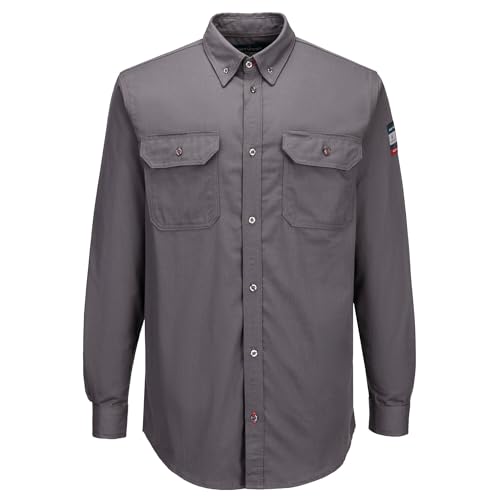
DESIGN: This stylish shirt is lightweight and comfortable, it offers maximum protection and is guaranteed with permanent flame resistance and ARC2 protection against electric arc. The shirt tail will stay tucked in during movement and all day wear.
Who Should Wear UPF Clothing for Sun Protection?
Who needs to wear UPF clothing to stay safe from the sun? It’s a valid question, especially as summer rolls around and outdoor plans ramp up. The reality is, everyone can benefit from UPF clothing – but some folks really need to pay attention.
Let’s break it down a bit. If you have kids, you know how easily they can burn. Investing in UPF clothing for them means less worrying about sunburn and skin damage. Adults with fair or sensitive skin, those prone to sunburn, and anyone on medications that make their skin more sensitive to sunlight should really consider making this clothing part of their regular wardrobe.
Living in a high UV area is another big reason to look into UPF options. Whether you’re at a higher altitude or near the equator, the sun’s rays are more intense, and you’ll want to shield yourself effectively. Outdoor enthusiasts like hikers, cyclists, and beach lovers should consider UPF clothing a must-have for those extended sun-filled days.
Here’s the trick: pair your UPF clothing with sunscreen on any exposed skin, like your face and hands. This combo will offer you the best protection against harmful UV rays. Honestly, taking these simple steps can make a huge difference in your skin health long-term.
Choosing clothing made from tightly woven fabrics can enhance UV protection, blocking more harmful rays effectively.
Recommended Products

COOLING TECHNOLOGY: HydroActive Instant Cooling Technology activates in 3 easy steps – wet thoroughly with water, wring it out, and snap (repeat to reactivate)

Cooling Technology: MAGID Cool Powered by Mission activates in under 60 seconds, cooling up to 30°F below body temperature for up to 2 hours with just water

Block the Burn: UPF 50+ protection blocks up to 98% of the sun's harmful rays
Making the Most of Your UPF Clothing Choices
Choosing the right UPF clothing can be a real challenge, right? With so many options out there, it’s easy to feel overwhelmed. You don’t just want to look good; you want to make sure you’re well protected from the sun too. Here are some straightforward tips that can really help boost your sun protection.
First off, keep an eye out for UPF ratings—aim for 50+. These fabrics block about 98% of those harmful UV rays. That’s a solid shield against sun damage. And here’s a little trick: darker or brighter colors absorb more UV rays, so they tend to offer better protection compared to lighter shades.
Now, consider the fabric type. Tightly woven materials like denim and canvas do a much better job at keeping UV light out than sheer fabrics. Honestly, it’s worth checking how dense the weave is before you buy.
You should also know that UPF clothing doesn’t last forever. Over time, its effectiveness can wear off, typically within 2-3 years. So, don’t forget to keep tabs on your favorite sun gear and refresh it when needed.
When you’re heading outdoors, think about pairing your UPF clothing with some solid accessories. A wide-brimmed hat can be a lifesaver, and UV-filtering sunglasses are a must-have to protect your eyes.
Additionally, choosing UPF clothing made from lightweight and breathable fabrics can enhance comfort while providing effective sun protection.
Truth is, putting together a good sun-safety wardrobe isn’t that hard. With these choices, you can maximize your UV protection so you can enjoy the great outdoors without worry. What will you add to your sun-safe style?
Frequently Asked Questions
Can UPF Clothing Be Effective When Wet?
Yes, UPF clothing can still be effective when wet, though water absorption and fabric thickness influence protection. We should consider drying effects and performance comparison to guarantee ideal sun exposure during our outdoor activities.
Is There a Difference Between UPF and SPF?
There’s a key difference: UPF standards explain how clothing protects against UV rays, while SPF measures sunscreen effectiveness. Recognizing SPF limitations discussed helps us choose UPF clothing for better sun safety in our daily lives.
How Long Does the UPF Rating Last?
UPF ratings can last forever in our imagination, but in reality, they’re influenced by fabric composition, washing frequency, exposure duration, and manufacturer guidelines. Let’s check those labels to keep our sun protection game strong!
Are Darker Colors Better for UV Protection?
Yes, darker colors generally offer better UV absorption, which can enhance skin health. By selecting clothing materials in deeper hues, we proactively minimize tanning effects and protect ourselves from harmful ultraviolet radiation while enjoying the sun.
Can I Wash UPF Clothing Without Losing Protection?
Washing wisely guarantees our UPF clothing remains protective! We should choose gentle detergent, utilize delicate washing techniques, and air dry for ideal fabric preservation. Following these maintenance tips keeps our sun gear strong and stylish.